
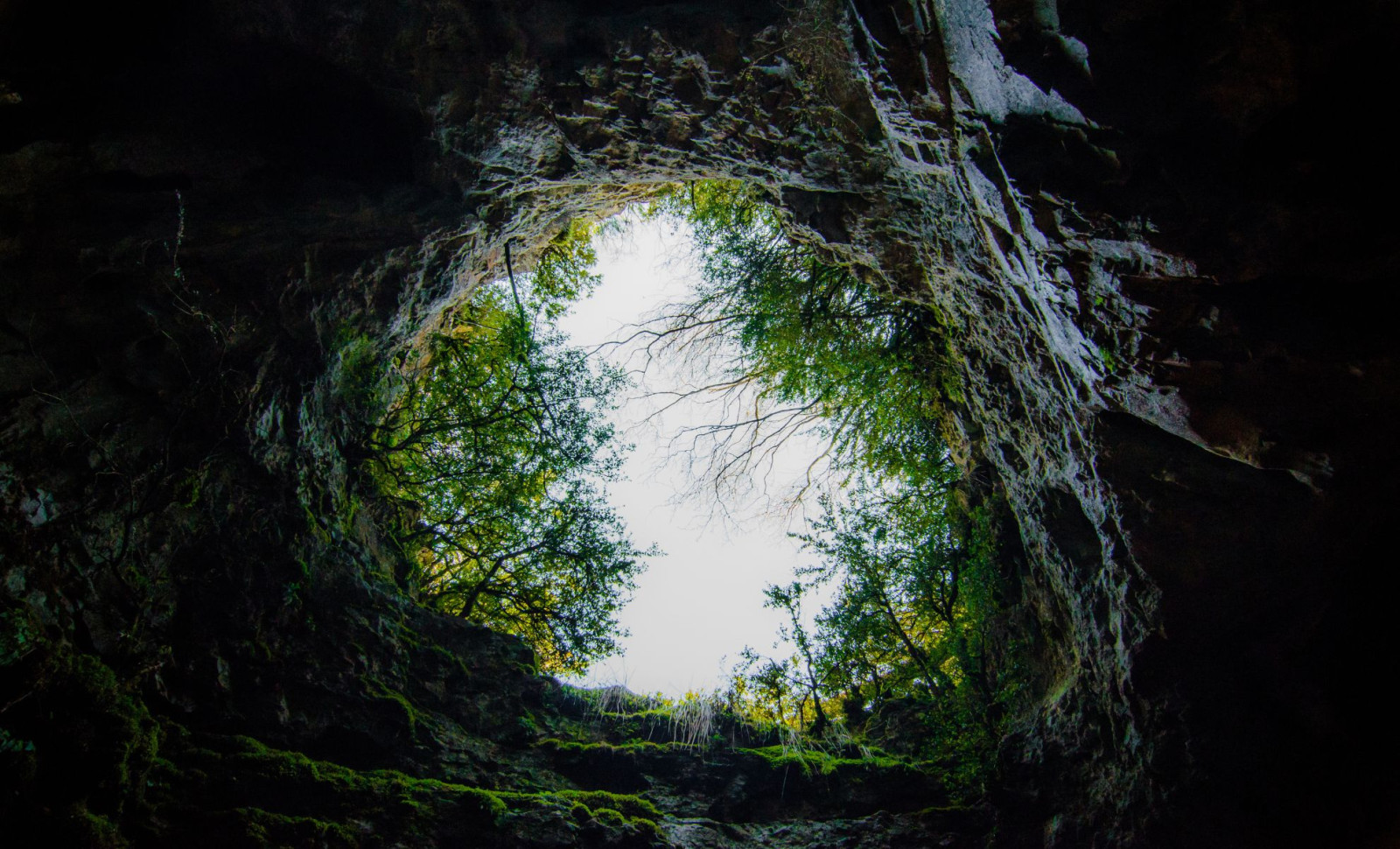
Located over 7,300 feet (2,235 meters) up in the Freser Valley of the eastern Pyrenees, Cave 338 is shedding new light on prehistoric life in unexpectedly rich detail. This isolated mountain cave is proving to be far more archaeologically important than previously thought.
Findings indicate that ancient populations repeatedly visited this location over extended periods, rather than using it sporadically.
For years, archaeologists viewed high mountainous zones as marginal to prehistoric activity. However, the most recent research published in Frontiers in Environmental Archaeology highlights continuous human presence, suggesting these elevated environments held special importance.

Prolonged Human Presence Over Millennia
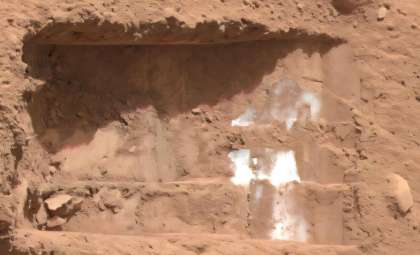
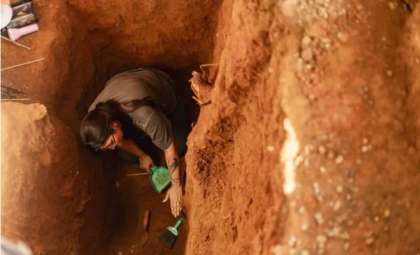
Excavations focused on a six-square-meter section near the cave’s entrance revealed four layers of occupation. The earliest dates back roughly 6,000 years ago, confirmed through charcoal samples. In contrast, the shallow uppermost layer contained just a few artifacts from historical times, pointing to minimal recent use.
The bulk of artifacts originated from the second and third strata. Here, researchers found numerous hearths alongside dense deposits of remains. Lead author Carlos Tornero of the Catalan Institute of Human Paleoecology and Social Evolution explained:
“We found a really rich archaeological sequence, including multiple combustion structures and a very large number of green mineral fragments. We can’t say exactly how long people stayed each time, but the repeated use of the space and the density of remains suggest occupations that were short to medium in duration, but happening again and again over long periods of time.”
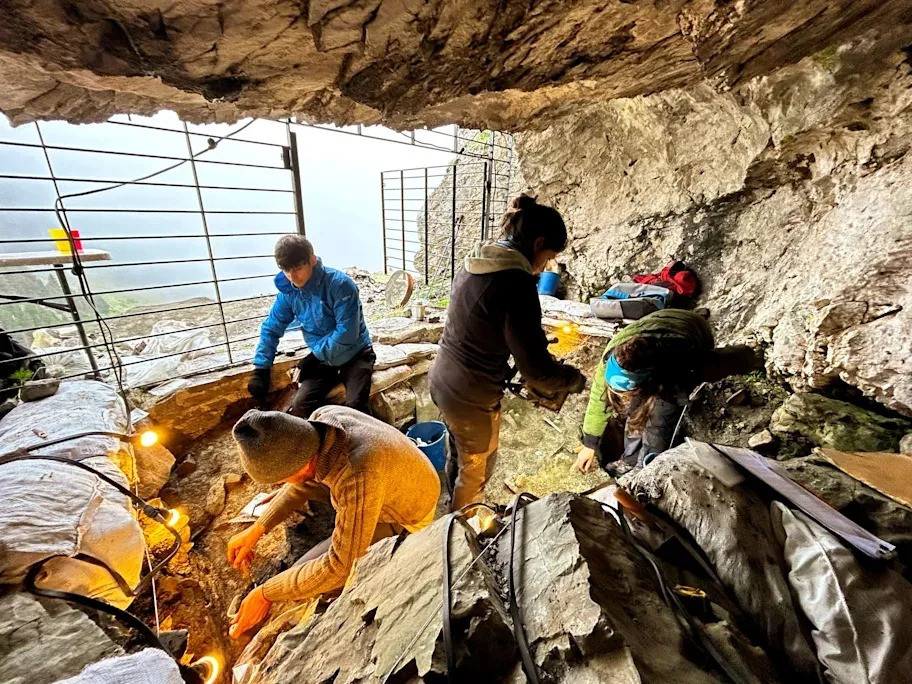
The pattern formed by overlapping hearths supports this scenario. As described in the Frontiers in Environmental Archaeology article, each hearth is still distinct despite some overlap, hinting that visits took place over time rather than continuously.
Radiocarbon dating reveals a hearth in the second layer to be around 3,000 years old, while others in the third span roughly 5,500 to 4,000 years ago.
The Mystery of the Green Mineral Fragments
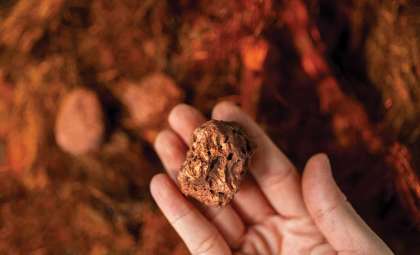
One of the most remarkable discoveries are 23 hearths containing numerous crushed and charred green mineral pieces. Initial studies suggest these could be malachite, a copper-containing mineral that can be processed for metal extraction. However, researchers are still confirming the mineral’s identity through ongoing laboratory work.
“Many of these fragments are thermally altered, while other materials in the cave are not, which clearly suggests that fire played an important role in their processing and that there was a deliberate intention behind it,” as Dr. Julia Montes-Landa of the University of Granada, co-author, explained. “In other words, they weren’t burned by accident.”
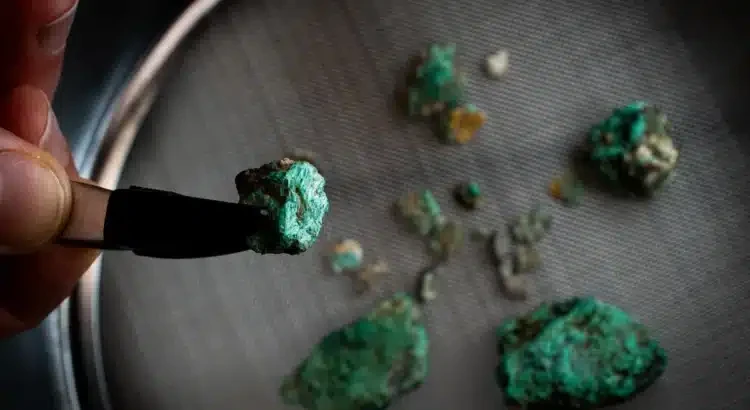
Should malachite presence be confirmed, this site could offer crucial insight into early copper-related technology practiced in high-altitude settings.
Ancient Human Remains and Personal Adornments
Human remains found within the third occupational layer include a finger bone and a baby tooth from an approximately 11-year-old child. It remains uncertain if these bones belong to the same individual or the circumstances surrounding their death. Nonetheless, this raises the possibility that the cave served as a burial location.
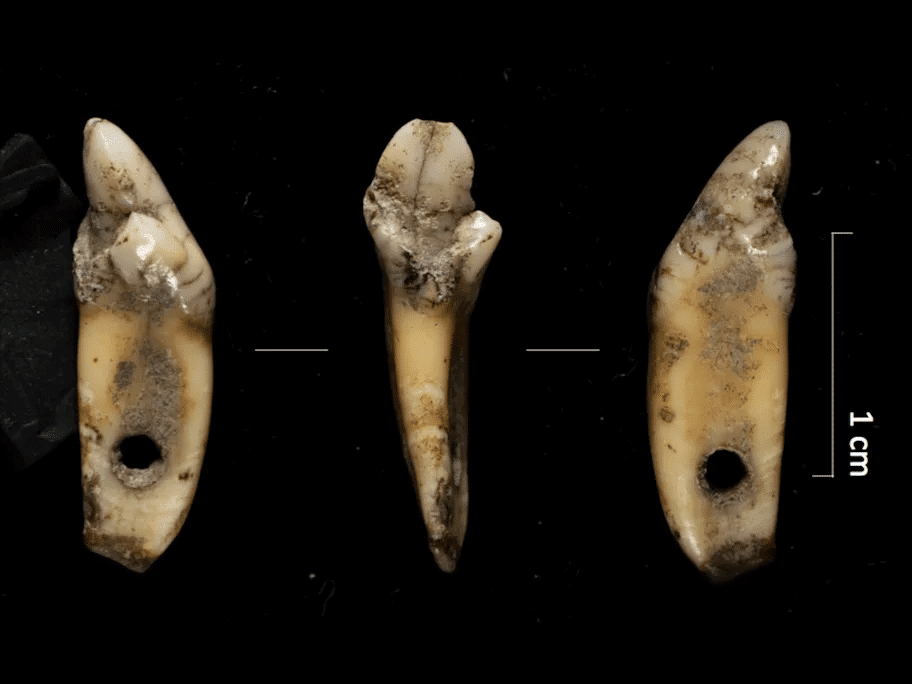
Among the artifacts recovered were two prehistoric pendants, likely from the second millennium BC. One is fashioned from a shell, while the other is crafted from a brown bear tooth.
“They come from prehistoric contexts, most likely around the second millennium BC. The shell pendant is interesting because it has parallels in other sites in Catalonia, which suggests shared traditions or connections between different communities. The bear tooth pendant is much less common. That might point to something more specific or symbolic, possibly linked to the local environment,” Tornero noted.
- Categories:
- News






0 comments
Sign in to Comment