
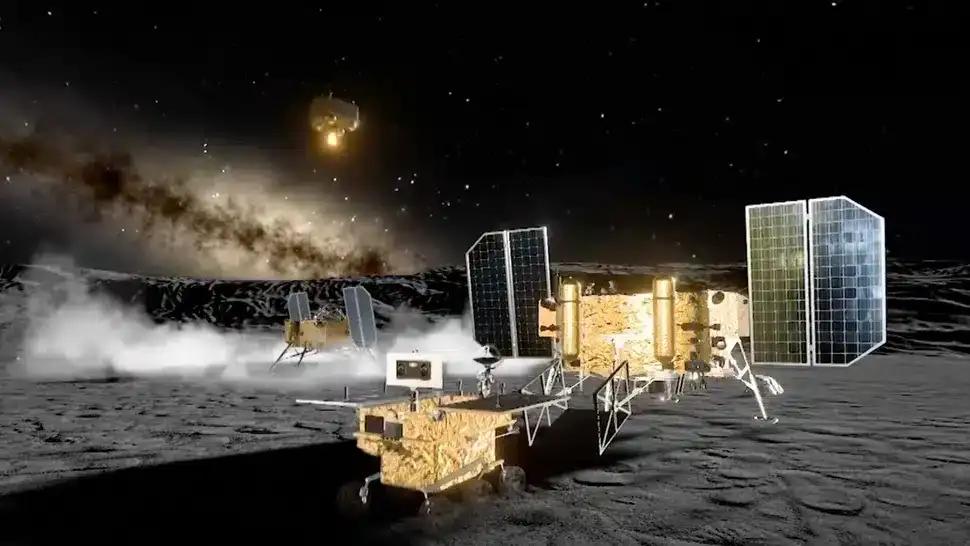
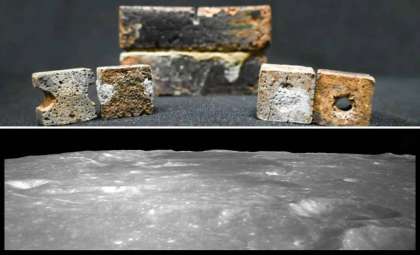
China is gearing up for a groundbreaking mission that could revolutionize construction beyond Earth. According to a report by Space.com, the Chang’e 8 expedition, set for 2028, plans to test the creation of 3D-printed bricks crafted from lunar dust. This innovation aims to significantly reduce the need for transporting building materials from Earth. This endeavor marks a pivotal move in China’s strategy to establish a lasting lunar presence and showcases advancements in in-situ resource utilization (ISRU).
Using Solar Power to Manufacture Moon Bricks
The mission centers on a cutting-edge instrument developed by the Chinese Lunar Exploration Program that can convert lunar regolith into construction bricks. “We have engineered the world’s first apparatus that fabricates bricks from moon soil. This system captures solar energy, channels it through fiber optics, and directs it onto the lunar surface,” said Wu Weiren, chief designer, during an interview with China Central Television (CCTV).
By focusing sunlight, the device reaches temperatures of about 1,400 to 1,500 degrees Celsius (2,552 to 2,732°F), enough to melt the lunar soil. Wu explained, “Concentrating sunlight to these extremes allows us to melt the regolith, and our 3D printing technology then shapes the molten material into bricks of various sizes.”

Eliminating Dependence on Earth Supplies
An especially transformative feature of this technology is its self-reliance on lunar resources. “This technique enables the use of material found directly on the moon, removing the need to transport water and construction materials from Earth,” Wu emphasized. This could dramatically cut costs and simplify logistics for upcoming lunar missions by avoiding heavy Earth launches.
The project also supports China’s vision for an International Lunar Research Station, intended to be a permanent facility near the moon’s south pole. This site offers strategic value due to the likely presence of water ice in shadowed craters, which previous missions have targeted.
Testing Lunar Construction Materials in Space
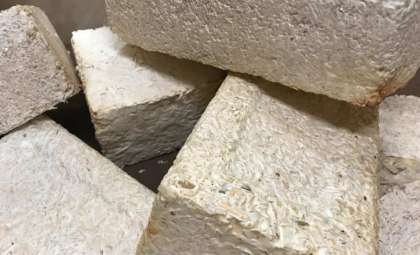
In preparation for the mission, China has already produced prototype bricks using simulated lunar soil to replicate moon dust. These samples have been undergoing a three-year durability study aboard the Tiangong space station, exposing them to space’s harsh radiation, drastic temperature changes, and vacuum. The findings will assess the materials' ability to endure the actual lunar environment.
Pathway to a Permanent Moon Base
Before Chang’e 8 launches, China will send Chang’e 7 in 2026 to conduct reconnaissance of the lunar south pole and search for water ice deposits. This precursor mission includes instruments and a hopping rover designed to explore permanently shadowed craters likely containing frozen water. Data gathered will guide the selection and construction techniques for future bases, potentially made with 3D-printed lunar bricks.
With ambitions to send astronauts to the moon before 2030, China is steadily advancing its lunar exploration, building its foothold with solar-powered, 3D-printed bricks.
- Categories:
- News





0 comments
Sign in to Comment