
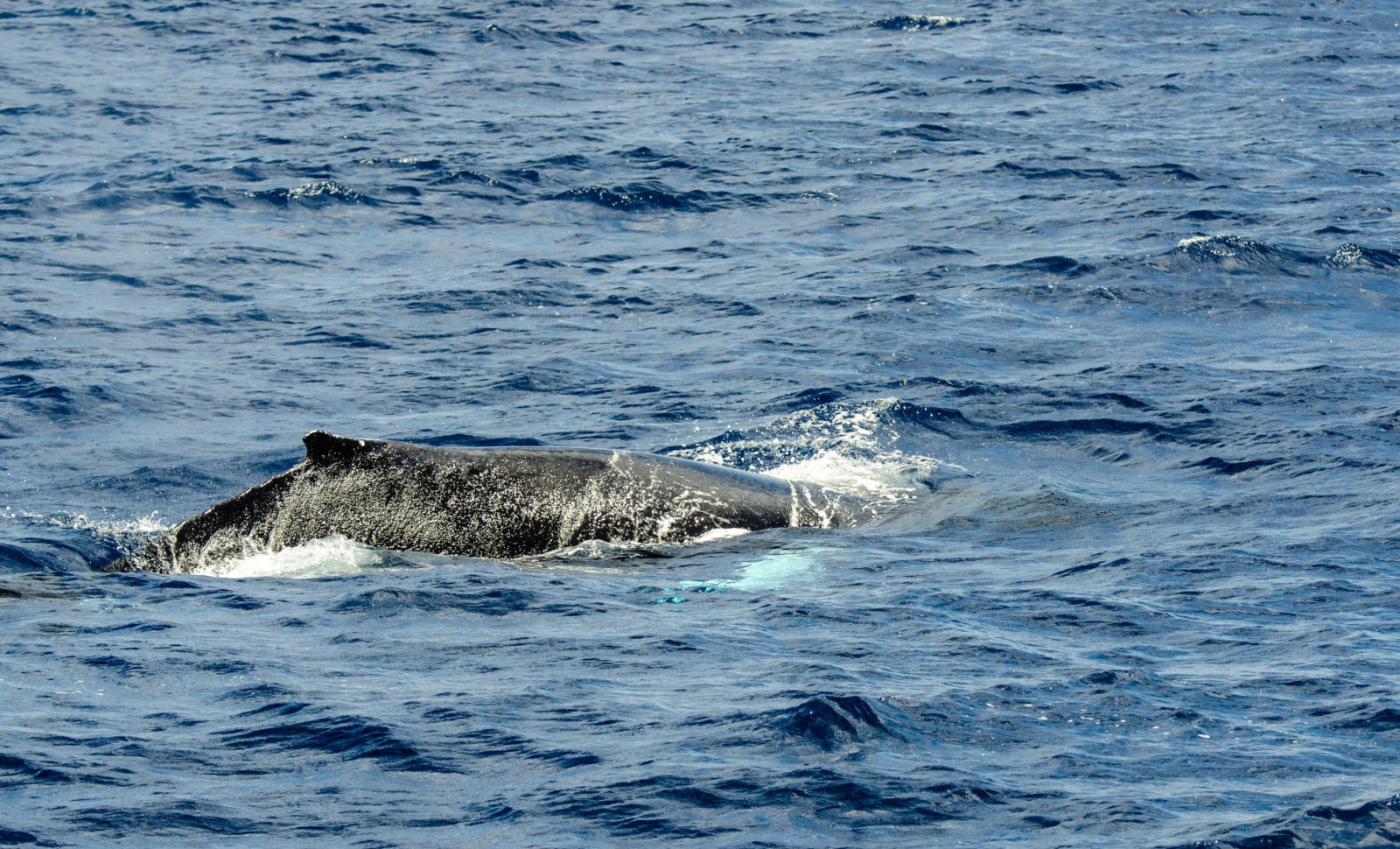
Marine specialists and photographers are abuzz after an unusual sighting of two species of deep-sea dolphins just off the shoreline of Port Macquarie. During a birdwatching trip, observers witnessed these typically offshore dolphins swimming remarkably close to land, offering a rare chance for study and stunning images.
Usually residing far from coastal waters in the deep ocean, these dolphins rarely make appearances near the shore. This recent observation has generated significant interest within the marine biology community.
An Unexpected Marine Encounter
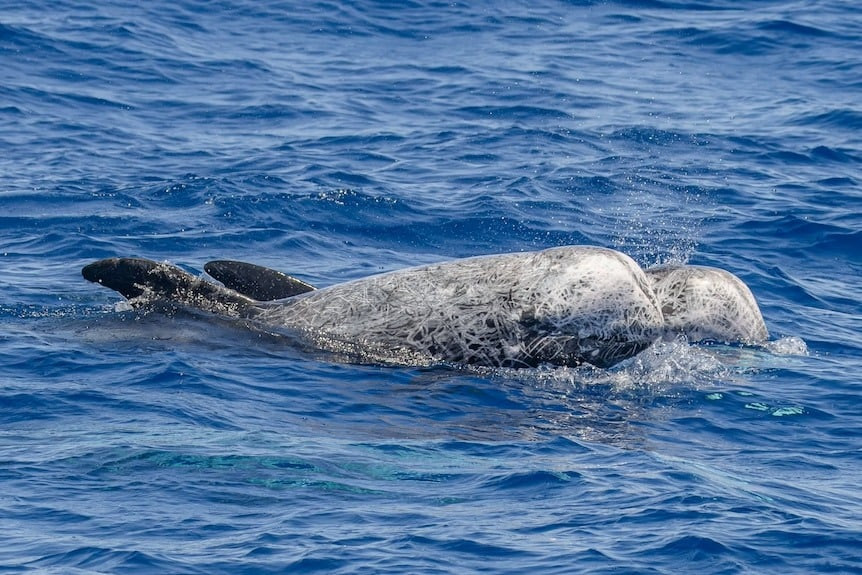
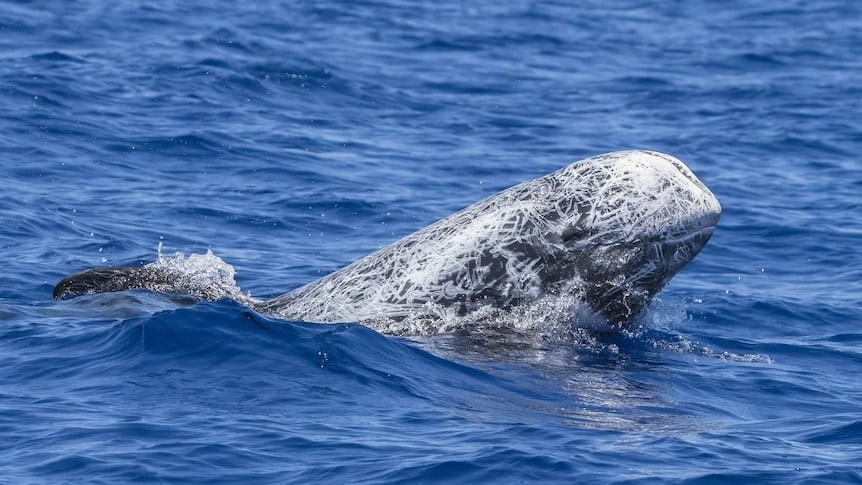
Jodie Lowe, an experienced ocean photographer, came across not one but two groups of Risso’s dolphins while on a pelagic birdwatching expedition in late January. Recognizable by their large, bulbous heads and unique pale markings, these dolphins stand apart from the common bottlenose variety, and Lowe promptly identified them.

“I’ve never seen Risso’s dolphins during a whale-watching tour, simply because they’re deep-ocean dolphins,” she said. “They don’t usually come this close to shore.”
ABC News reports Lowe was amazed by this rare coastal presence of deep-sea dolphins. Adding to the spectacle, spotted alongside them were smaller pantropical spotted dolphins, known for their distinctive spots that intensify with age.
Exploring Deep Ocean Residents
Risso’s dolphins are distinct deep-water inhabitants. They can reach lengths of up to 4 meters and weigh as much as 500 kilograms. Their dark grey skin covered with striking white scar patterns results from social behaviors such as tooth raking during dominance displays, making them easily identifiable.
“They have quite a lot of scarring from social interactions and conflicts with others in their species,” Lowe explained, comparing their markings to the lines of a scribbly gum tree.
Pantropical spotted dolphins contrast in size, growing to about 2.6 meters long and weighing roughly 120 kilograms. More slender, their spotted patterns develop more prominently as they age.
Both species are inhabitants of deep marine environments, commonly residing beyond the continental shelf, approximately 25 kilometers offshore near Port Macquarie. This region usually supports coastal species, whereas these dolphins prefer the rarely explored deeper waters, adding to the mystery of their habits.
Advancing Marine Science Through Rare Encounters
The images taken by Lowe and other photographers during the excursion will be preserved for marine research purposes. According to Macquarie University wildlife specialist Vanessa Pirotta, these observations are vital for expanding scientific understanding.
“We don’t have much information about these species in Australian waters, so any sighting is a win for the science world,” she said. “These photographs provide important insight into the diversity of marine life in our waters.”
Dolphin Social Behavior Revealed by Uncommon Sighting
Though infrequent, such sightings enrich scientific knowledge about the range and conduct of these species. Pirotta highlighted that reports from the general public and wildlife photographers contribute significantly to marine research.
“Social media reports and public sightings are invaluable in expanding our knowledge,” she said. “It all adds to the puzzle.”
The observations further reveal fascinating aspects of dolphin social life, particularly in Risso’s dolphins. Their body scars, often misinterpreted as aggression marks, actually stem from social interactions where males compete for dominance, forming distinctive scar patterns.
“These animals are very family-based and can live in pods of up to 100 or more,” Pirotta explained. The scars are just part of their social structure, not a sign of hostility.
- Categories:
- News










0 comments
Sign in to Comment