
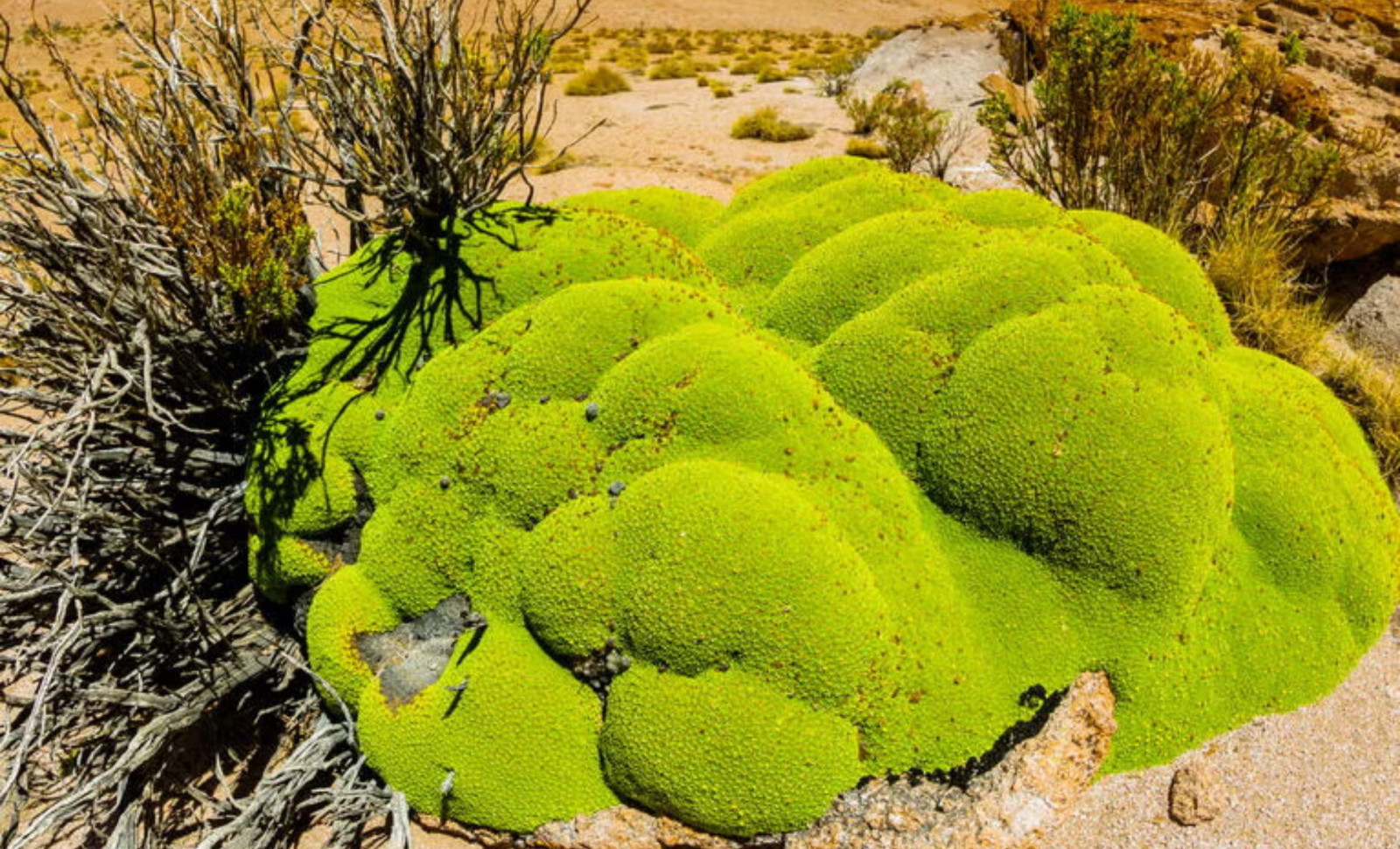
Mosses have traditionally been considered solitary survivors in the plant realm, thriving without the fungal alliances common among most land plants. However, a recent investigation has uncovered fungi residing within moss cells, revealing a previously unknown type of symbiosis.
For many years, scientists believed mosses stood apart from typical plant-fungal partnerships. Over 85% of terrestrial plants engage in fungal relationships to exchange sugars for vital soil nutrients, but mosses, lacking roots and being diminutive, were thought to be exceptions.
This belief is now being challenged. Published in New Phytologist, new research has detected fungal DNA inside moss tissues and observed fungal growth within moss cells. This finding indicates mosses may have a deeper connection with fungi than was recognized before.

Desert Mosses Provide the Key
The investigation originated with Kian Kelly, a PhD candidate at the University of California, Riverside, who focused on biological soil crusts—complex communities of fungi, bacteria, algae, mosses, and tiny creatures sharing the ground.
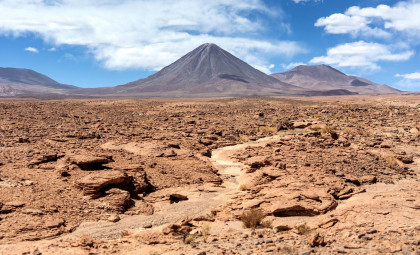
Kelly conducted research in the Mojave and Sonoran deserts, where temperatures soar beyond 100°F. While comparing mosses across environments, he questioned whether the fungi associated with them varied regionally.
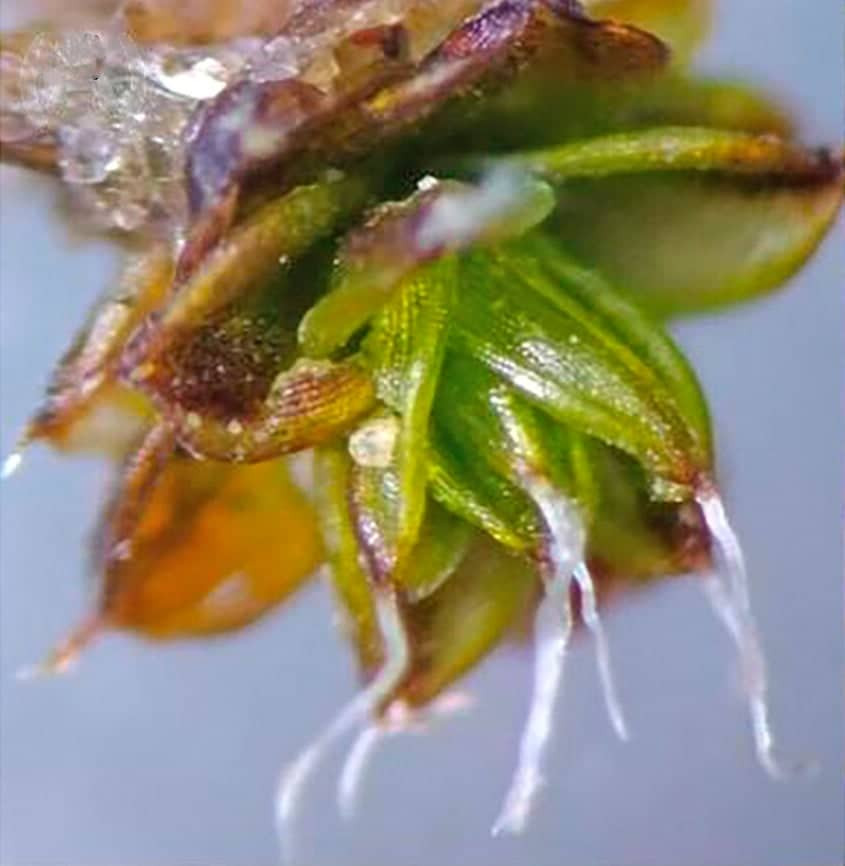
As detailed in New Phytologist, DNA analysis in the lab uncovered fungi within moss samples from desert and temperate zones. Notably, mycorrhizal fungi, which are typically dependent on plant hosts, were identified inside the mosses, surprising the team.
Fungi From Mosses Differ From Soil Microbes
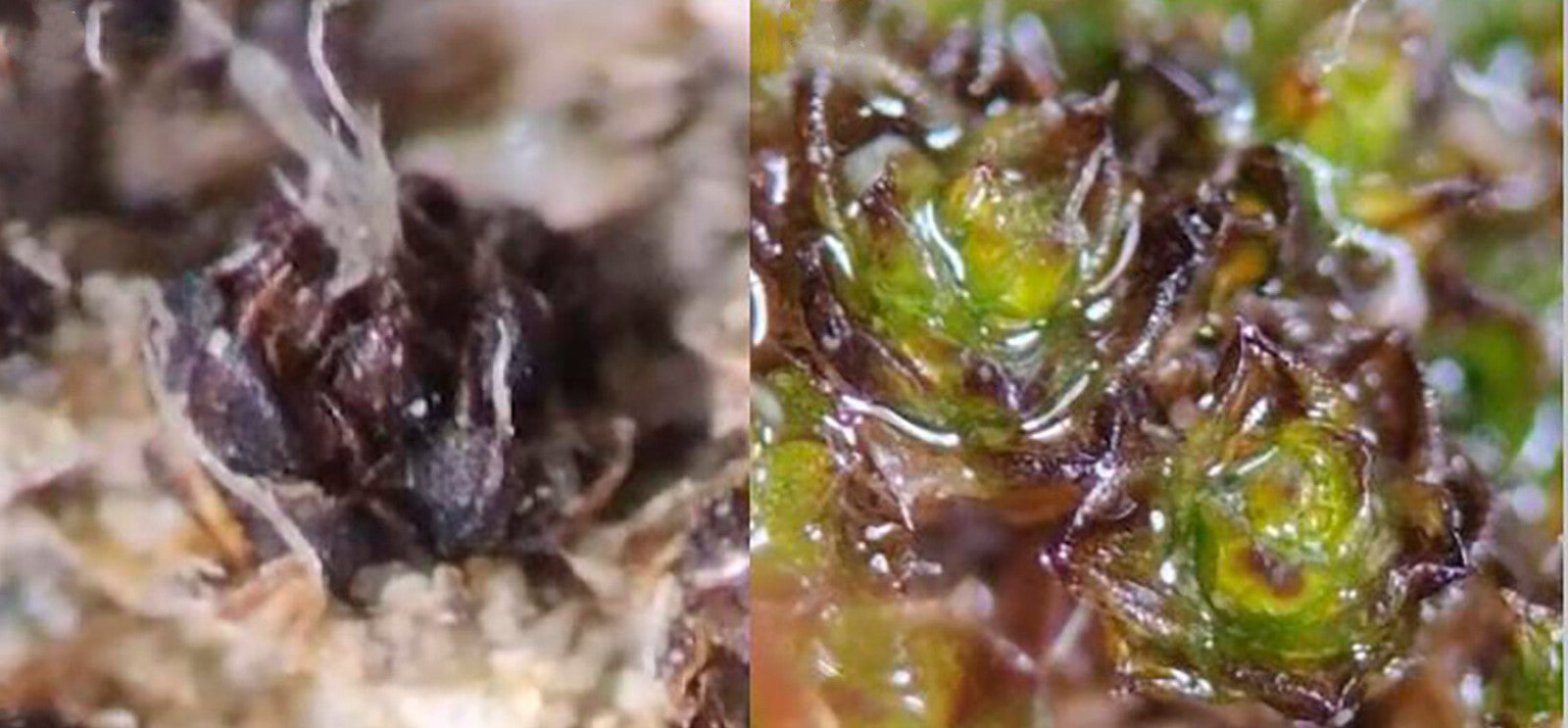
A striking result emerged when comparing fungi within mosses to those in the adjacent soils. The fungal species inside the mosses were distinct from the surrounding soil fungi, indicating a deliberate association rather than accidental presence.
Furthermore, mosses from arid deserts hosted different fungal types than mosses from more temperate habitats. This suggests certain fungi might be especially adapted to surviving under specific environmental conditions.
“We suspect that certain fungi are more helpful for surviving hotter, drier climates,” Kelly said in a statement published in University of California, Riverside.
This evidence disputes the notion that mosses exist wholly independently, instead highlighting a selective relationship with fungi.
Microscopy Reveals Fungi Hidden Within Moss Cells
To pinpoint the fungi’s location, Kelly applied a blue stain that marks fungal structures in moss tissue. Under microscopic observation, branching formations emerged inside moss cells.
“As soon as I saw that, I knew we had something really interesting,” he added.
Scientists noted these formations resembled arbuscules, the intricate, tree-like structures found in plant roots that facilitate nutrient exchange with fungi. Since mosses lack roots, these structures appeared within their leaves instead.
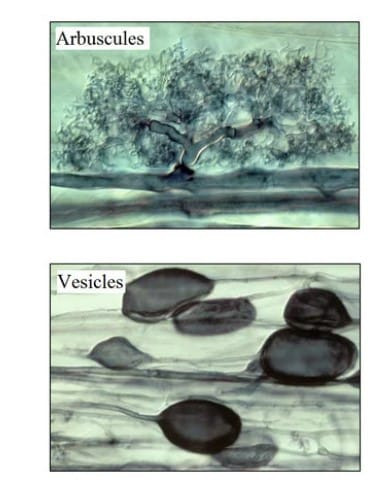
The structures differed somewhat from typical root-based ones, underscoring the uniqueness of this symbiosis. The accompanying press release from the study suggests these fungi might help mosses share nutrients, though further investigation is required to clarify this interaction.
Overall, this research implies that one of Earth's earliest terrestrial plants may have depended on fungal partnerships more than previously acknowledged.
- Categories:
- Science







0 comments
Sign in to Comment