

Researchers exploring the soil beneath one of the planet’s oldest tree species have revealed a remarkably diverse underground habitat. The earth surrounding Chile’s ancient alerce trees harbors hundreds of fungal species that play a vital role in sustaining these forests.
These magnificent trees, known as alerce (Fitzroya cupressoides), thrive in the temperate rainforests of southern Chile. They stand out for their towering size and extraordinary longevity, with some individuals surviving for over 3,600 years, ranking them as the second-longest living trees globally after the bristlecone pine.
An Intricate Symbiosis Below Ground
The focus of recent research has been the interaction between the alerce and mycorrhizal fungi, microscopic organisms intimately linked with tree roots. These fungi assist in extracting water and nutrients from the soil, directly supplying the trees with essential resources.

In exchange, the fungi receive carbohydrates produced by the trees' photosynthesis. Published in Biodiversity and Conservation, the study highlights how these underground fungal networks expand through the soil, sequester carbon, and aid plants in managing environmental stressors like drought and diseases.
This hidden relationship often goes unnoticed due to its subterranean nature. However, the Chilean team was astonished by the remarkable variety of fungi thriving in connection with these venerable trees.
Hundreds of Fungal Species Linked to a Single Ancient Tree
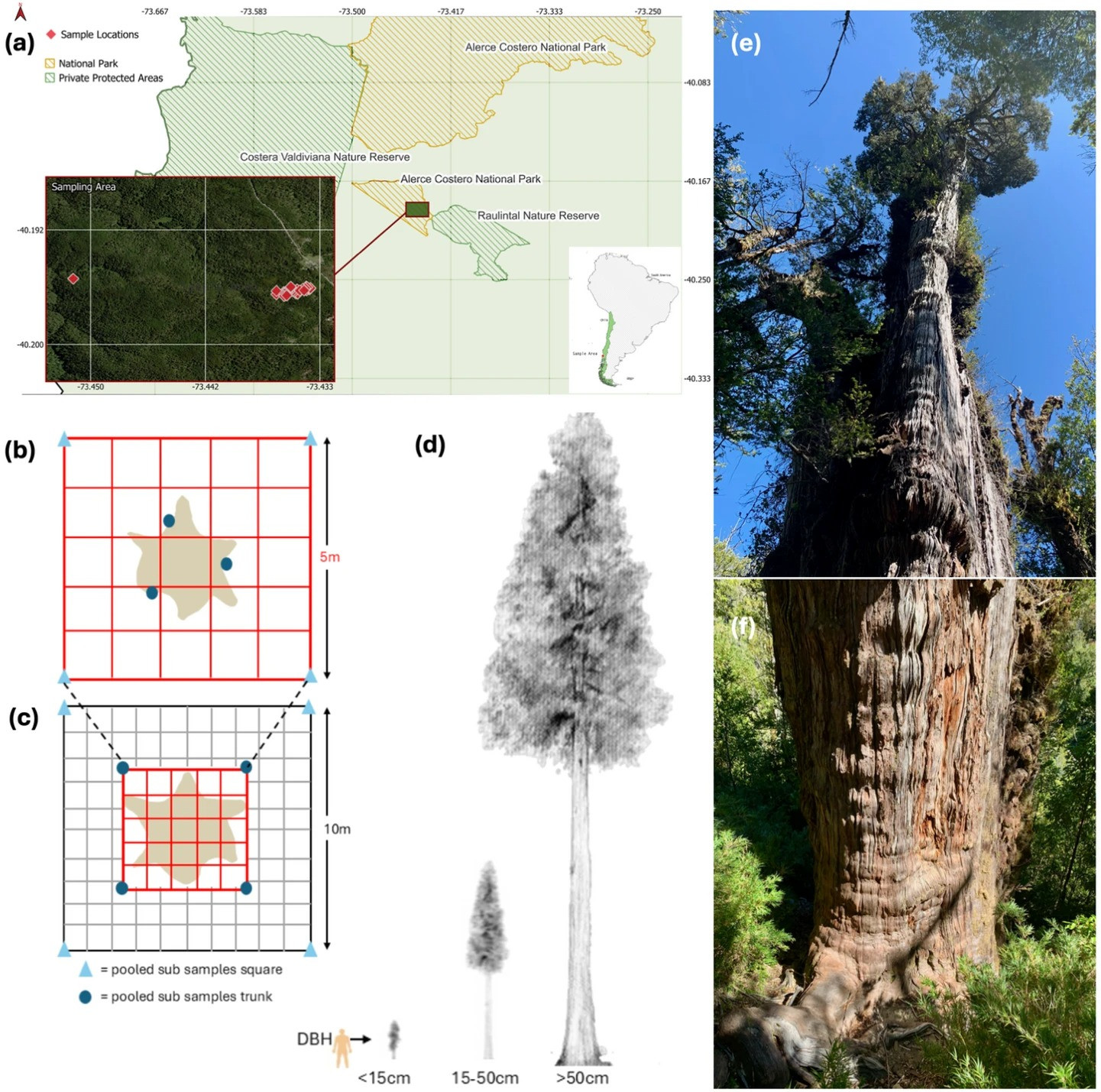
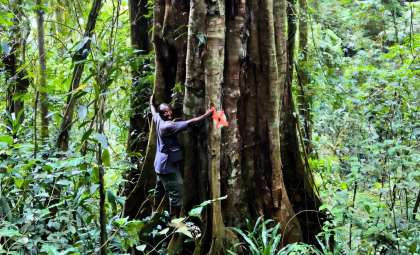
Investigators gathered soil samples from the base of 31 different alerce trees, documenting each tree’s dimensions. The findings revealed a striking correlation: larger and older trees supported a richer diversity of fungi around their roots.
The most exceptional discovery was beneath a renowned alerce known as Alerce Abuelo, estimated to be roughly 2,400 years old. Scientists identified over 300 fungal species unique to this soil sample that did not appear near the other trees.
Even more impressive, the number of fungal species beneath Alerce Abuelo was more than double that seen in any other tested sites. Adriana Correlaes from the Society for the Protection of Underground Networks (SPUN) noted that such fungal diversity enhances ecosystem resilience in challenging conditions.
Millennial Trees as Pillars of Biodiversity
These findings underscore how particular species have outsized ecological importance. The oldest alerce trees appear to anchor complex, centuries-old fungal communities below the forest floor. As Camille Truong from the University of Melbourne commented:
“Not all trees are the same and if you remove a millennial tree, the impact on all the other species is going to be bigger than if you remove a smaller one.”
- Categories:
- Science




0 comments
Sign in to Comment