
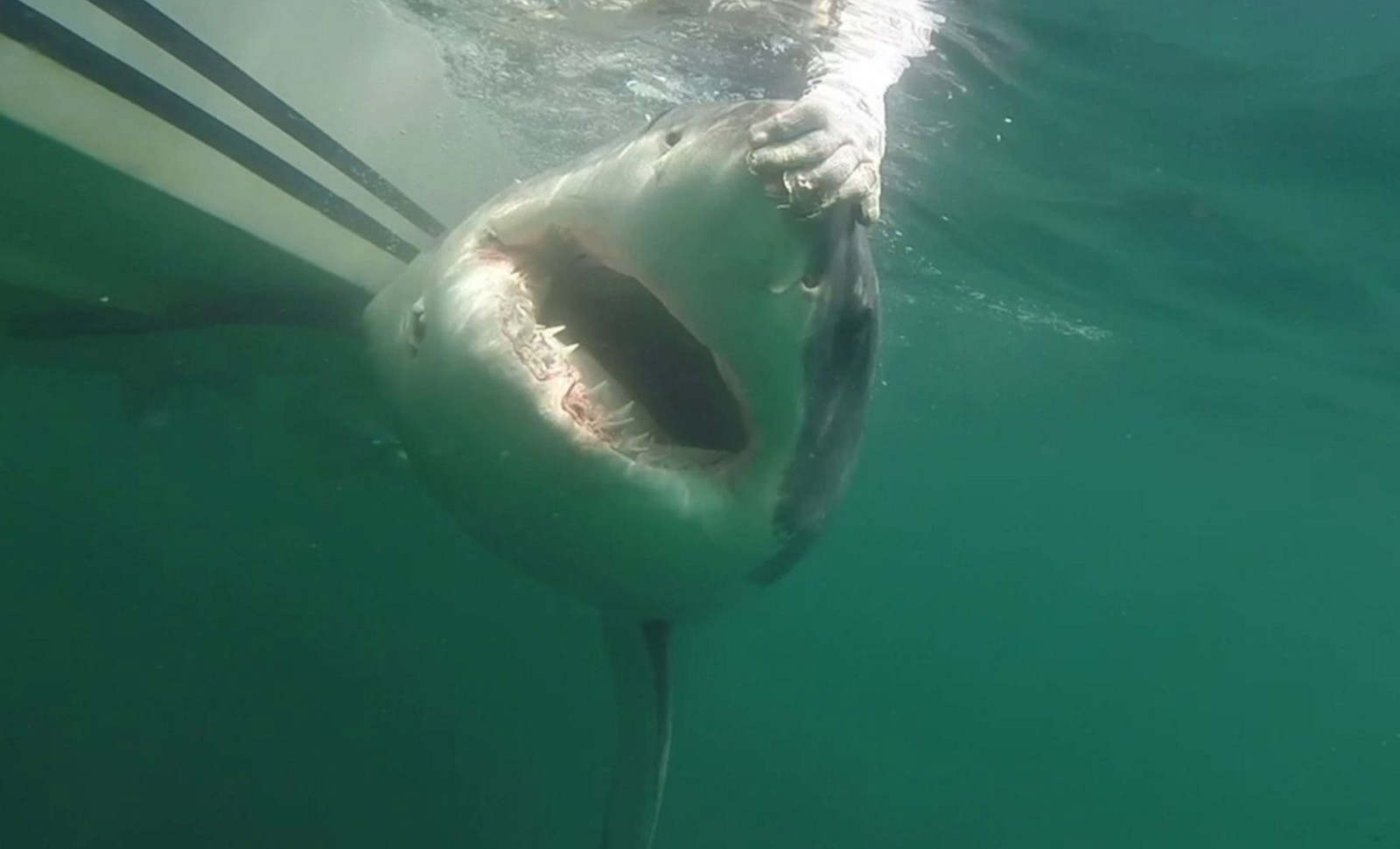
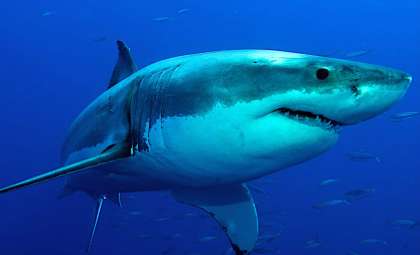
A young great white shark named Ernst has been detected near Pulley Ridge, a remote underwater area off Florida’s Gulf coast. This location is well outside the species’ normal range, surprising marine scientists and raising fresh questions about shark behavior.
Measuring roughly 12 feet long, Ernst is monitored through a tagging initiative by the nonprofit OCEARCH, which tracks great white movements to better understand their migration and habits. Her presence in this rarely frequented zone highlights new ecological mysteries tied to predatory sharks and Gulf marine environments.
Uncommon Presence in the Gulf of Mexico
The detection of Ernst so close to Pulley Ridge is noteworthy because the Gulf of Mexico traditionally isn’t known as a frequent habitat for great whites. Situated around 100 miles offshore, Pulley Ridge features unique deep coral and seagrass habitats that usually don’t intersect with great white migratory patterns. According to OCEARCH, Ernst is one of over 100 sharks fitted with tracking technology, and her presence here was unexpected given her juvenile status.

While often portrayed as formidable hunters, great white sharks also serve as critical markers of ecosystem health. Their appearance in atypical areas can indicate shifts in environmental factors or uncover lesser-known migratory habits. Founder and lead of OCEARCH, Chris Fischer, explained:
“We’re starting to see a lot of our sharks spend a fair bit of time here in this Pulley Ridge area,” he added,“It’s a super biodiverse place with a tremendous volume of life there.”
Ernst’s unexpected excursion into these waters opens a new chapter for scientists studying what attracts great whites to the Gulf’s lesser-explored zones.
The Vital Influence of a Marine Apex Predator
As dominant hunters, great white sharks play a crucial role in maintaining oceanic ecosystem balance. By targeting the weak and controlling prey populations, they help sustain healthy marine environments. The World Wildlife Fund highlights their importance in supporting ecosystems like seagrass beds and kelp forests, key habitats for underwater biodiversity and carbon capture.
Additionally, apex predators influence the ocean carbon cycle in subtle ways. Over their long lifespans, they accumulate carbon in their bodies. When they perish, their remains nourish deep-sea organisms and transfer carbon to ocean depths. This lesser-known function strengthens arguments for conserving these long-lived species.
Advancing Conservation Through Tracking
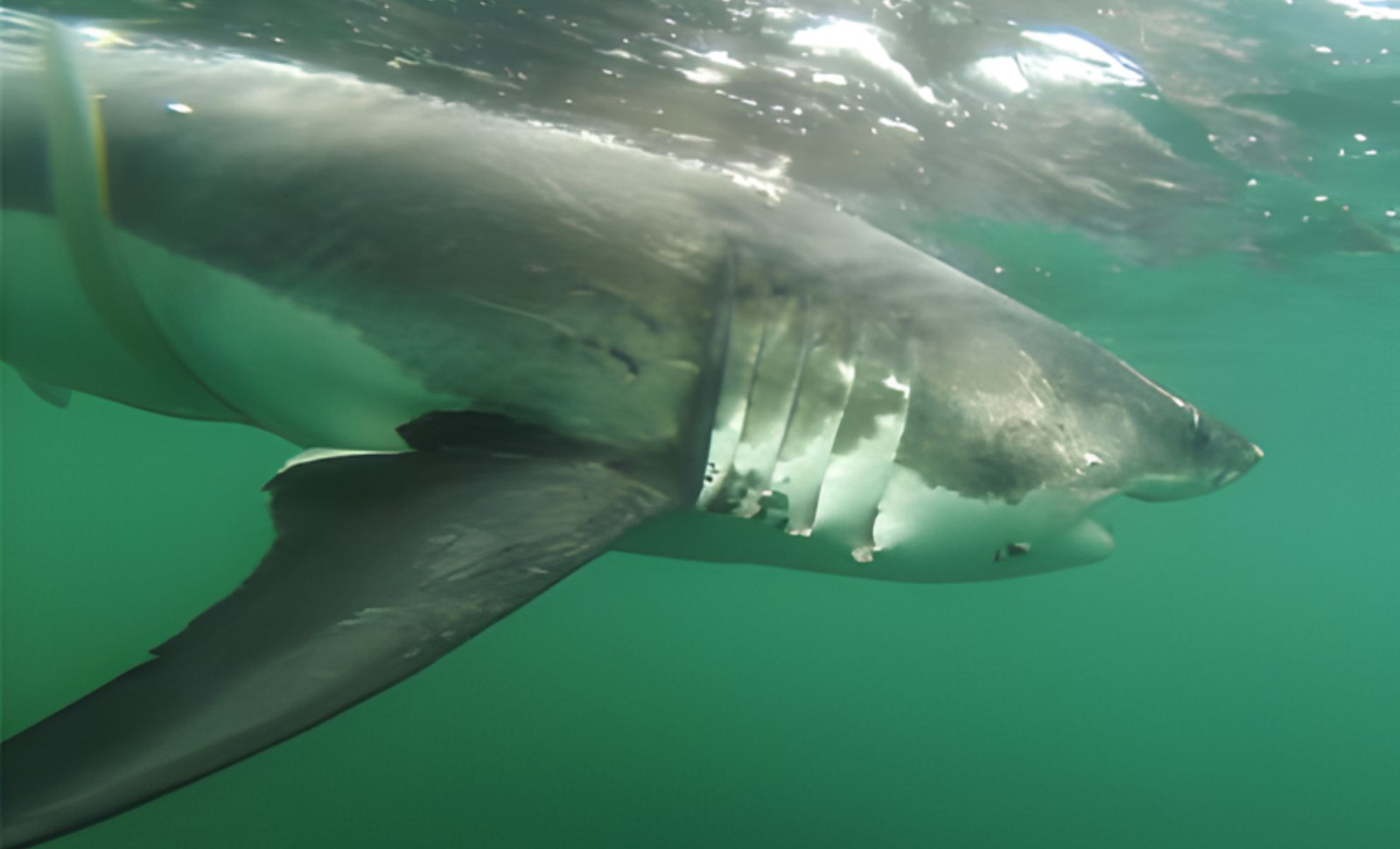
Satellite tagging by OCEARCH has revolutionized insight into shark movements and patterns. Ernst’s tag allows researchers to monitor her location in real time, enriching a dataset critical for understanding migration triggers and habits. This information is essential in shaping effective conservation strategies for sharks and their environments.
Researchers note that Ernst has not yet reached her full size or reproductive maturity, making her an important subject for ongoing study. Observing her changing behavior with age could shed light on how reproduction influences migration, a significant gap in knowledge about great white sharks. As Fischer said, “It’s fascinating to watch this story of the Gulf continue to unfold.”
- Categories:
- News









0 comments
Sign in to Comment