
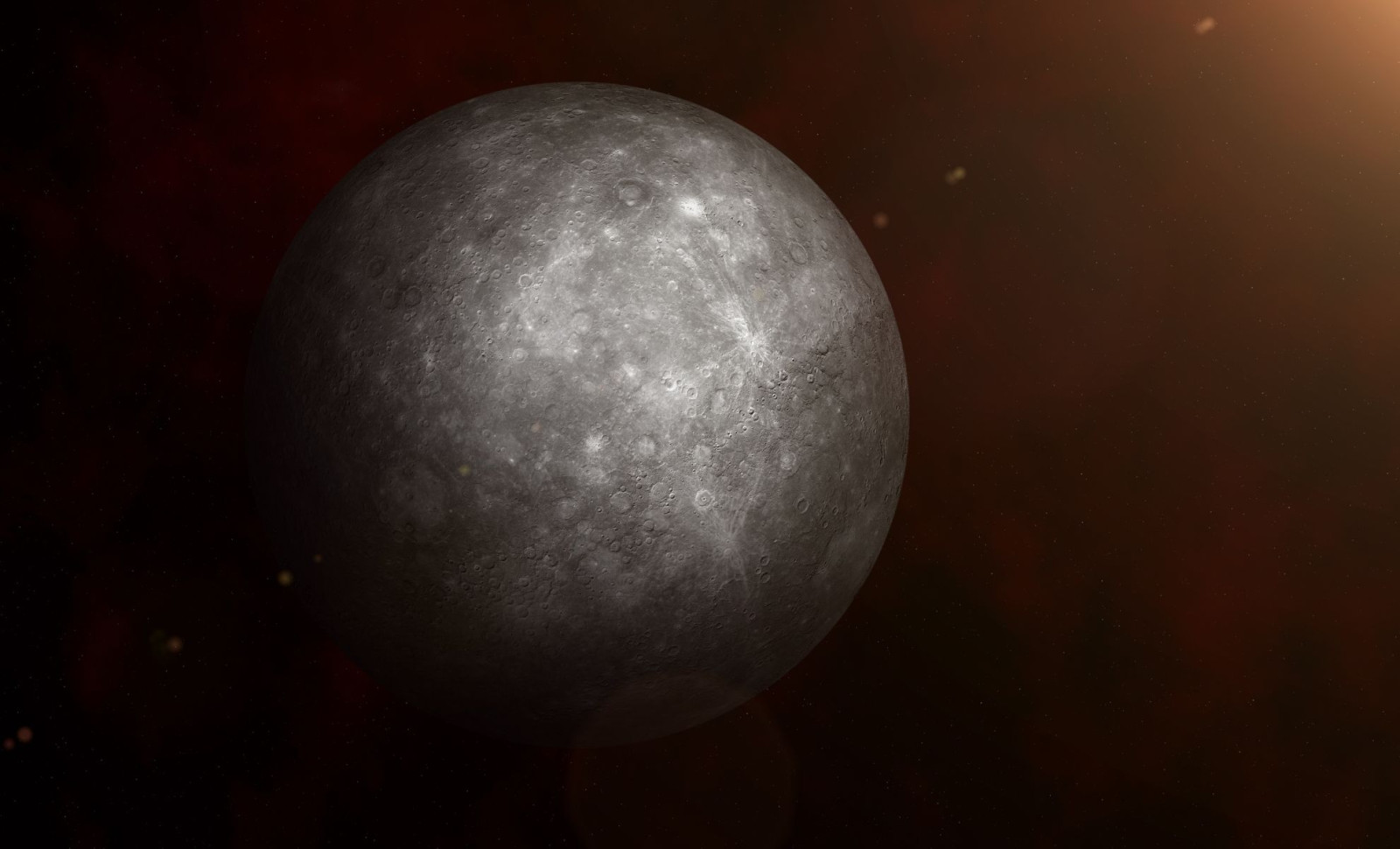
For many years, Mercury has been considered a static, heavily cratered world, a frozen snapshot from the dawn of the Solar System. Its sun-scorched surface seemed unchanging, suggesting a planet whose geological processes ceased billions of years ago. However, new analyses using advanced image processing and machine learning have prompted scientists to rethink this perspective.
By examining images taken by NASA’s Messenger spacecraft, researchers have uncovered linear marks that likely result from volatile substances escaping through the planet’s crust.
Driving this fresh insight is a research group led by Dr. Valentin Bickel from the University of Bern, who leveraged Messenger’s extensive image archive collected during its 2011–2015 mission to shed new light on Mercury’s terrain.

Mysterious Gas Vents Etch Mercury’s Surface
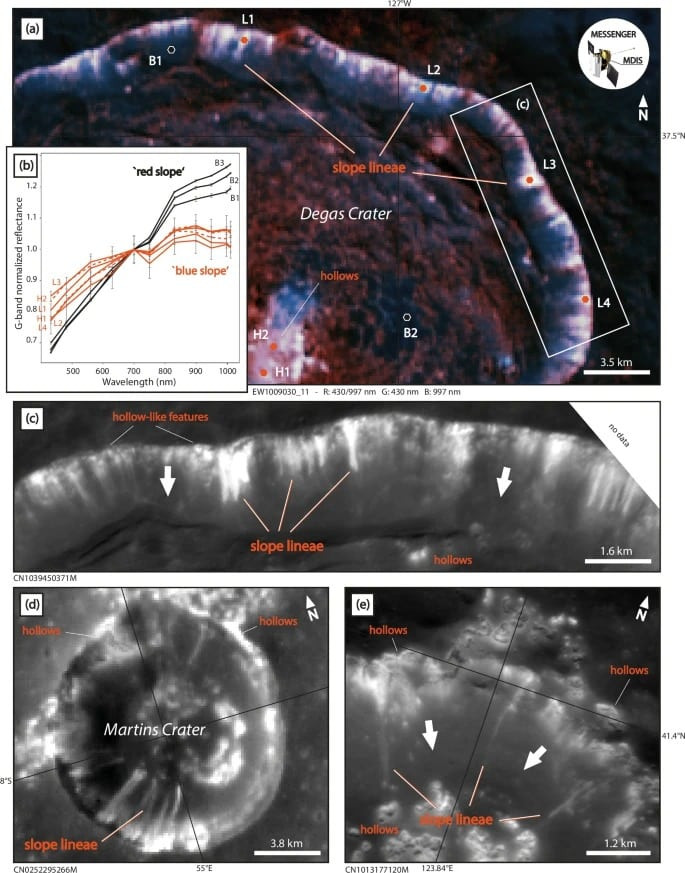
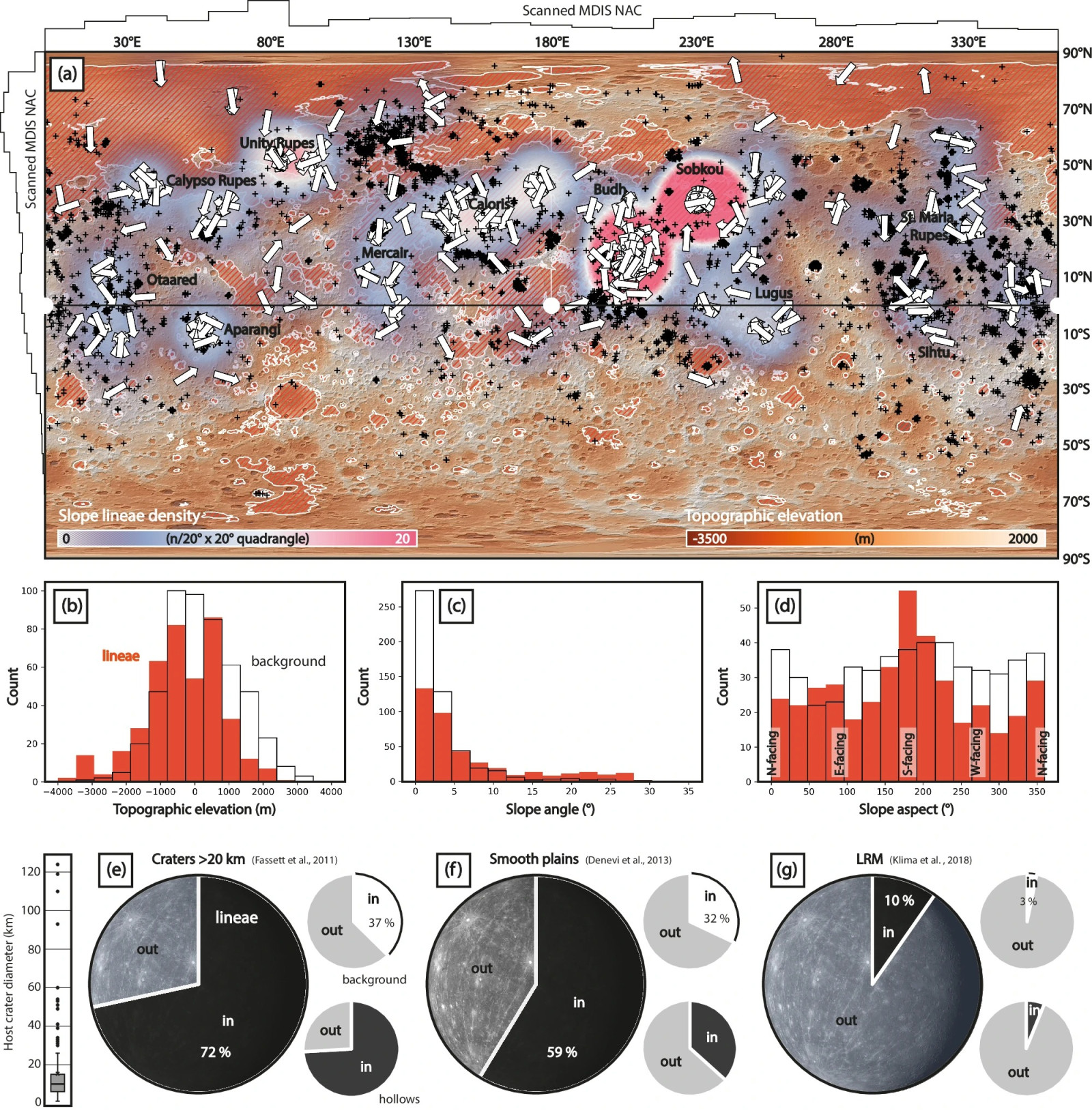
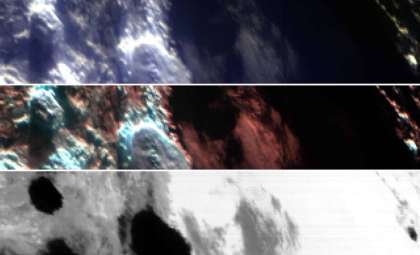
Scientists have cataloged about 400 bright streaks, termed lineae, scattered across Mercury. These features predominantly appear on the sun-exposed slopes of relatively recent impact craters, where the crust has fractured, revealing deeper layers.
Recent findings published in Communications Earth & Environment suggest these streaks often stem from structures known as hollows, which are believed to emerge when volatile compounds sublimate and emit gases into space.
The observed link between sunlight exposure and streak placement points to a connection between solar heating and gas release. Sunlight warming impact-fractured surface zones may trigger the liberation of volatiles like sulfur. The resulting trails left behind reveal visible evidence of the planet’s internal activity.
Reexamining Existing Data with Cutting-Edge Tools
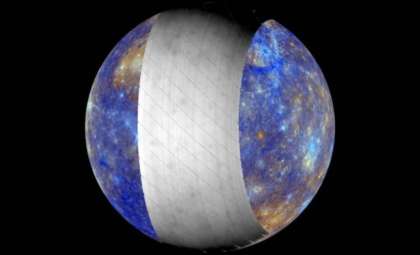
The study utilizes nearly 100,000 high-resolution images from Messenger, which orbited Mercury for four years. By applying machine learning algorithms to this extensive image set, researchers identified patterns that were previously overlooked. This method enabled a more comprehensive surface mapping than was achieved during the mission duration.
“Our findings paint a completely different, dynamic picture of the supposedly dead, dry and boring planet Mercury,” said Bickel.
Anticipation Builds as BepiColombo Approaches Mercury
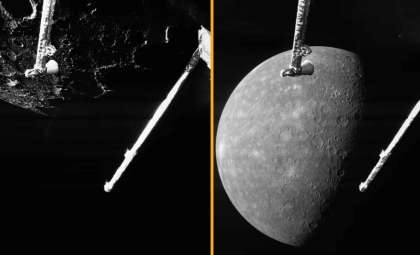
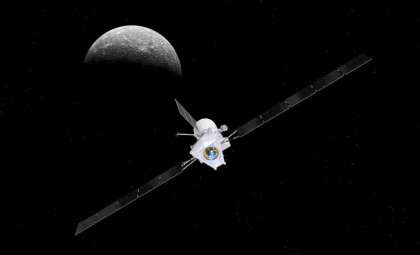
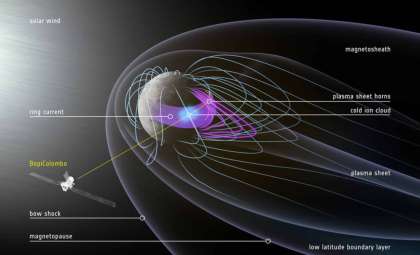
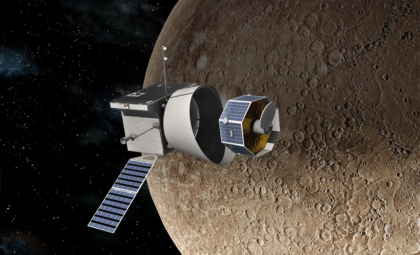
This discovery coincides with the ongoing European Space Agency’s BepiColombo mission en route to Mercury. The probe carries sophisticated imaging instruments partially developed at the University of Bern, capable of capturing highly detailed images of regions first imaged by Messenger.
“With these investigations, we want to better understand the formation mechanisms and the temporal development of these structures and thus gain further indications of the role of volatiles in driving geological activity on Mercury,” Bickel added.
Following BepiColombo’s arrival, scientists plan to compare new data with previous imagery. Identifying newly formed lineae in once unchanged areas would provide compelling proof of active geological processes still shaping Mercury today.
- Categories:
- Astronomy




0 comments
Sign in to Comment