
An unexpected discovery deep inside the Amazon rainforest could transform how scientists view ancient South American cultures.
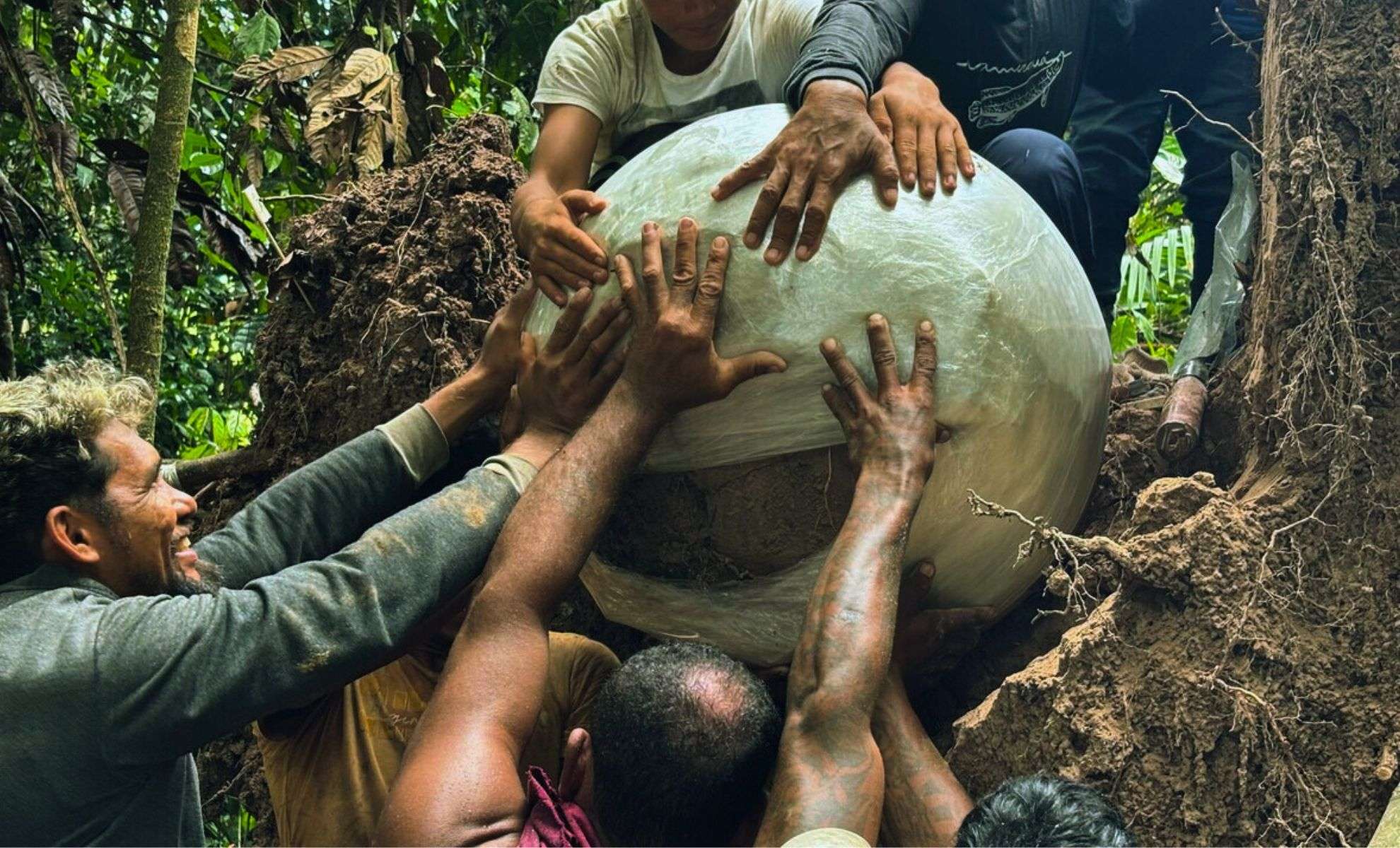
Near Fonte Boa in Brazil’s Amazonas state, locals unearthed seven large ceramic spherical urns after a tree uprooted near Lago do Cochila. The intriguing part lies within these containers: a combination of human bones, turtle shells, and fish remains.
This discovery was jointly announced by the Mamirauá Institute for Sustainable Development and local community representatives, who have been engaged in a collaborative research effort.

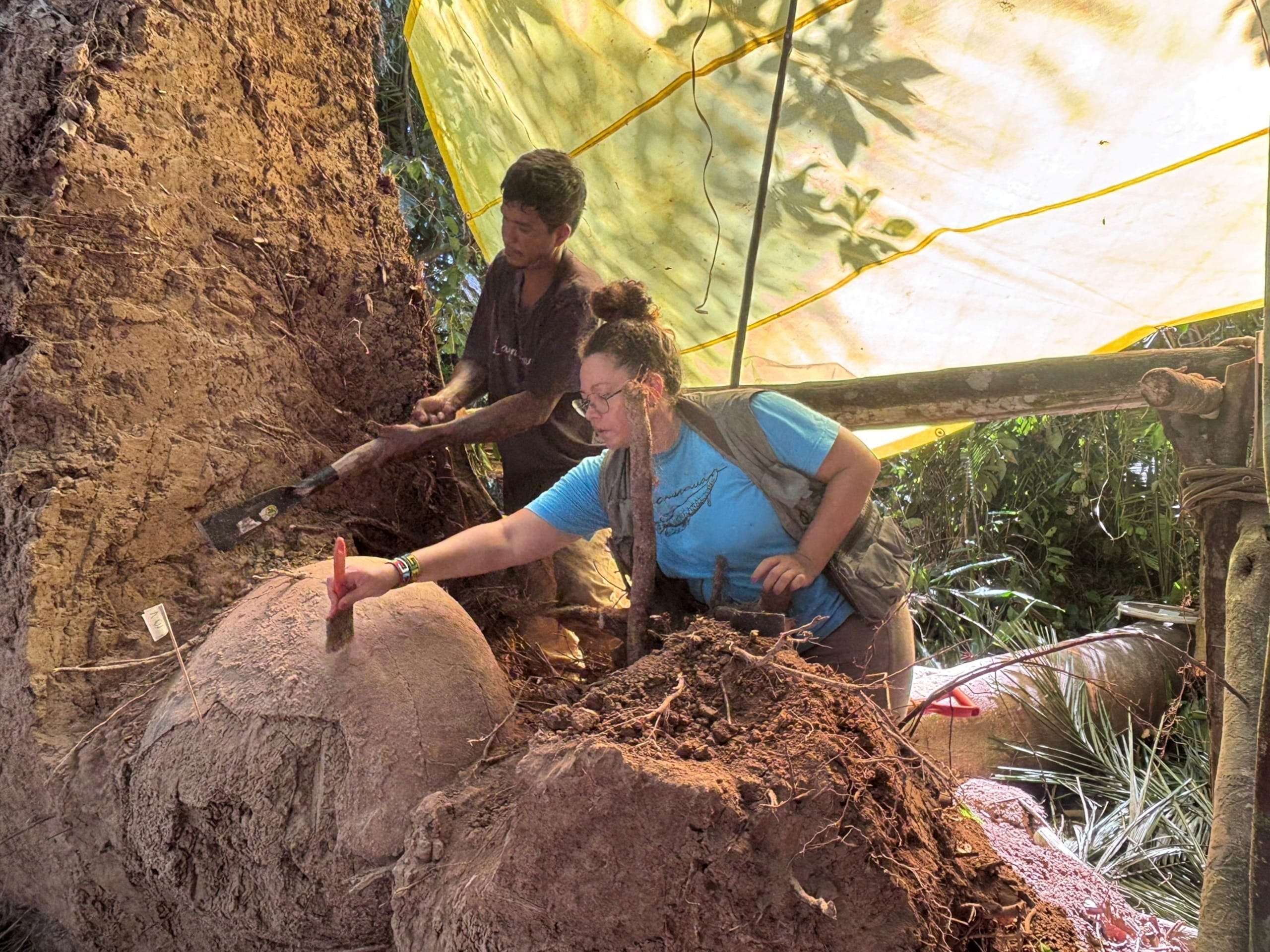
Experts believe these ceramic spheres functioned as funerary vessels, but their combination of remains suggests complex death rituals intertwined with food symbolism, a rare theme in Amazonian archaeological contexts.
“They were likely sealed with organic material, long since decomposed, and buried just 40 centimeters deep—possibly beneath ancient homes,” said Dr. Geórgea Layla Holanda, one of the lead archaeologists, in a press briefing shared by the Institute.
Ancient Floodplain Engineering and Settlement Patterns
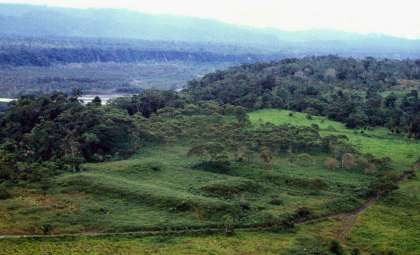
The urns were found atop an artificial island, part of an extensive system of mounds crafted centuries or even thousands of years ago by Indigenous engineers to protect their settlements from the periodic flooding of the Solimões River Basin.
Prior research, including studies published in PNAS and investigations from the National Institute of Amazonian Research (INPA), supports the idea that these earthworks were created by stable communities with impressive environmental management skills.
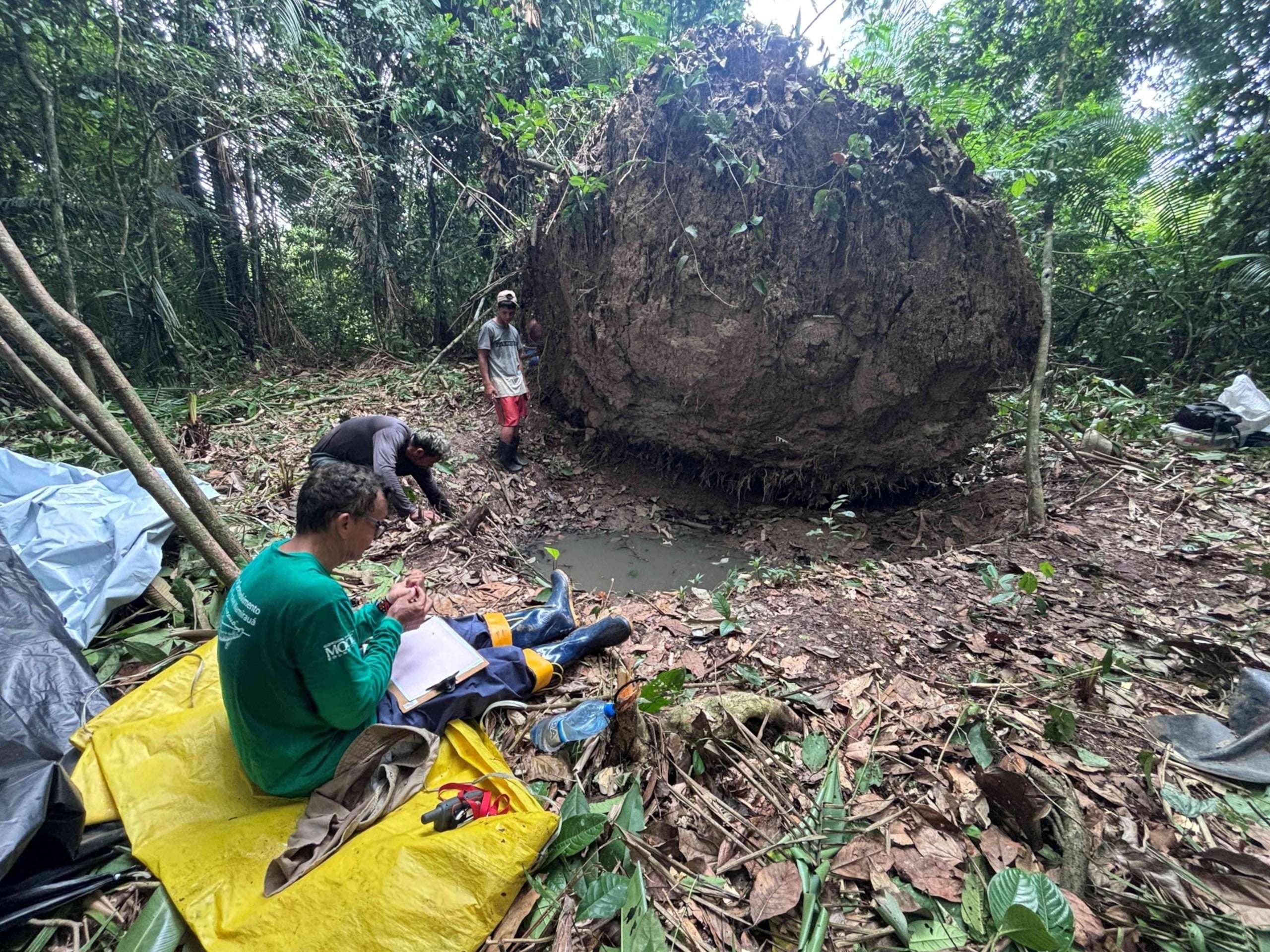
“The construction here is deliberate,” said Márcio Amaral, the excavation lead. “They carefully managed flooding, food supply, and burial traditions. This represents a form of Indigenous engineering that has been underestimated.”
Recovering the urns posed a logistical challenge since they were caught nearly three meters above ground, suspended among the roots of the fallen tree. Local people built a traditional wooden scaffold to safely extract the artifacts.
Distinctive Materials and Unmapped Pottery Styles
Initial lab analysis in the Mamirauá Institute's Tefé laboratory shows the urns were formed from a green-tinged clay, a material rarely documented in the Upper Solimões area. While some fragments bear traces of red slip and engobe coatings, they do not match known pottery traditions like the Amazon Polychrome Tradition common in the Lower Amazon.
“This could indicate the presence of a distinct cultural group—one that has not yet been fully documented,” said Holanda, noting that the ceramic style lacks parallels in the broader Amazon Basin.
The mixture of human and animal remains, including fish and turtles, inside the urns raises intriguing questions about the connection between diet and funerary rites. Ethnoarchaeological analogies with Andean and other South American indigenous groups hint at a symbolic blending of sustenance with afterlife beliefs. However, researchers emphasize the need for further study to clarify these relationships.
Collaborative Archaeology Bridging Science and Indigenous Wisdom
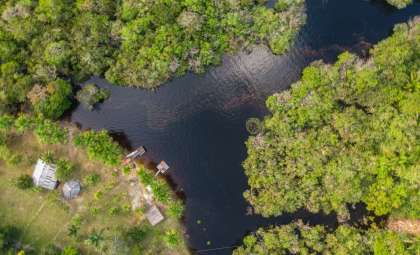
The transport of the urns to Tefé—some 190 kilometers away via river, involving a demanding 10 to 12-hour passage through jungle waterways—was orchestrated entirely by community members under scientific supervision. This initiative represents a successful model of community-engaged, respectful archaeological practice that integrates academic methods with local expertise.
Walfredo Cerqueira, a pirarucu fisherman from the nearby São Lázaro do Arumandubinha village, was instrumental in alerting authorities after spotting the unusual pottery. His wife, Nádia Silva, provided meals during the archaeological camp, while local craftsmen constructed the elevated platform essential for artifact recovery.
“This was an archaeology done from the inside out,” said Amaral. “We followed the community’s rhythm, shared meals, and learned from their understanding of the land. It’s not just about unearthing artifacts—it’s about respecting the knowledge that lives here.”
This approach exemplifies growing academic efforts to decolonize archaeology by uplifting Indigenous perspectives and oral traditions, especially vital for places like the Amazon, where documentation is scarce and oral histories carry crucial insights.
Though research continues, the accidental unearthing of these urns through fallen roots and winds has opened new avenues for appreciating a forgotten era shaped by land, ritual, and Indigenous ingenuity.
- Categories:
- Science


0 comments
Sign in to Comment