
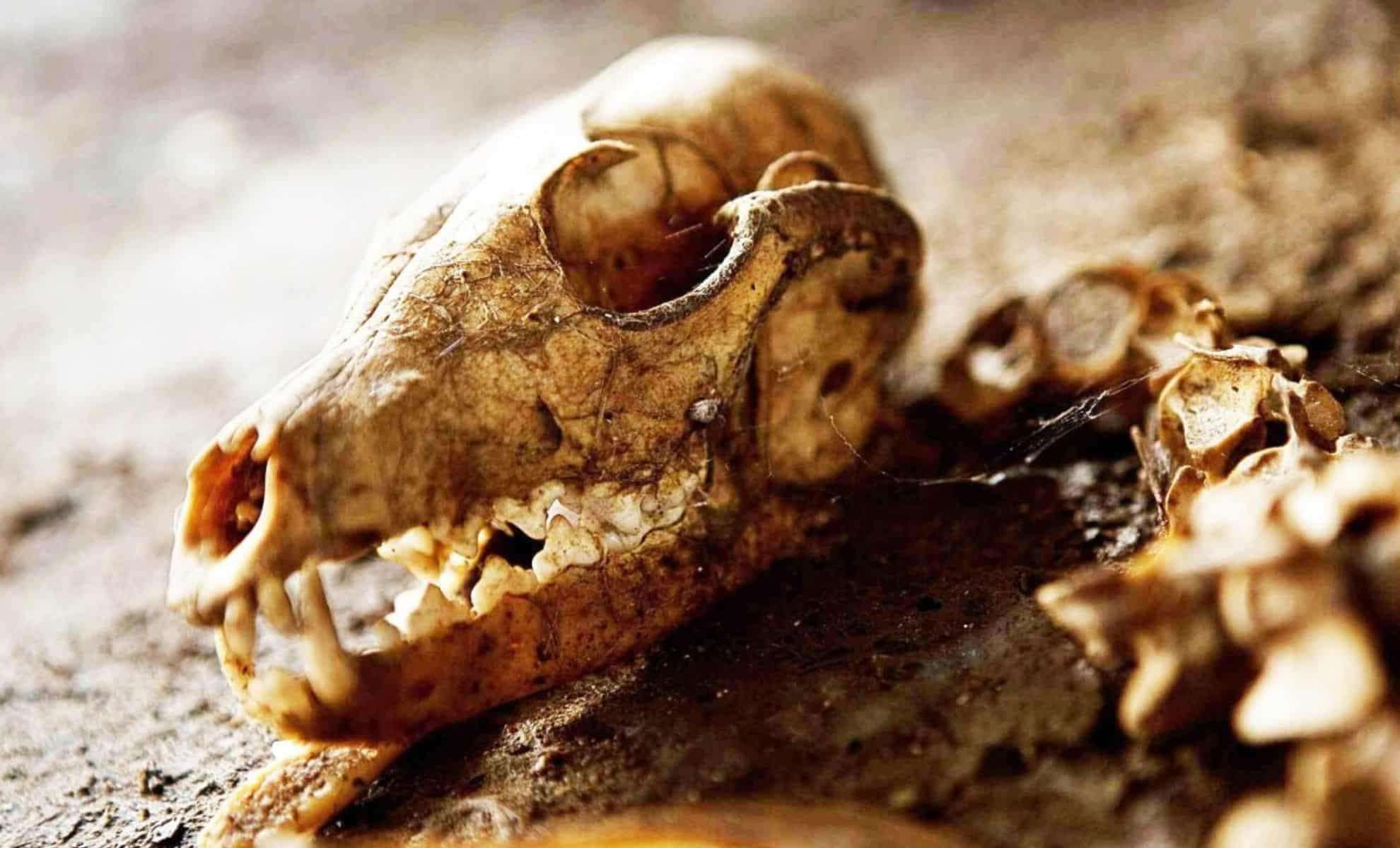
Deep within a secluded cave in the Gard area of southern France, explorers uncovered an extraordinary relic—a dog skeleton dating back 16,000 years.
This remarkable specimen offers valuable evidence about dog domestication in prehistoric times and invites fresh questions about the dynamics between ancient humans and their canine companions.
The dog was discovered in 2016, but recent comprehensive examinations have unveiled critical new details about this early partnership.

An Exceptionally Intact Skeleton
Professor Mietje Germonpré of Belgium’s Institute of Natural Sciences directed the in-depth analysis of the remains. Published in the journal Quaternary Science Reviews, the research identified the dog as a mature female weighing approximately 26 kilograms and measuring 62 centimeters tall.
The extraordinary preservation of the skeleton, nearly complete and undisturbed, allowed experts to draw comparisons with both contemporary and ancient wolves and dogs, shedding light on the evolutionary pathway leading towards domesticated dogs.
Indications of Human Care and Domestication
Evidence from the skeleton suggests the dog received attentive care from humans. Notably, several healed vertebrae indicate the animal survived injuries, likely with medical intervention or at least nurturance from Paleolithic humans.
This supports the theory that early humans engaged with dogs not merely as hunting aides or guards but also as companions forming emotional connections.
Germonpré highlights how the dog's physical size and signs of attentive care point toward a multifaceted relationship between humans and dogs during the Paleolithic period. These animals were valuable for practical purposes and evidently held significant social standing.
Such interactions likely influenced the domestication process that ultimately produced modern dog breeds.
A Grim Conclusion: The Dog’s Unexplained Demise
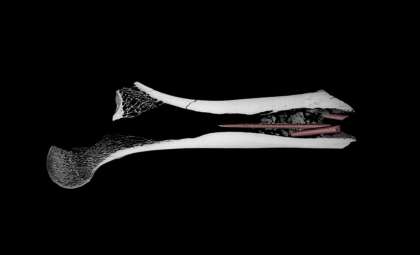
Although the skeleton reveals attentive care, it also bears evidence of a violent end. Two fresh holes were identified on the dog’s scapula, wounds that were inflicted shortly before death.
Injuries resembling those caused during Paleolithic hunting or slaughter provoke questions regarding the circumstances of this dog's death and whether it was human-inflicted despite prior care.
Whether the dog was killed for sustenance or other reasons remains uncertain, adding complexity to the understanding of prehistoric human-dog relations.
The findings suggest early domesticated dogs might have faced harsh treatment or ritual sacrifice at times.
Decoding the Origins of Dog Domestication
This 16,000-year-old fossil offers key insights into the early domestication of dogs. While scientific consensus generally dates dog domestication to over 26,000 years ago, this discovery enriches the narrative of human-canine bonds.
Upcoming research plans involve extracting and analyzing the dog’s DNA to better ascertain its genetic links to current dog lineages.
Furthermore, investigations into the dog’s mysterious death could deepen our comprehension of how ancient humans regarded and interacted with the canines that walked alongside them.
- Categories:
- Science







0 comments
Sign in to Comment