
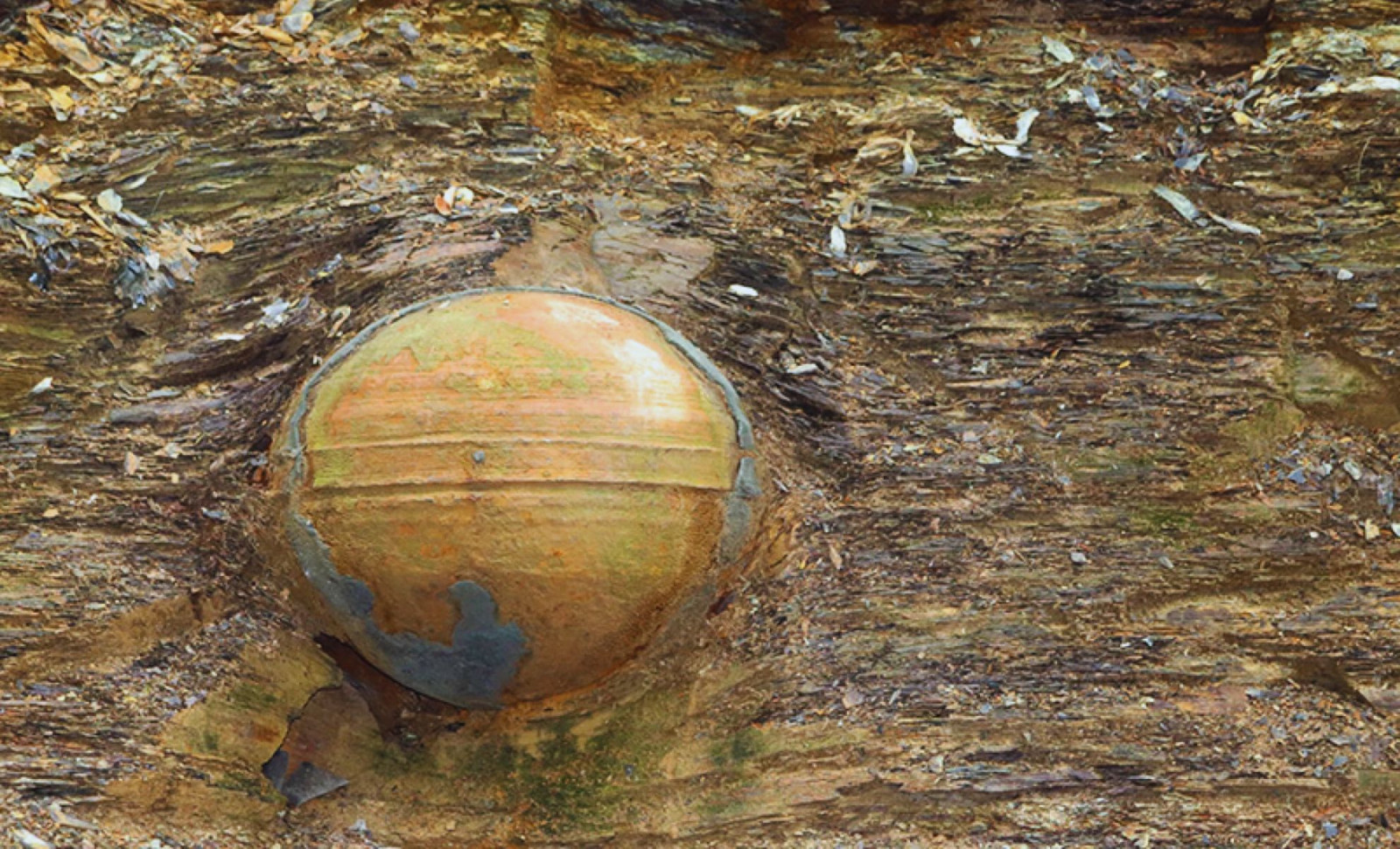
In a quiet neighborhood in Columbus, an intriguing phenomenon has captured attention: perfectly round rocks are surfacing from gardens and creek beds. These curious formations date back millions of years, predating even the era of dinosaurs. Their mysterious nature has sparked curiosity among both residents and geologists eager to decode their story.
Throughout Ohio, these spherical stones—some resembling the size of grapefruits, others notably larger—are being uncovered in various community spaces. While some might dismiss them as mere peculiar rocks, they carry a remarkable geological history entwined with the region’s ancient marine environment.
Concretions: Geological Marvels from Deep Time
Concretions are naturally shaped mineral masses, typically spherical, created as minerals crystallize around a core, which can be fossilized remains or organic debris. Erika Danielsen, a geologist with the Ohio Department of Natural Resources, explains that such concretions are prevalent within Ohio’s shale layers.

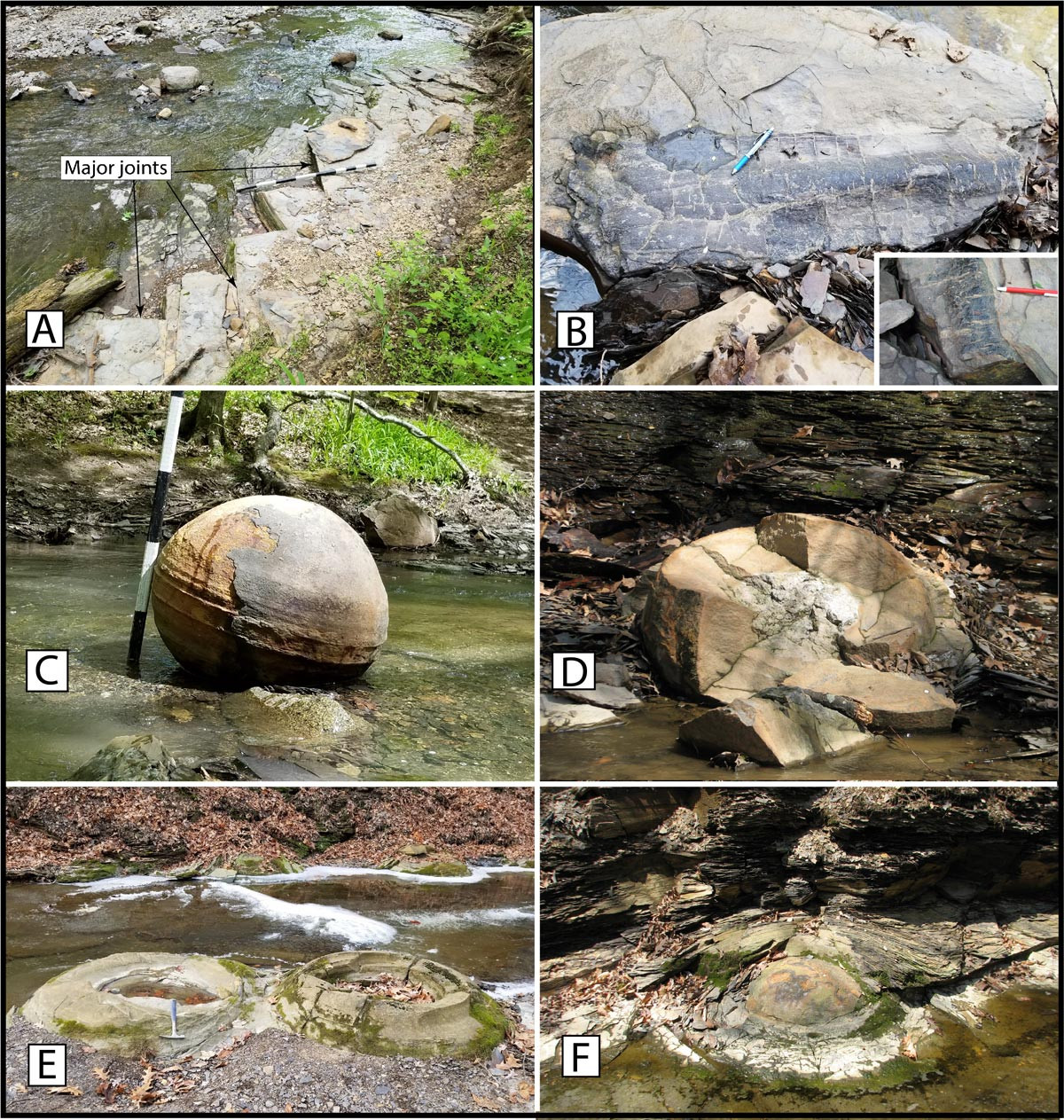
These intriguing stones originated in the Devonian period, approximately 360 million years ago, when Ohio was submerged beneath a prehistoric sea. Their formation begins when organic remains—such as the jawbone of the Dunkleosteus, a fearsome prehistoric fish—sink into ocean sediment.
“Bacteria and microorganisms will start breaking down organic matter around that jaw bone and that will change the chemistry in the mud and water around that jaw bone,” she added.
This biochemical interaction triggers the deposition of minerals, mainly carbonates, around the organic core, crafting a solid, rounded mass. Over time, these mineralized concretions become enveloped in successive shale layers.
Ohio’s Rich Geological Showcase
One prime location to observe these stone spheres is Shale Hollow Park, just north of Columbus. Here, visitors encounter massive concretions—some reaching diameters up to nine feet—exposed along creek banks and cliff faces. These specimens offer a tangible glimpse into ancient ocean chemistry.
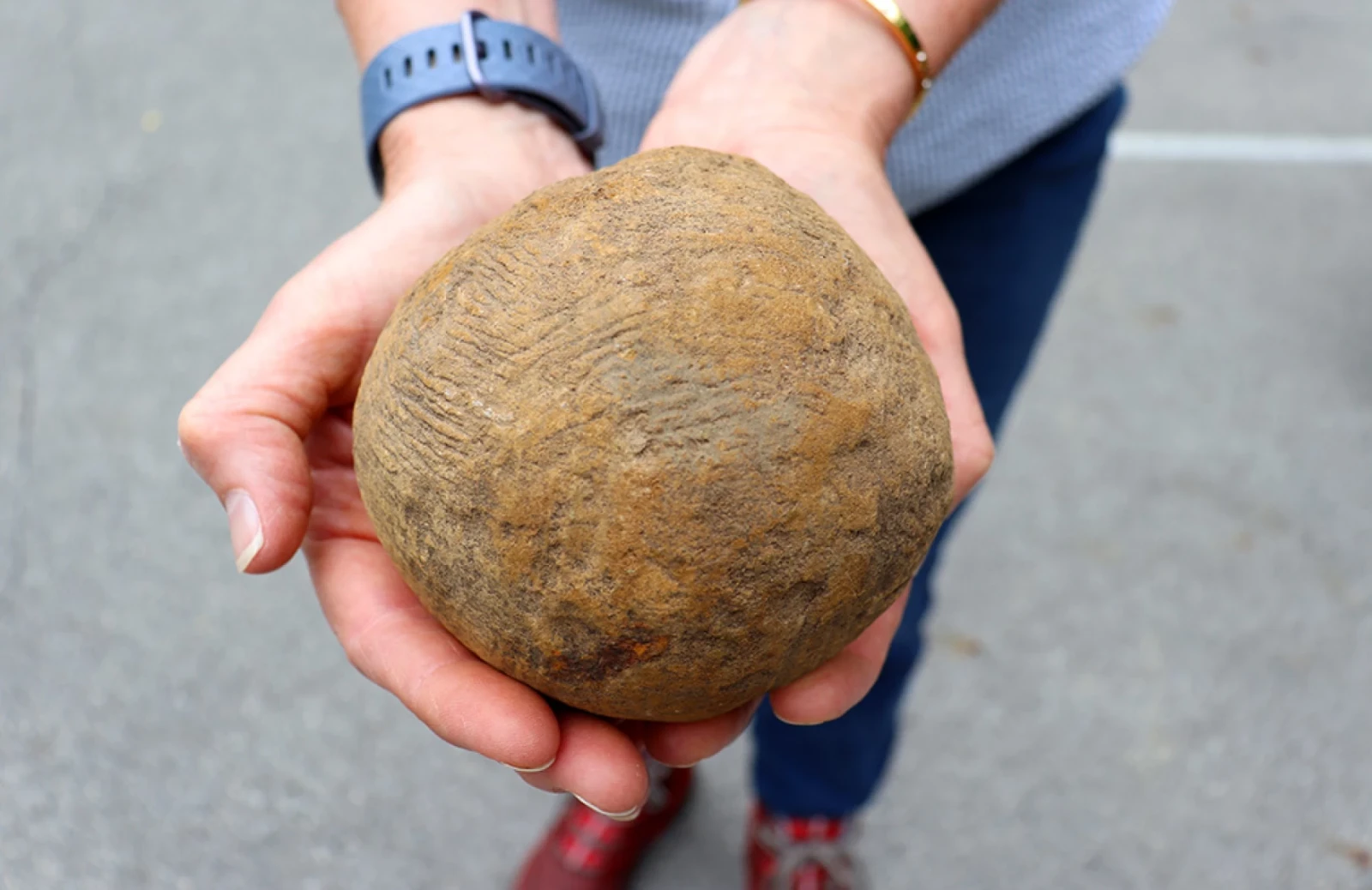
Danielsen notes that the size of concretions found at Shale Hollow varies widely, ranging from small pebble-sized stones to enormous spheres far larger than those found in backyards.
“We can find them anywhere from like centimeter size, really little, to like 9 feet,” she explains, as quoted by WOSU.
Fossil Treasures Concealed Within Concretions
Although fossil presence inside concretions isn’t common, the chance of discovering preserved ancient remains exists. When Clintonville local Elizabeth Heiser stumbled upon one such concretion in her backyard, she wondered if it might contain a fossil.
While finding fossils inside these mineral spheres is rare, the prospect fascinates scientists. Danielsen mentions that paleontologists occasionally uncover fossils embedded within concretions, though more often these stones do not house such remnants.
- Categories:
- Science





0 comments
Sign in to Comment