
Scientists have introduced a newly identified dinosaur species named Shri rapax, unearthed in the Gobi Desert of Mongolia. Measuring about 2 meters in length, this predator shares close ancestry with the Velociraptor but exhibits distinct anatomical traits.
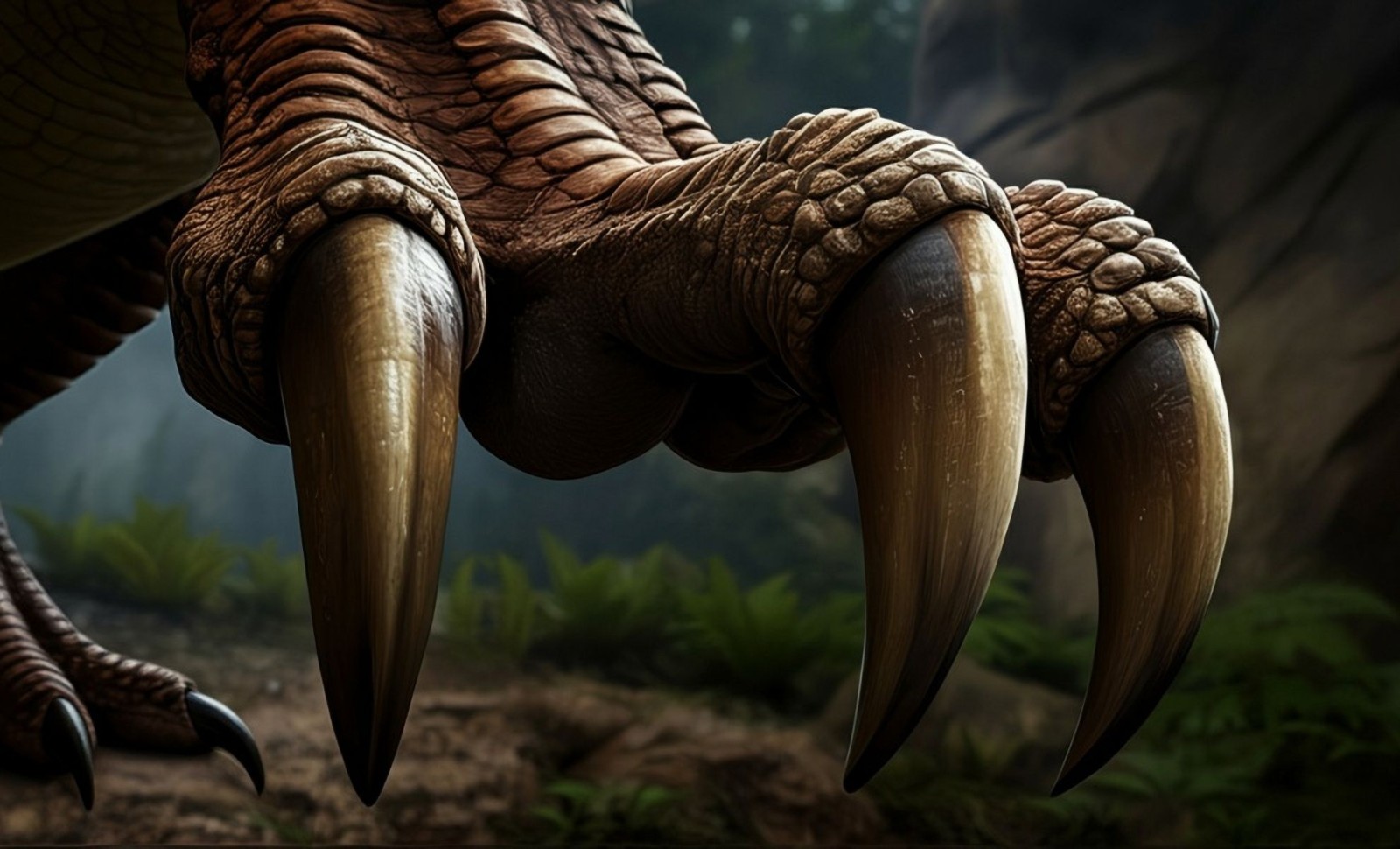
A standout characteristic of Shri rapax is its enormous claws combined with exceptionally robust hands, features that likely enabled it to overpower prey larger than expected for a dinosaur of its modest size. The name Shri rapax is derived from “rapacious,” reflecting the creature’s fierce and aggressive hunting adaptations.
Survival in the Challenging Gobi Terrain
The fossils of Shri rapax were found within the Djadochta Formation, a historically harsh climate region dating back 75 to 71 million years ago. Back then, the area consisted of expansive sand dunes with occasional water bodies, a stark contrast to the dense forests often associated with dinosaurs. Research indicates that these demanding conditions may have driven the species to develop unique traits tailored for survival.

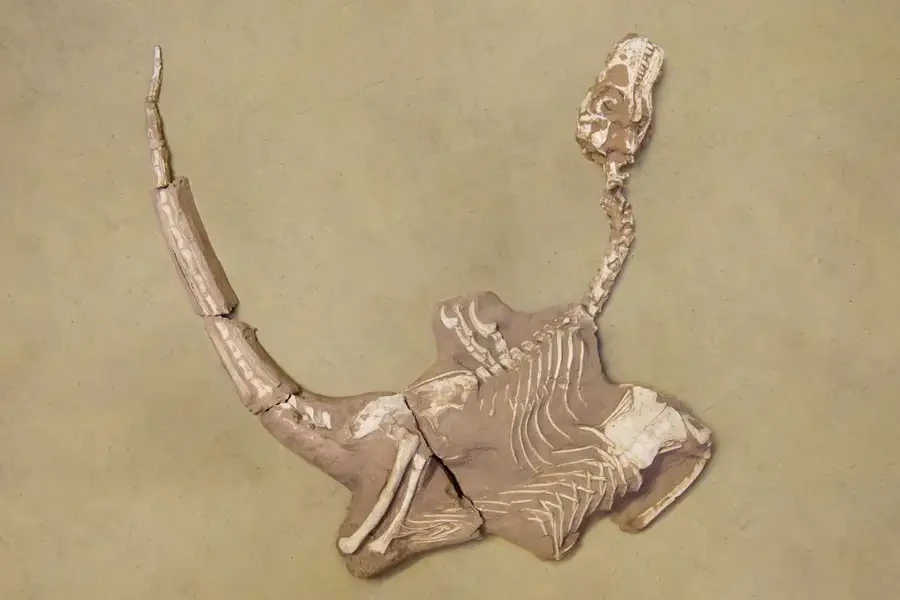
The Gobi site has yielded numerous dinosaur remains over time, enriching our knowledge of prehistoric ecosystems. While the environment was tough, it likely offered Shri rapax a specialized niche as an efficient predator.
Exceptional Claws and Hands Define Its Hunting Strategy
The defining trait of Shri rapax lies in its forelimbs: large, muscular hands armed with substantial claws. Paleontologist Andrea Cau highlights these as crucial adaptations that ensured the dinosaur’s success in hunting.
“The extremely robust [heavily built] hand structure and notably elongated claw ofShri rapaxindicate an adaptation for powerful gripping,” says team memberTsogtbaatar Chinzorigat North Carolina State University. “Such a configuration likely enabled it to grasp and restrain relatively large prey.”
Rather than preying solely on smaller animals, Shri rapax was seemingly equipped to hunt bigger and more formidable targets, distinguishing it from its raptor relatives.
“Compared toVelociraptor– which is about the same body size – the hand is 150 per cent more robust and the claw is longer,” notedAndrea Cau. “This suggests [it] was adapted to hunt animals stronger and more robust than those usually preferred by its relatives.”
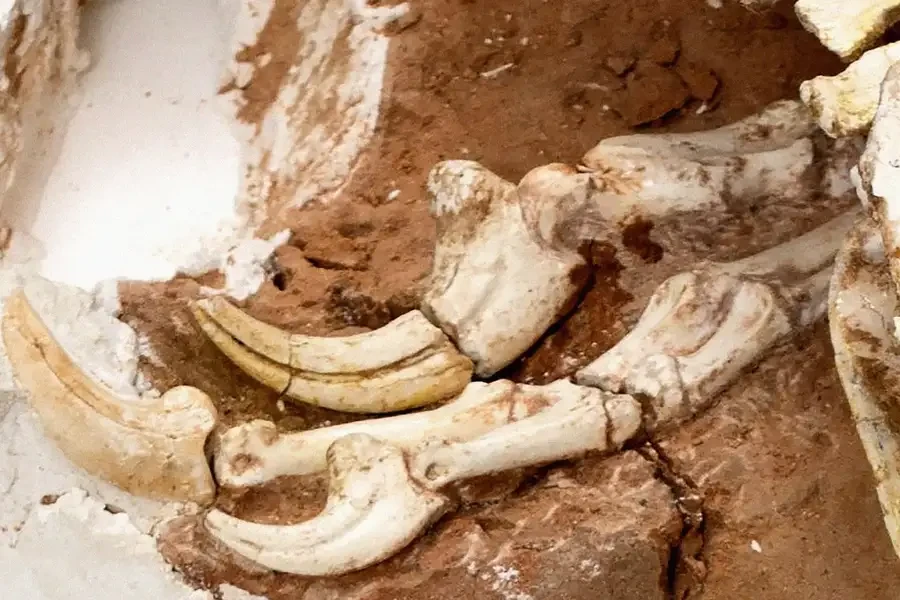
Andrea Cau, the lead researcher who named the species, emphasized that the pronounced robustness of Shri rapax’s hands directly reflects its aggressive predatory behavior. He explained that naming the dinosaur after its “rapacious features observed in the hand” was fitting, capturing the essence of this small yet formidable hunter.
This dinosaur occupied a distinct niche, excelling in subduing prey smaller or weaker than itself, illustrating the remarkable diversity and adaptability within dinosaur ecosystems.
- Categories:
- Science



0 comments
Sign in to Comment