
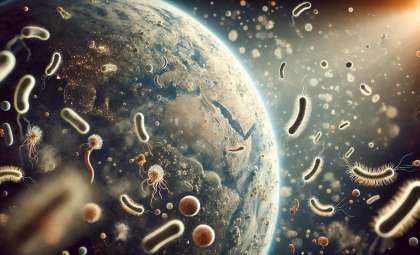
Researchers have uncovered 26 novel bacterial species inhabiting NASA’s tightly controlled spacecraft assembly cleanrooms, challenging prior beliefs about where microbes can endure. Published in the journal Microbiome, the findings prompt critical discussions on planetary protection measures and the risk of transporting Earth microbes to Mars.
Life Thriving Within Earth’s Strictest Sterile Zones
NASA’s cleanrooms are engineered to maintain exceptional sterility. Various measures, including high-efficiency filtration, ultraviolet light treatments, and chemical disinfectants, aim to prevent microbial contamination of spacecraft destined for other planets. Nevertheless, scientists detected 26 hardy bacterial species capable of long-term survival under these intense conditions.
“It was a genuine ‘pause and reassess everything’ moment,” remarked Alexandre Rosado, co-author and bioscience professor at King Abdullah University of Science and Technology, Saudi Arabia. This sentiment highlights the significance of the research, which analyzed samples gathered during the assembly of NASA’s Phoenix Mars Lander in 2007-2008.

Under the guidance of Kasthuri Venkateswaran at NASA’s Jet Propulsion Laboratory, the team examined 215 bacterial strains found on cleanroom surfaces, with some persisting across various mission stages. Advances in DNA metagenomic sequencing have since enabled a detailed genetic profiling, uncovering traits that may facilitate survival throughout space travel.
Space-Adapted Microbes Equipped with Survival Genes
The study, as detailed in Microbiome, reveals these bacteria aren’t incidental contaminants but species with sophisticated defense strategies. These include resistance to radiation, chemical sterilants, and the capacity to form protective biofilms, enabling them to adhere to surfaces. Several carry genes linked to DNA repair, dormancy, and spore formation, advantageous for survival beyond Earth.
“Cleanrooms do not equal ’no life’,” Rosado emphasized. “Our findings show these microorganisms are uncommon but persistent, supporting ongoing survival in these controlled environments.” Such results raise concerns about the adequacy of current sterilization practices, crucial as exploration zeroes in on potentially habitable zones like Mars’ polar areas or subterranean oceans on Europa.
These microbes now form an essential reference group for assessing spacecraft cleaning protocols, aiding in verifying the efficacy of sterilization before planetary missions launch.
Replicating Martian Conditions to Gauge Microbial Endurance
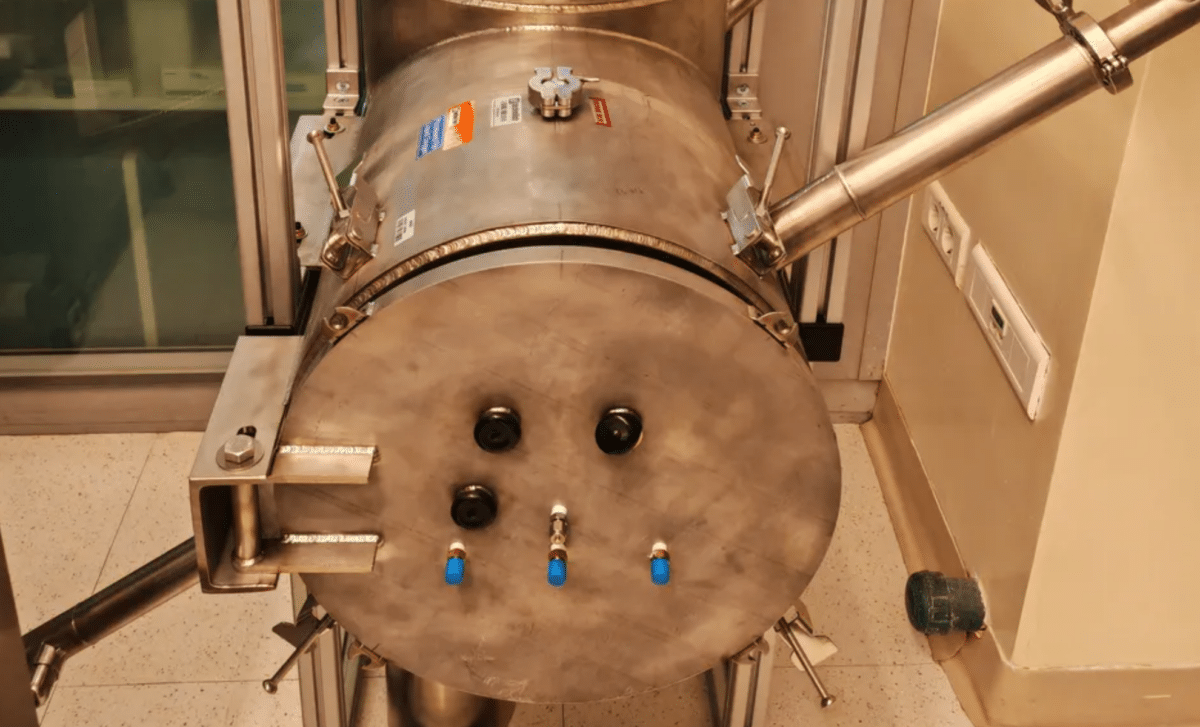
To better understand these bacteria’s capacity for surviving spaceflight and Martian environments, Rosado’s team is developing a planetary simulation chamber at King Abdullah University of Science and Technology. Scheduled to initiate trials in early 2026, this setup will expose the microbes to harsh conditions mimicking those on Mars’ surface, including intense UV radiation, extreme cold, a carbon dioxide-heavy atmosphere, and vacuum states.
The experiments aim to clarify the likelihood of these species enduring the voyage to Mars and the potential risk of unintentional contamination—a critical factor for future astrobiology investigations and life-detection missions.
“This research will help pinpoint key traits relevant to planetary protection and possibly uncover novel applications in biotechnology or astrobiology,” Rosado said. Beyond space safety, the resilient qualities of these microbes might have practical uses in biotech fields where resistance to radiation and chemicals is valuable.
Microbial Stowaways and the Danger to Extraterrestrial Ecosystems
The discovery of tough microbes thriving in NASA’s cleanrooms reignites debates on enforcing planetary protection regulations, particularly the threat of forward contamination. Transporting terrestrial microorganisms to foreign worlds could disrupt native environments or compromise the integrity of missions seeking indigenous life.
This research highlights the tension between rigorous sterilization efforts and nature’s adaptability. Even in meticulously maintained cleanrooms, life finds ways to endure. As exploration targets worlds like Mars, Titan, and Enceladus, it becomes increasingly vital to monitor and control microbial persistence.
Whether these bacteria qualify as genuine extremophiles capable of lasting beyond Earth remains uncertain. What is undeniable is the need to rethink the concept of “clean” in cleanrooms and urgently revisit contamination assumptions to protect extraterrestrial environments.
- Categories:
- Science





0 comments
Sign in to Comment