
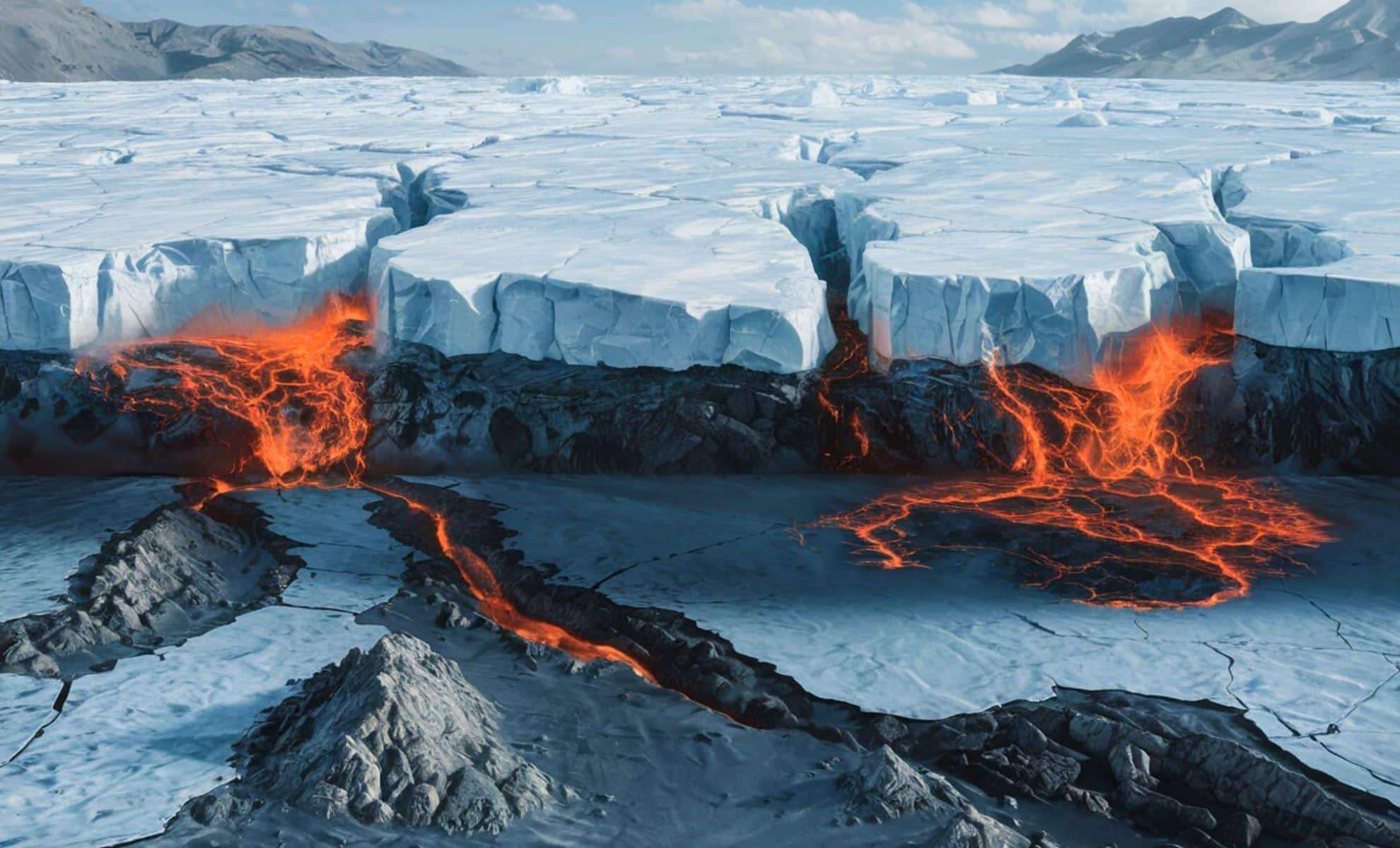
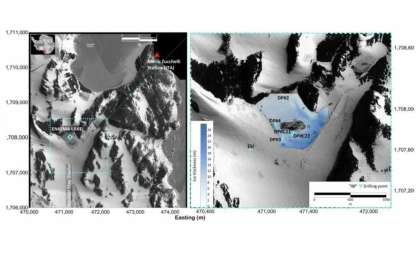
Far below the icy expanse of western Antarctica, a hidden volcanic rift quietly pulses beneath a glacier that is as thick as 2 kilometers. Recent studies indicate that this subterranean volcanic activity might significantly influence global ice melting, potentially sparking a cycle where volcanic eruptions and melting ice amplify each other. Researchers are delving into these beneath-the-ice phenomena to better anticipate their effects on Earth's climate future.
Instability of the West Antarctic Ice Sheet
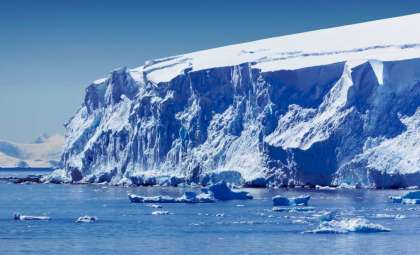
The West Antarctic Ice Sheet (WAIS) is notably vulnerable compared to its larger eastern counterpart. Positioned on bedrock below sea level, the WAIS is prone to instability. Current estimates reveal Antarctica is shedding approximately 150 billion tons of ice annually, driving concerns about rising ocean levels worldwide.
Vital Facts About the WAIS:
- Ice depth: The ice layer ranges between 1 and 2 kilometers thick, but underlying volcanism increases its susceptibility.
- Geological makeup: An active volcanic rift beneath the WAIS adds complexity, as magma production could alter how quickly and where ice diminishes.
The region's fragility is compounded by warming temperatures globally. As Earth’s average temperature hits new highs, the Antarctic ice is not only retreating but is also revealing land that changes surface reflectivity, accelerating the melting process.

How Volcanic Activity Could Accelerate Ice Melt
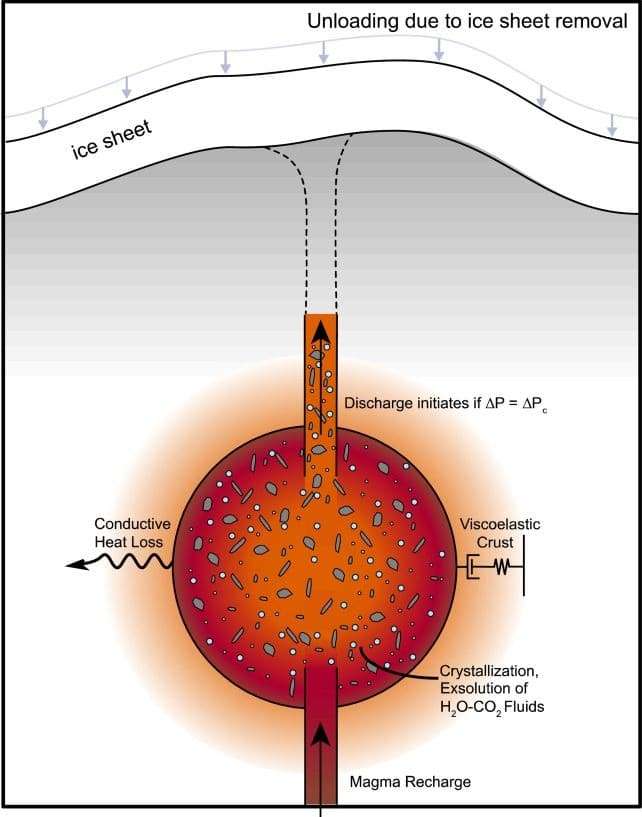
Research headed by Allie Coonin at Brown University highlights the possibility that volcanic forces might enhance ice depletion through self-reinforcing cycles. By running extensive simulations, the team explored interactions between melting ice and magma chambers under the WAIS, revealing a scenario where melting and eruptions fuel one another.
Mechanisms Driving This Feedback:
- Decreased pressure on Earth's crust: Melting ice reduces the downward force on crustal rocks, allowing magma to expand and increase stress on surrounding rock, boosting eruption odds.
- Formation of gas bubbles: Lower pressure encourages water and CO2 in magma to form bubbles, which raises internal pressure and promotes eruptions.
- Heat emission: Volcanoes erupting beneath ice transfer heat that melts ice from the bottom up, speeding up ice loss.
Though these volcanic events remain hidden beneath thick ice layers, their overall influence could be substantial. The study warns that even after ice retreat stabilizes, magma chambers may stay highly pliable, leading to more frequent and intense volcanic episodes long-term.
Historical Evidence and Future Outlook
Geological data links past ice sheet retreats with increased volcanic activity. Episodes of ice mass reduction have historically triggered geological reactions, highlighting the risk of similar occurrences beneath Antarctica’s ice sheet.
Considerations for Future Climate Models:
- Model limitations: Many existing climate projections overlook volcanic heat feedbacks, possibly underestimating ice sheet vulnerability.
- Unrecognized hazards: According to researchers, “the additional heat associated with such unloading-triggered eruptions is currently unaccounted for,” revealing gaps in current understanding.
- Impacts on sea level: Activating this volcanic-ice feedback could hasten sea-level rise over time, threatening coastal zones and ecosystems worldwide.
The scientists emphasize that incorporating glacio-volcanic feedback processes into climate predictions is crucial for accurately forecasting how temperature rises and ice melt will shape Earth's environmental future.
- Categories:
- Science





0 comments
Sign in to Comment