
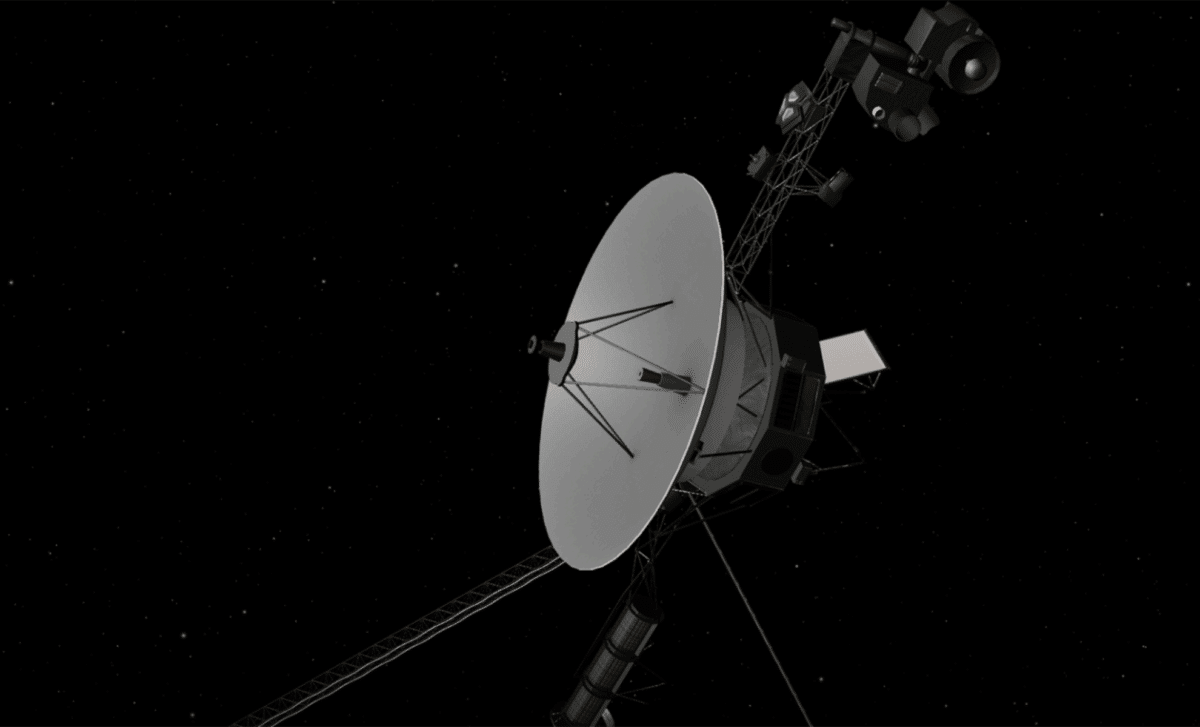
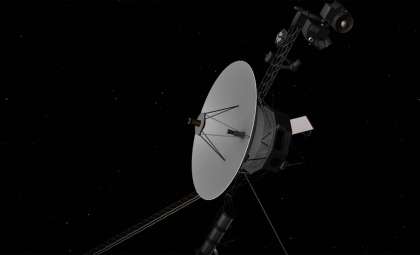
NASA’s Voyager 1 continues its extraordinary trek through space, poised to reach an unparalleled distance by late 2026. At that time, radio transmissions from Earth will require a full 24 hours to arrive at the spacecraft—a distance equivalent to one full light day. This milestone heralds a new chapter in interstellar communication, with growing challenges in maintaining contact and control as the spacecraft ventures farther into the depths of space.
Voyager 1's Pathway: Beyond the Boundaries of Our Solar System
Since its launch in 1977, Voyager 1 was designed to explore the outer planets, providing extensive data on Jupiter and Saturn and their moons. After completing these flybys, its mission shifted outward to travel beyond the heliosphere into interstellar space. The probe has remained on this outward course, offering humanity unparalleled insight into the cosmic environment beyond our solar neighborhood.
Presently, Voyager 1 has surpassed 15.7 billion miles from Earth, a vast gulf that significantly complicates regular communication. Signals now take nearly a full day to journey one way, underscoring the immense scale of the universe and the remarkable reach of human exploration.

Approaching the One-Light-Day Threshold: What Lies Ahead
NASA reports that the spacecraft will officially pass the one light day mark in late 2026, when a radio message will take 24 hours to reach Voyager 1. While this achievement highlights the incredible distances involved in space travel, it also presents heightened obstacles for ongoing mission operations. The delay in communication will increase further, eventually reaching a stage where immediate command and control will no longer be feasible.
With this milestone approaching, NASA’s engineering team is concentrating on prolonging Voyager 1’s functionality. Its nuclear power source is expected to fuel the probe for a few more years, during which it will continue transmitting invaluable scientific data. Ultimately, when its power runs out, Voyager 1 will fall silent but remain a testament to decades of cosmic discovery.
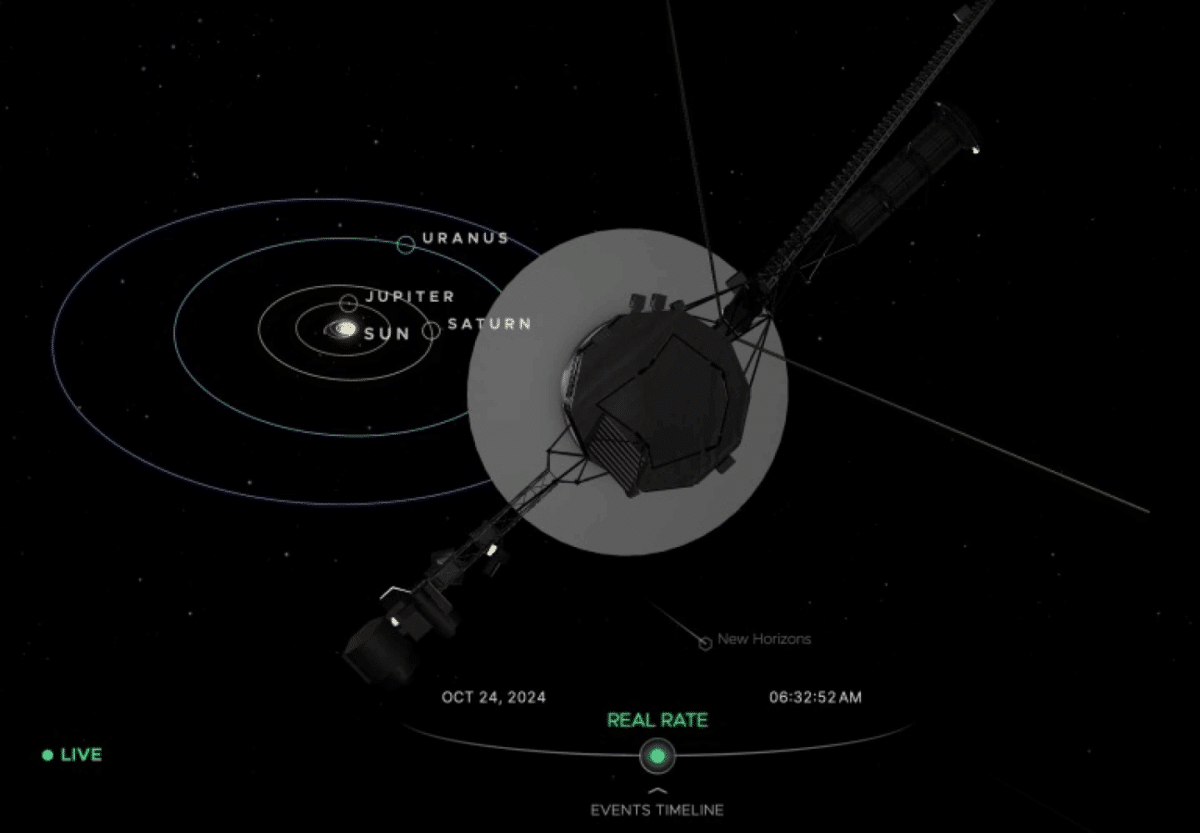
The Critical Role of Light Speed in Deep-Space Communication
Light speed governs the fastest method we have for transmitting information across astronomical distances. A light year represents the distance light travels in one year and serves as a fundamental unit for measuring space’s vastness. At its current position, Voyager 1 is so remote that it takes nearly 24 hours for a signal to traverse the gap from Earth to the probe, meaning messages require a full day to be received.
Humans have long been aware of the communication delays caused by light speed. For example, during the Apollo missions, radio exchanges between astronauts on the Moon and Earth’s Mission Control experienced an approximate 2.6-second lag due to the 226,000-mile distance. In comparison, Voyager 1’s delays stretch to hours and even days, reflecting its extraordinary remoteness.
- Categories:
- News








0 comments
Sign in to Comment