
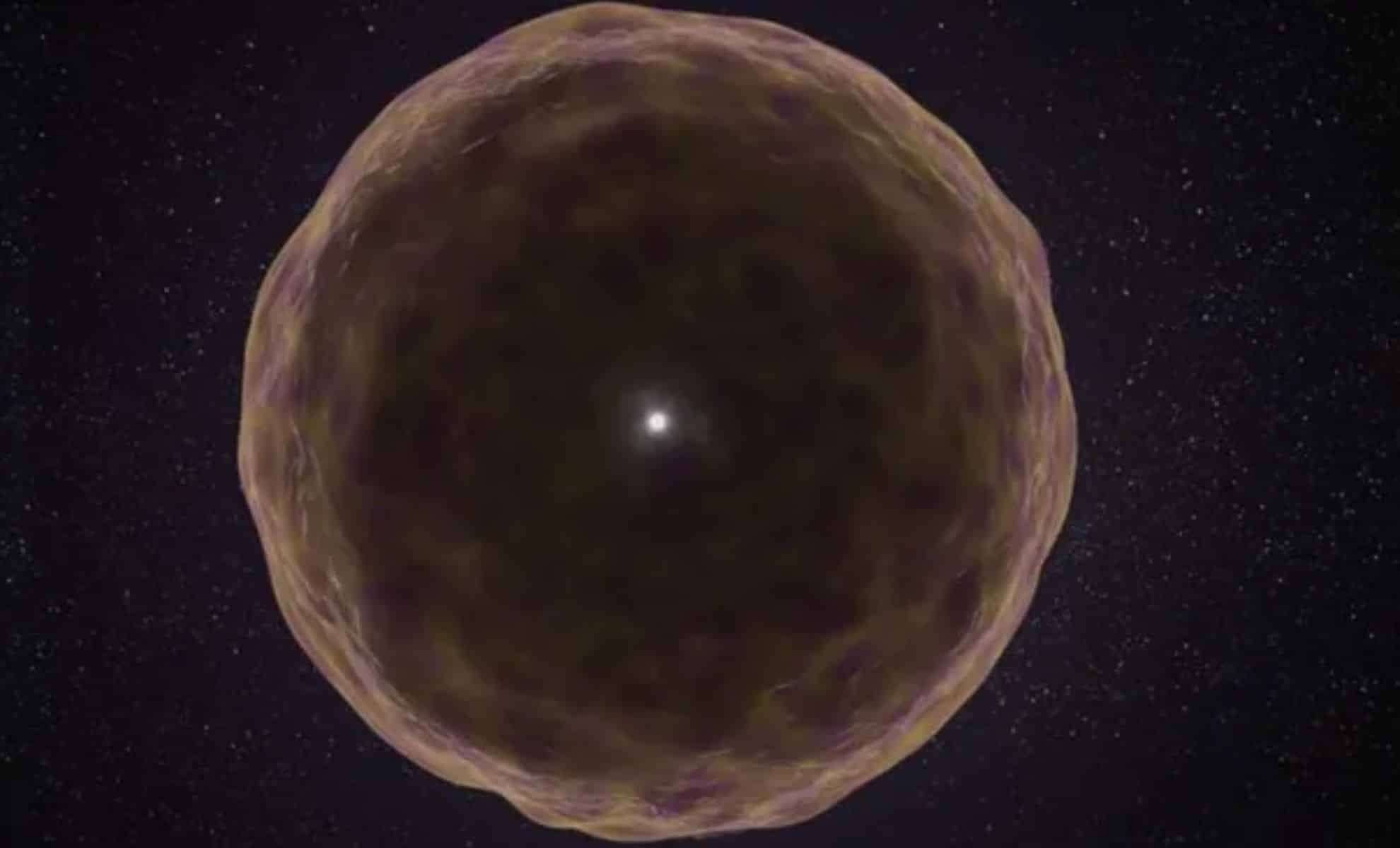
Astronomers have identified a previously unseen supernova type that challenges long-held ideas about how stars end their lives. Designated SN2021yfj, this explosion, occurring 2.2 billion light-years from Earth, reveals a star stripped of its outer layers and exposing heavier elements typically hidden in its core. This groundbreaking observation, described in a recent Nature publication, is reshaping our grasp of stellar demise and cosmos evolution.
A Breakthrough in Stellar Explosion Research
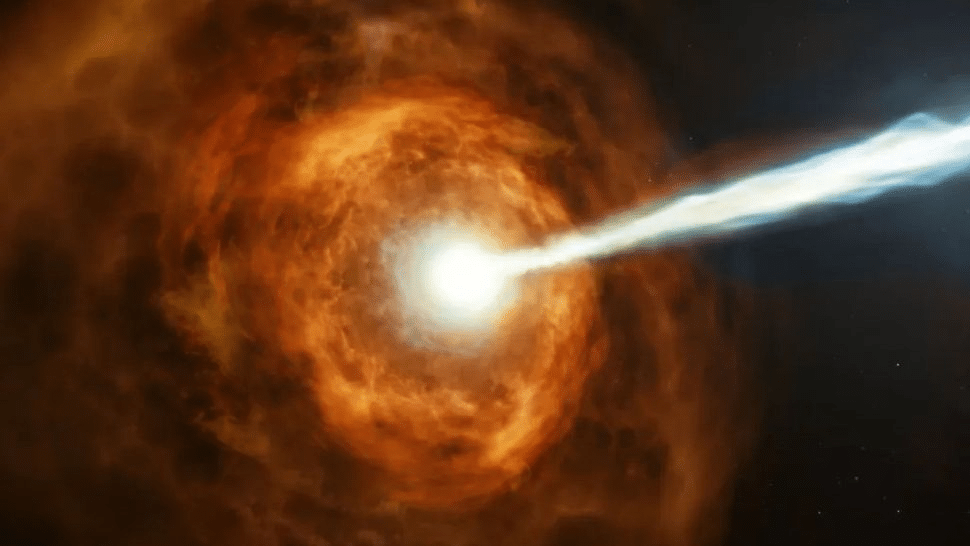
The supernova SN2021yfj has left scientists astonished due to its unique characteristics. Termed a “naked core” explosion, it displays elements such as silicon, sulfur, and argon—elements typically buried deep inside a star’s center. This stands in stark contrast to conventional supernovae, which predominantly exhibit lighter elements like hydrogen and helium that originate from the star's outer layers. For comparison, see related supernova phenomena.
Adam Miller from Northwestern University noted, “This event is unlike anything observed before; at first, we questioned whether we had misidentified the object.” His remarks highlight the extraordinary nature of SN2021yfj, indicating that existing models of stellar life cycles might be incomplete. “It’s clear there could be alternative, more exotic routes for massive stars to end their existence,” Miller added. These findings invite a profound reassessment of stellar evolution theories.

Serendipity and the Discovery
The path to uncovering SN2021yfj was equally remarkable. Initially, the astronomers lost hope of capturing spectroscopic data, thinking the observation window had closed. As Miller recounted, “We resigned ourselves to missing the opportunity and went to sleep disappointed. Yet the next morning, a colleague at UC Berkeley provided a critical spectrum unexpectedly. Without that data, we might have overlooked the supernova’s unusual nature.” This fortunate twist enabled the research team to decode the supernova’s unprecedented composition.
What Distinguishes SN2021yfj?
While supernovae usually signal the collapse of massive stars shedding their outer hydrogen layers, SN2021yfj stands apart by having nearly all of its exterior stripped away prior to detonation. This exposed the inner, heavier elements not typically seen in such explosions. Steve Schulze, Northwestern University and lead investigator, explained, “Most of the star’s long-accumulated material was lost before we observed the explosion, suggesting an extreme event occurred shortly before. The cause of this mass loss remains speculative, potentially resulting from intense pre-supernova eruptions, strong stellar winds, or the influence of a close companion star.”
Speculations and Next Steps in Research
The researchers propose that “pair-instability,” a process igniting nuclear fusion bursts in the star’s core and triggering violent shedding of outer layers, might explain SN2021yfj’s evolution. However, with only one example so far, the team exercises caution. Miller emphasized, “Although we have a hypothesis for this exotic explosion, our understanding remains tentative given the singular nature of this event.”
Looking ahead, Schulze stressed the critical need to detect and examine more such rare supernovae. “Discovering additional cases will deepen our insight into these extraordinary stellar deaths and their impact on cosmic evolution.” As these unique explosions are scarce, ongoing sky monitoring is essential for enhancing astrophysical knowledge.
- Categories:
- News








0 comments
Sign in to Comment