
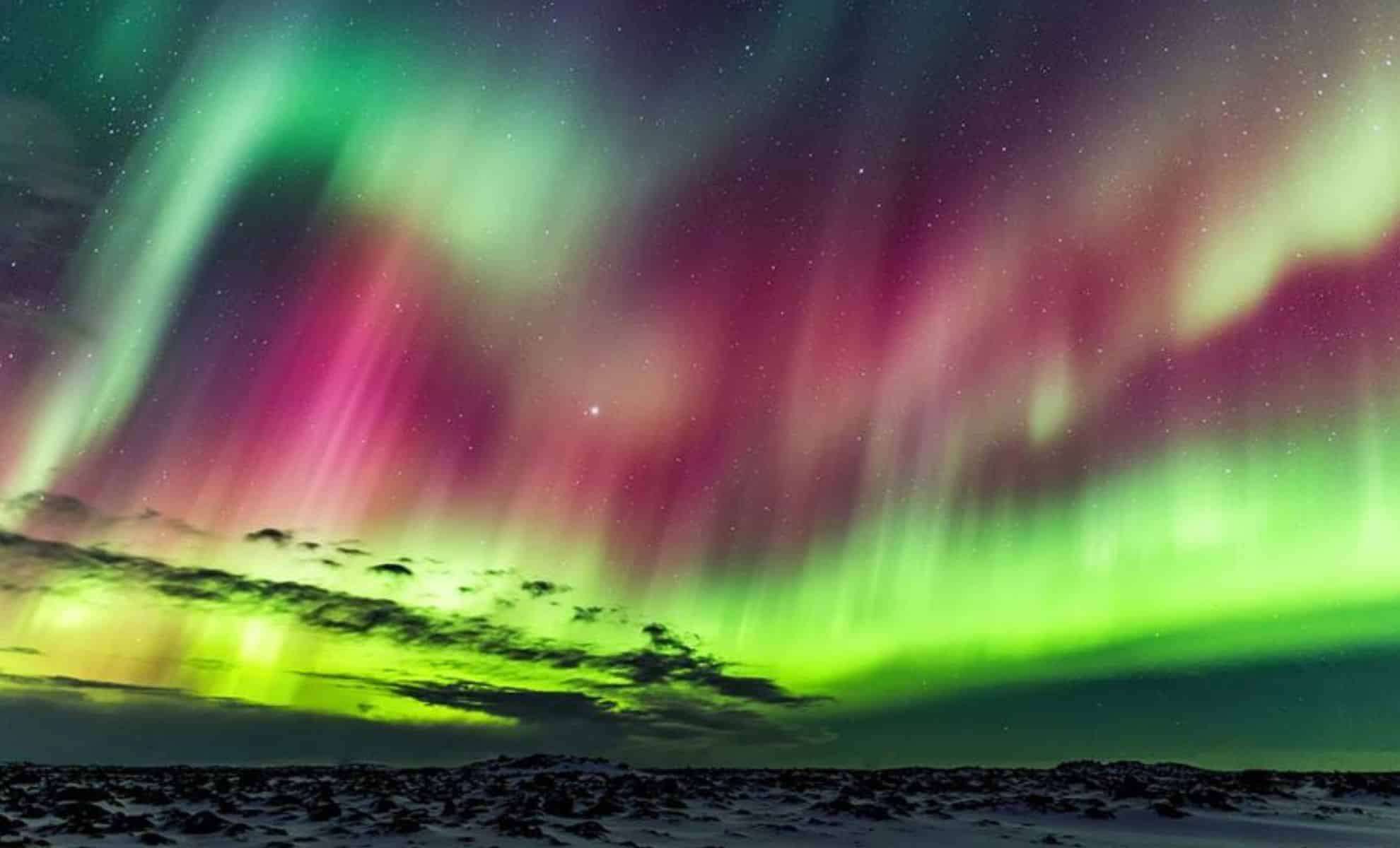
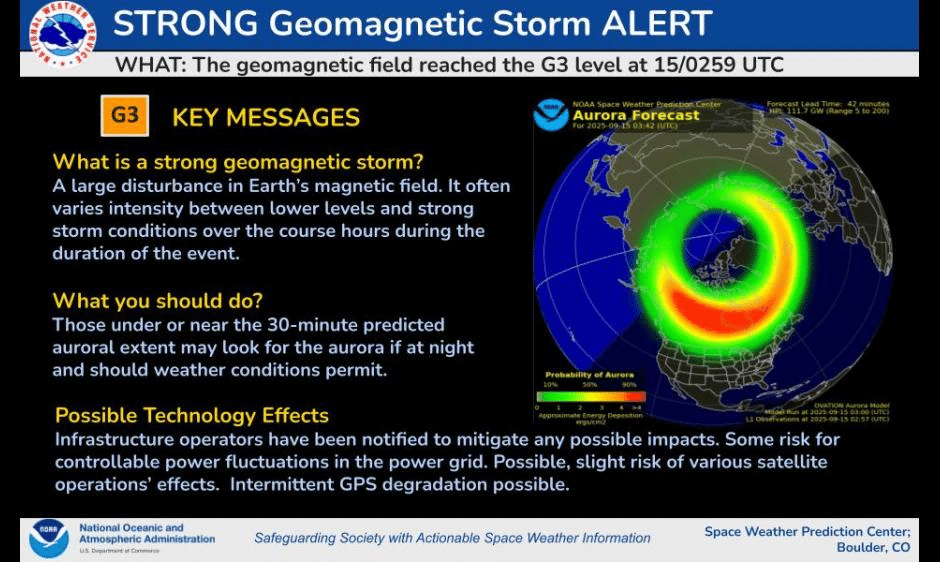
On September 15, 2025, NOAA alerted the public to an incoming G3-level geomagnetic storm triggered by a vast coronal hole emitting solar wind directly toward our planet. Enhanced by the Russell-McPherron Effect, this event may cause interruptions in satellite functions and create spectacular aurora views.
Understanding a G3 Geomagnetic Storm
A G3 geomagnetic storm represents a major solar disturbance with the potential to influence numerous Earth-based technologies. The NOAA Space Weather Scale categorizes such storms from G1 for minor to G5 for extreme severity. At the G3 level, satellite systems—especially those in low Earth orbit (LEO)—can experience complications such as orientation inaccuracies, surface charging, and communication interference. The driving force behind this storm is the continuous flow of charged particles, the solar wind, originating from a coronal hole currently facing Earth.
The NOAA specifies that this storm class may result in irregularities in satellite navigation and challenges for users relying on high-frequency (HF) radio communication. Satellites in LEO might also undergo heightened atmospheric drag, affecting their flight paths. While not as severe as G5 storms, G3 events still pose notable risks to technological infrastructure.

How Coronal Holes Amplify Solar Wind
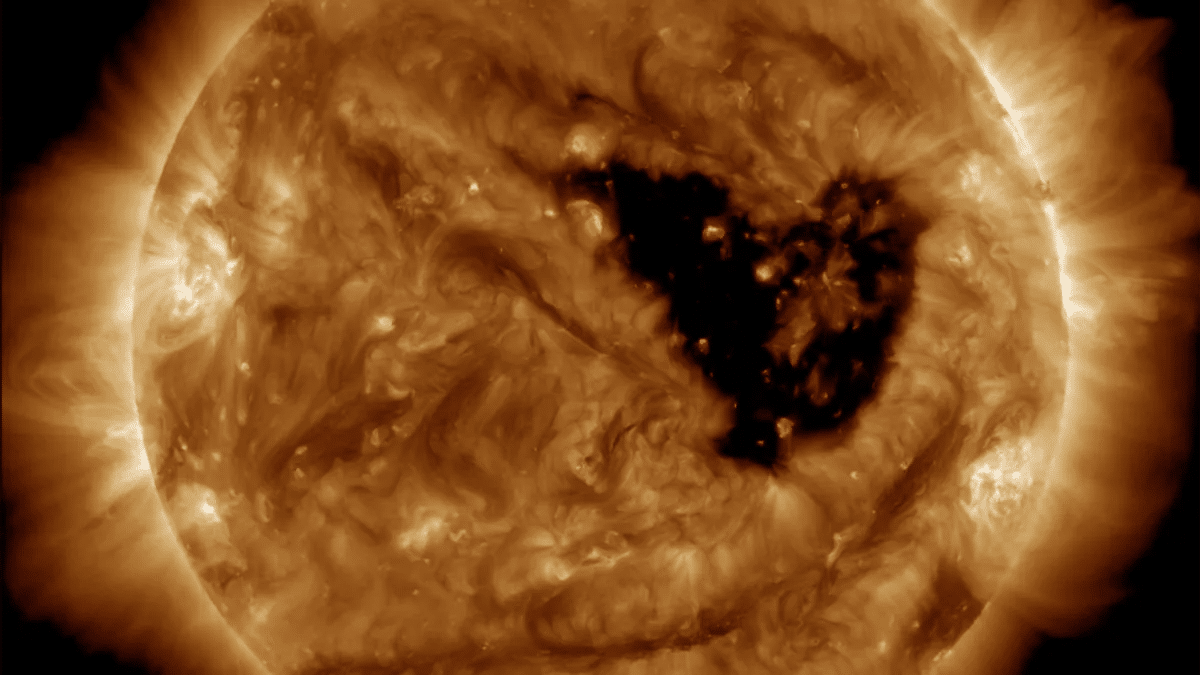
Coronal holes are cooler and less dense areas on the solar surface allowing solar wind to escape more freely. Presently, a massive coronal hole approximately 500,000 kilometers (310,000 miles) wide is directing intensified solar wind toward Earth. The magnitude of the solar wind correlates with the hole’s size, increasing the potential intensity of geomagnetic disturbances.
This process aligns with the Sun’s natural 11-year activity cycle, alternating between calm periods with sparse sunspots and active phases with frequent sunspots and flares. Currently in an active phase, solar storms are more common, particularly near equinoxes when the Russell-McPherron Effect enhances the impact of solar wind on Earth’s magnetosphere.
Consequences for Earth's Satellites and Atmosphere
During a G3 storm, the functioning of satellites can be compromised, particularly those in low Earth orbit. Elevated solar wind levels can cause surface charging on satellite components, leading to potential short circuits or sensor issues. This is critical for communication satellites dependent on accurate orientation. Increased atmospheric density due to the storm causes higher drag, which can alter satellite orbits.
An additional concern is the disruption of HF radio communication, affecting aircraft, maritime operations, and other communication-dependent systems. Power grids and GPS navigation could also experience instability if solar activity escalates further.
Enhanced Aurora Shows Provide a Bright Spot
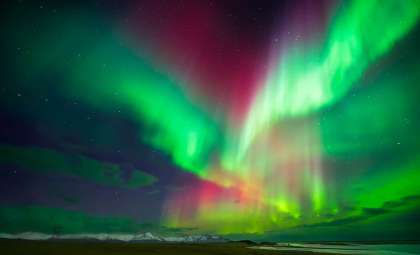
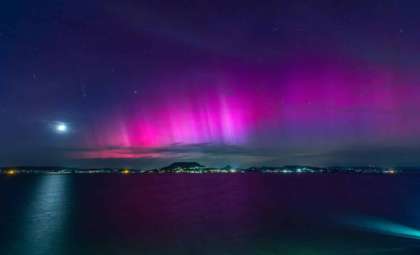
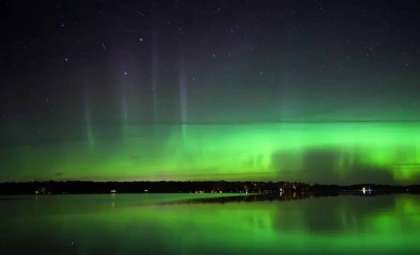
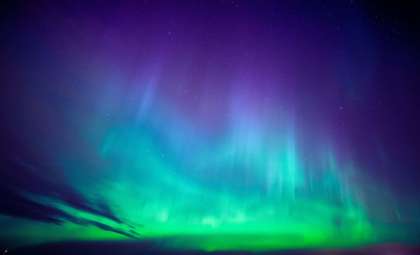
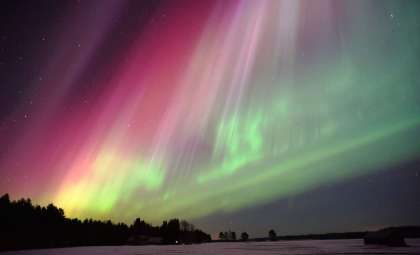
While a G3 geomagnetic storm poses technological challenges, it also leads to enhanced auroral displays. Auroras become more vivid and can be observed at lower latitudes, such as Maine and Connecticut, during recent events. This trend is likely to continue, potentially allowing residents in northern parts of the United States and the United Kingdom to witness these natural light shows.
The stunning auroras result from solar wind particles interacting with Earth's atmosphere, triggering ionization that produces colorful lights. The more southward these displays travel, the more remarkable the viewing experience for observers.
Why the Russell-McPherron Effect Intensifies These Storms
A key factor boosting this storm's strength is the Russell-McPherron Effect, which plays a pivotal role around the equinoxes. At this time, Earth's magnetic poles align nearly perpendicular to the incoming solar wind, enhancing their interaction. This process amplifies geomagnetic activity, resulting in more dazzling auroras and stronger storms. Geophysicists like Dr. Ciaran Beggan from the British Geological Survey note that this effect increases the likelihood of notable geomagnetic disturbances during equinox periods by intensifying energy transfer between solar wind and Earth's magnetic field.
- Categories:
- News



0 comments
Sign in to Comment