
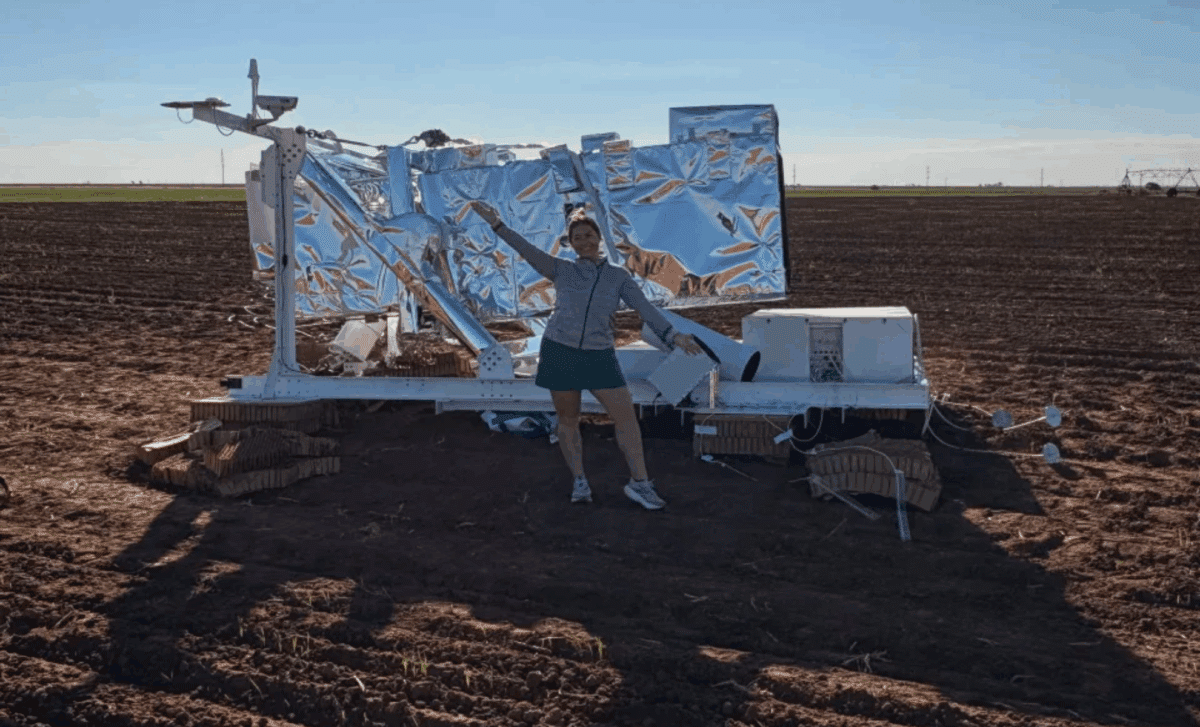
Ann Walter’s tranquil morning in rural West Texas took an extraordinary turn when she spotted an unusual object descending from the sky into a nearby wheat field. Upon closer inspection, it was revealed to be a piece of NASA’s missing research apparatus, part of a high-altitude balloon experiment that veered off course, according to AP News.
An Unexpected Object Appears Overhead
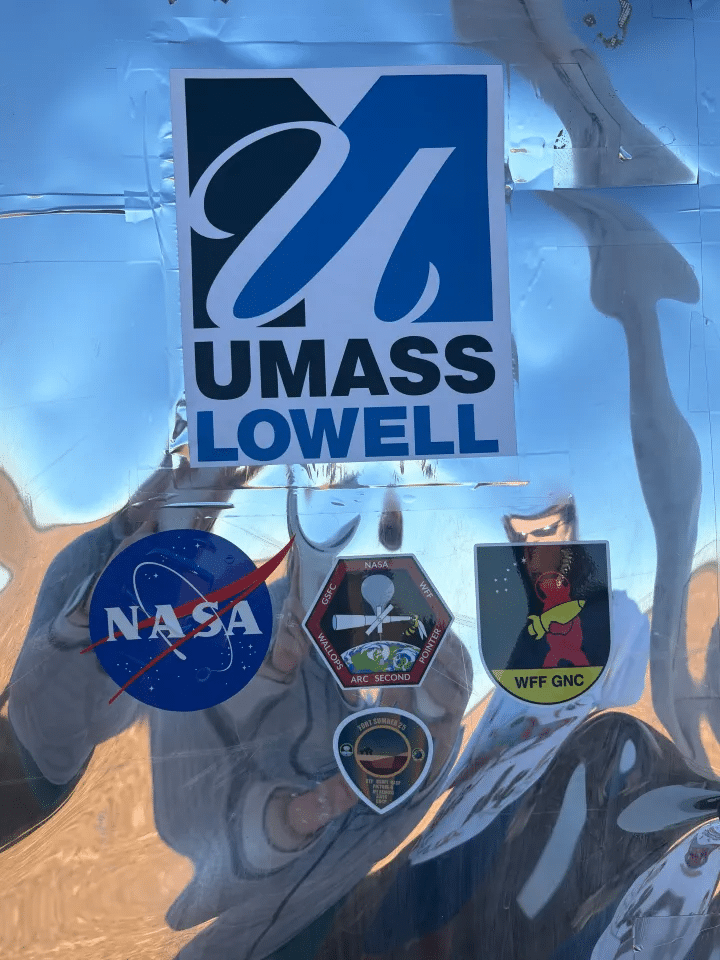
Starting her day as usual in the quiet surroundings of Edmonson, Texas, Walter was stunned to see a large item drifting above her home. Attached to a sizable parachute fluttering gently in the breeze, the object slowly descended into her neighbor’s wheat field. Marked with NASA decals, it was clear this was no ordinary debris but a significant scientific device that had landed far from its intended location.
“It’s crazy, because when you’re standing on the ground and see something in the air, you don’t realize how big it is,” Walter said. She described the parachute as being “probably a 30-foot parachute. It was huge,” emphasizing just how overwhelming the sight was.
Add Cosmo Herald as a Preferred Source

Though appearing small from afar, the object’s true size became obvious as it rested on the ground.
The NASA Equipment’s Purpose and Journey
The gear Walter encountered was part of NASA’s ambitious cosmic research conducted via high-altitude balloon missions. These unmanned balloons ascend beyond 20 miles into Earth’s atmosphere, carrying instruments designed to explore stars, distant galaxies, and black holes. The mission, launched from Fort Sumner, New Mexico, approximately 140 miles westward, aimed to expand our astrophysical knowledge.
The Columbia Scientific Balloon Facility at NASA manages these balloon launches, but this particular experiment deviated from plan. Instead of remaining aloft as intended, the vehicle’s sizable module—comparable in size to an SUV—ended up descending unexpectedly into Walter’s field.
Recovery Efforts and Local Involvement
Realizing the identity of the object, Walter promptly notified local law enforcement. She discovered NASA was already aware that their equipment was missing and was actively searching for it. Despite challenges posed by a current government shutdown impacting the agency, NASA acted swiftly after learning about the find. Walter described, “The researchers came out with a truck and trailer they used to pick it up.”
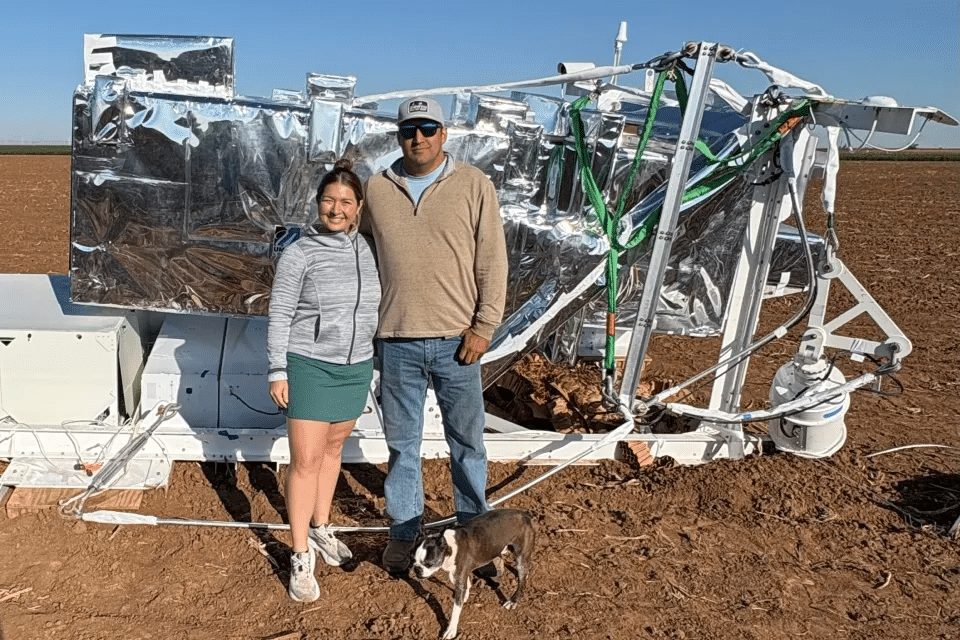
Walter and her family captured this extraordinary event through photos and videos, preserving a rare blend of everyday life intertwined with cutting-edge space science. Witnessing the enormous parachute drifting over West Texas felt like a direct link between mundane surroundings and vast cosmic exploration.
A Unique Encounter for the Walter Family
For Walter, the incident was both baffling and exciting. Living in a tranquil Texan locale, encountering NASA’s lost gear was an exceptional event. Reflecting on the experience, she said, “It’s kind of surreal that it happened to us and that I was part of it. It was a very cool experience.”
This story highlights how space investigations can unexpectedly touch ordinary lives. Though high-altitude balloon missions are vital for advancing space science, they can present unforeseen challenges. Walter’s story reminds us of the human element behind scientific exploration that extends beyond laboratories and launch sites.
NASA’s Balloon Experiments: Probing Cosmic Mysteries
NASA relies on scientific balloon missions to collect critical data from the near-space environment. These projects target fundamental astrophysical questions, including the search for dark matter, the birth of galaxies, and the properties of black holes. Balloon-borne instruments provide a unique vantage point within the stratosphere, otherwise inaccessible to most research platforms.
Walter’s experience illustrates that even well-planned missions encounter obstacles. Recovering misplaced equipment is essential not only to recoup expensive technology but also to preserve valuable scientific data. This incident underscores the adaptability and determination inherent in NASA’s quest to explore the universe, despite occasional setbacks.
- Categories:
- News





0 comments
Sign in to Comment