

In 1818, Mary Shelley crafted Frankenstein; or, The Modern Prometheus, a pioneering work that not only defined gothic literature but also laid the groundwork for science fiction. Her narrative of a scientist who brings the dead back to life continues to provoke deep reflection on the dangers of unrestrained scientific ambition and the moral dilemmas of manipulating life.
More than two centuries later, these concerns remain deeply relevant. In 2025, filmmaker Guillermo del Toro reimagined the Frankenstein legend on Netflix, exploring themes of human excess for a contemporary audience. Yet, reality has in many ways caught up with fiction.
From the electrification experiments on cadavers of the 1800s to current breakthroughs in CRISPR gene editing and brain resuscitation, the divide between imagination and experimental science has all but disappeared. Here are five startling instances where research has blurred or breached ethical frontiers once believed inviolable.

The First Gene-Edited Human Infants
In late 2018, Chinese scientist He Jiankui stunned the world by revealing he had altered the DNA of twin girls through CRISPR-Cas9 technology to confer resistance to HIV by disabling the CCR5 gene. These infants, Lulu and Nana, became the first humans born with inheritable genetic changes—a milestone long theorized but never implemented.
The revelation ignited international controversy. He’s clandestine approach skirted essential regulatory and ethical frameworks, as documented in a J Zhejiang Univ Sci B investigation, violating critical standards. The targeted gene editing raised concerns over unintended mutations, mosaicism, and unknown lifelong effects.

The story broke through a TIME exclusive exposing how He bypassed international norms and operated in a largely unregulated space. Chinese authorities condemned the work, resulting in He's three-year prison sentence.
University of Pennsylvania geneticist Dr. Kiran Musunuru condemned the experiment: “Scientific fame was prioritized over the dignity of human life. These children became unwitting participants in a questionable trial.”
Importantly, there was no compelling medical justification for the procedure. With effective HIV treatments reducing transmission risk, the initiative stoked fears of an unregulated eugenics movement driven by unchecked technological advances rather than ideology.
Reviving Brain Function in Dead Pigs
In 2019, a team at Yale University managed to restore cellular activity in pig brains four hours postmortem. Led by neuroscientist Dr. Nenad Sestan, the group utilized a system named BrainEx to pump a specialized solution through the brains, halting decay, reviving synapse function, and maintaining tissue integrity.
Their findings, published in Nature, showed no evidence of consciousness but fundamentally challenged the irreversible notion of brain death. BrainEx’s success prompts reevaluation of organ transplantation criteria, trauma assessments, and societal perspectives on the point of death.
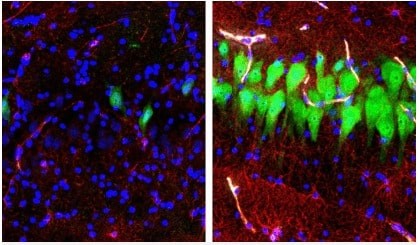
For a simplified overview, Biology Online details how this research preserved critical brain functions and limited injury during reperfusion.
Bioethicist and co-author Stephen Latham remarked, “It wasn’t a brain capable of conscious experience, but it was undoubtedly metabolically active.”
While full consciousness restoration remains a distant goal, this experiment reopened discussions about how and when life truly ceases.
The Bizarre Two-Headed Dog Experiment
In the 1950s, Soviet surgeon Vladimir Demikhov shocked the world with a procedure transplanting a puppy’s head and upper torso onto another dog, creating a canine chimera with two functioning heads. The transplanted head exhibited reflexes such as drinking water and responding to touch, surviving for nearly a month.
Although his work laid groundwork for developing organ transplantation, Demikhov’s methods defied ethical norms even at the time—lacking anesthesia, animal welfare protocols, and clear medical aims—motivated chiefly by ambition and ideology.
Published in LIFE magazine, his experiments horrified Western audiences, yet within the Soviet Union, Demikhov was celebrated—a stark example of how scientific ethics can be shaped by political context as much as by moral principles.
Head Transplantation in Monkeys
About twenty years later, U.S. neurosurgeon Dr. Robert J. White pushed the envelope by performing a full head transplant on a rhesus monkey in 1970. The primate regained consciousness, could see and hear, but remained paralyzed due to the severed spinal cord.
White claimed the operation demonstrated the viability of the brain apart from its body and suggested future therapeutic applications for terminal patients. His controversial work inspired Italian surgeon Sergio Canavero, who in the 2010s publicized plans for human head transplants, though no credible attempt has been documented.
A comprehensive historical summary and analysis of these procedures, including Canavero’s proposals, appears in the Springer Medizin scientific review, tracing progress and barriers in cranial transplants.
Despite surgical advancements and improved immune therapies, reconnecting a spinal cord remains speculative, and bioethical objections persist as significant barriers.
From Horror to Healing: The Pacemaker's Inspiration
Not all advances inspired by Frankenstein’s tale resulted in ethical quandaries. In 1957, engineer Earl Bakken was motivated by the 1931 film adaptation’s depiction of electricity animating life to create the first battery-powered pacemaker. This invention revolutionized cardiac care.
Bakken's company, Medtronic, now supports over 4.5 million patients worldwide with pacemakers. This example underscores how fictional stories can spark groundbreaking medical innovations when paired with scientific discipline and ethical responsibility.
- Categories:
- News













0 comments
Sign in to Comment