
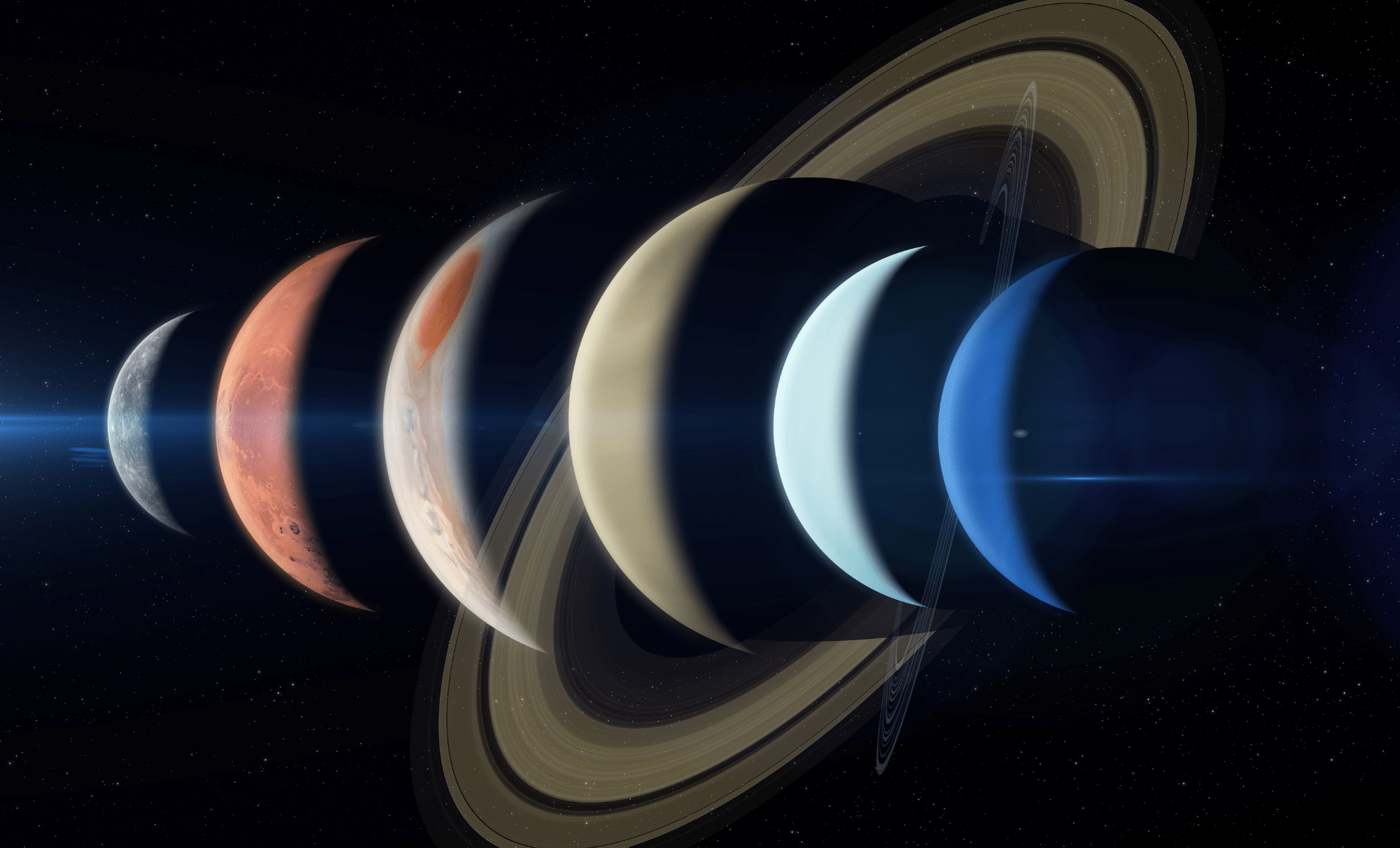
In the upcoming days, sky enthusiasts will have the chance to observe a unique celestial spectacle as five planets—Venus, Jupiter, Saturn, Uranus, and Neptune—grace the early morning sky in a rare alignment. The most notable moment arrives on September 19, when a crescent moon, Venus, and the bright star Regulus align closely. As detailed by When The Curves Line Up, this mesmerizing event will not repeat until 2028. Mark your calendars for this breathtaking view!
Decoding This Week’s Planetary Parade Phenomenon
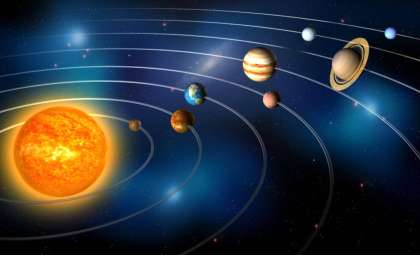
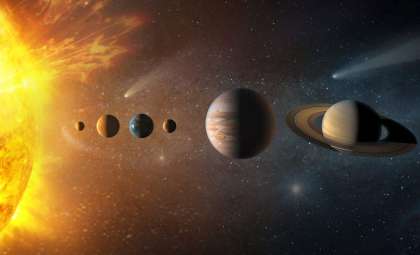
A planetary parade describes the close apparent alignment of several planets along the same region of the sky, often visible without any optical aids. This week’s parade features five planets—Venus, Jupiter, Saturn, Uranus, and Neptune—appearing in a sleek line just before dawn. Unlike transient events like meteor showers or eclipses, planet parades offer a prolonged and unobstructed celestial presentation as planets follow their orbital paths.
For an optimal viewing experience, find a spot with a clear view of the eastern horizon. The parade is visible with the unaided eye, but using binoculars or a telescope can reveal impressive details such as Saturn’s rings or Venus’s phases. This celestial showcase is the final event of its kind until October 2028, making it an extraordinary opportunity.

The Moon’s Crucial Role in This Rare Alignment
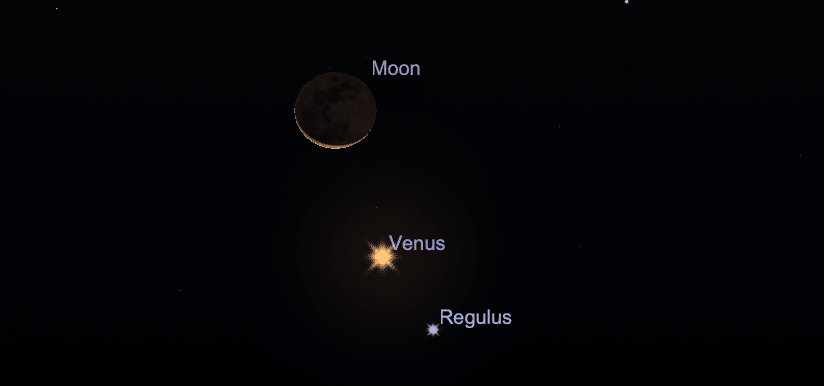
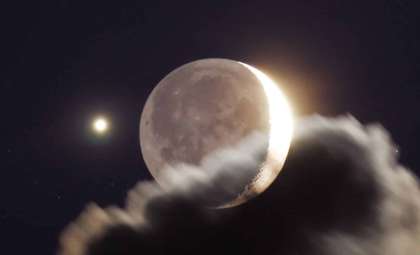
A highlight of this planetary lineup is the presence of the slender crescent moon, which will appear near Jupiter and then line up with Venus and Regulus on September 19. Stargazers will be able to appreciate all three objects within the same field of view. Astronomers emphasize the rarity of this trio, with a similar grouping not expected until 2041. The moon, illuminated at just 6%, will also display the subtle phenomenon known as “earthshine,” where sunlight reflected off Earth softly lights the darkened lunar surface—best observed with binoculars.
On September 19, the crescent moon, Venus, and Regulus will lie so close together that they can fit within the span of an outstretched thumb. This exceptional event is ideal for photography and amateur observation during the fleeting moments before dawn.
Saturn’s Opposition: A Highlight of This Week
One of the most eagerly awaited milestones during this planetary parade is Saturn’s opposition on September 21, 2025. At opposition, Saturn sits directly opposite the Sun, becoming fully lit and shining at its brightest and most detailed. Although Saturn’s rings will be angled nearly edge-on from Earth’s point of view at this time, they remain visible through a telescope, offering an unforgettable sight for observers.
This event means Saturn will rise in the east at sunset, climb to its zenith around midnight, and set in the west by sunrise. Anyone with a telescope will have an excellent opportunity to admire the planet’s stunning ring system and its crisp appearance.
Venus’s Transition: Dimming Yet Radiant
Venus, formerly known as the “Evening Star” and now the “Morning Star,” has been a prominent feature throughout 2025. However, as September advances, Venus is edging closer to the Sun and gradually losing brightness. By late September, its luminosity will decline to roughly half of its April peak. Near the year’s end, Venus will vanish behind the Sun before reemerging in the evening sky in early 2026.
Currently, Venus remains an eye-catching presence low on the eastern horizon during the dawn hours of the planetary parade. This phase offers a rare chance to witness Venus’s changing appearance in the sky.
Uranus and Neptune: The Faraway Giants Making Their Mark
Although Uranus and Neptune are too faint for the naked eye, they play a significant part in this planetary parade. Uranus will be visible near the Pleiades star cluster in the southern sky, while Neptune will be positioned above Saturn. Viewing these distant worlds requires binoculars or telescopes.
Their inclusion highlights the vastness of our solar system. Uranus, noted for its unique tilt and bluish-green hue, and Neptune, with its deep blue shade, add an element of intrigue to the parade. Even though they are challenging to spot without instruments, their presence enhances the event’s grandeur.
Where and When to Catch the Spectacle
To fully appreciate this planetary parade, timing and location are crucial. The best viewing window is roughly 45 to 60 minutes before sunrise, focusing on the eastern to southeastern sky. Venus will appear low near the eastern horizon with Jupiter slightly higher in the east-southeast, and Saturn positioned further west. Seek out a site free from obstructions and light pollution for the clearest view.
Bringing binoculars or a telescope will enrich your experience by revealing finer details like Saturn’s rings or the subtle earthshine on the moon.
Why This Planet Parade Stands Out
This week’s planetary parade is exceptional because it is the last five-planet alignment visible until October 2028. Encounters featuring five naked-eye planets are rare, presenting a unique chance for observers to enjoy multiple worlds simultaneously.
Further elevating this event is the crescent moon’s rare conjunction with Venus and Regulus, an alignment that won’t recur until 2041. The next similar five-planet alignment will only occur near the decade’s end. Those who miss this event face a long wait, making this week’s celestial gathering a must-see.
- Categories:
- News




0 comments
Sign in to Comment