
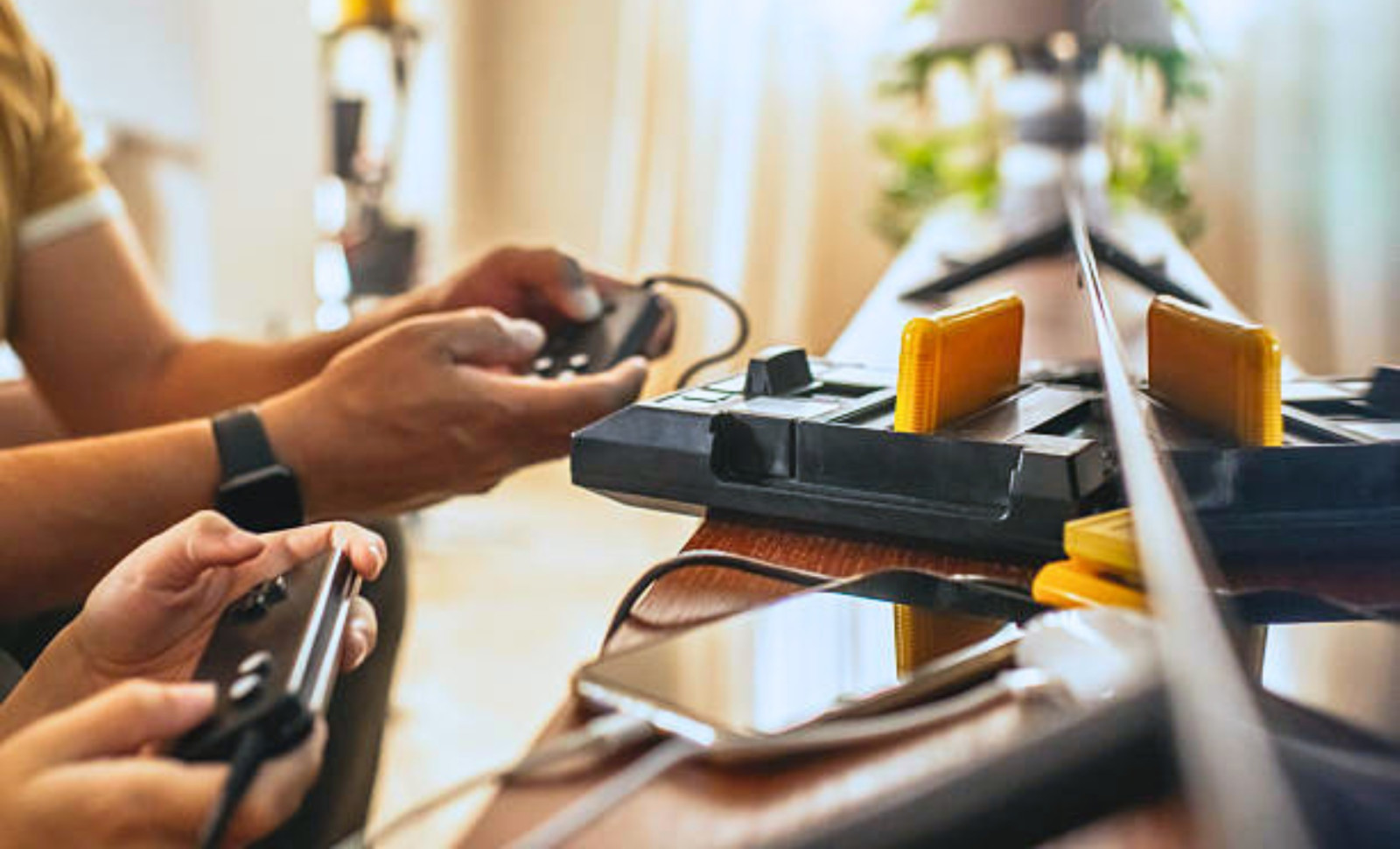
A familiar chiptune soundtrack fills the room. The title screen shines just as it did years ago. Holding the game controller on the couch, a fleeting sense of comfort emerges—only to vanish moments later.
The captivating allure that once held attention for hours now fades in minutes. Psychological studies point to a cause beyond outdated graphics or awkward gameplay: it lies within the player themselves.
Research into the psychology of retro gaming among adults reveals that these players aren’t simply seeking entertainment. Instead, they’re often unconsciously grasping for a former self no longer present.

How Memory Shapes, Rather Than Replays, the Past
The yearning drawing adults back to classic games stems from a complex form of nostalgia, but not a straightforward nostalgia. Cultural critic Svetlana Boym, in her essay for the Hedgehog Review, portrayed nostalgia as “a longing for a home that no longer exists or has never existed.” She described it as both a sense of loss and a romanticized fantasy.
Boym categorized nostalgia into two types: restorative nostalgia, which aims to reconstruct the lost past, and reflective nostalgia, which dwells on yearning itself, often tinged with irony or melancholy. Retro gaming experience rides the fine line between these forms. Players recognize they can’t perfectly reclaim the past, yet the desire persists.
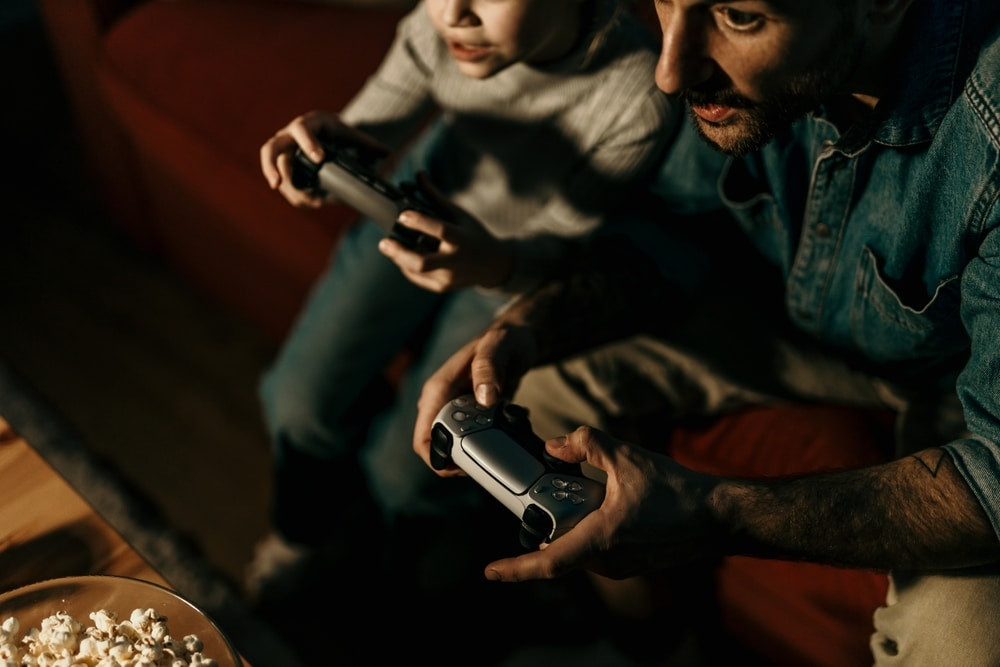
The brain intensifies this effect. Psychologists identify a reminiscence bump, where memories from adolescence and early adulthood are encoded with exceptional clarity. As identity forms strongly during this phase, emotional experiences imprint more deeply than at other times.
When revisiting a game from childhood, the remembered software fuses with recollections of the younger self who played it. The mind smooths over harsh elements like frustrating difficulty or long loading waits, emphasizing moments of triumph. The nostalgic memory shines brighter than the actual gameplay ever did.
The Challenges of Recapturing Childhood Flow States
Memory isn’t the only factor that shifts with age. Adults play differently than children. As youths, gamers slid effortlessly into what psychologist Mihaly Csikszentmihalyi termed a flow state, where complete absorption alters time perception and moves feel instinctive.
Csikszentmihalyi shared this concept during a TED talk: “Flow is a mental state where a person is fully engaged by an activity, losing track of time with unbroken focus and natural ease.”
The flow experience hinges on a careful match between challenge and ability. If a task is too simple, boredom ensues; too hard, anxiety spikes. Adults’ accumulated skills make once-tough challenges predictable and easy, stripping away this critical balance.
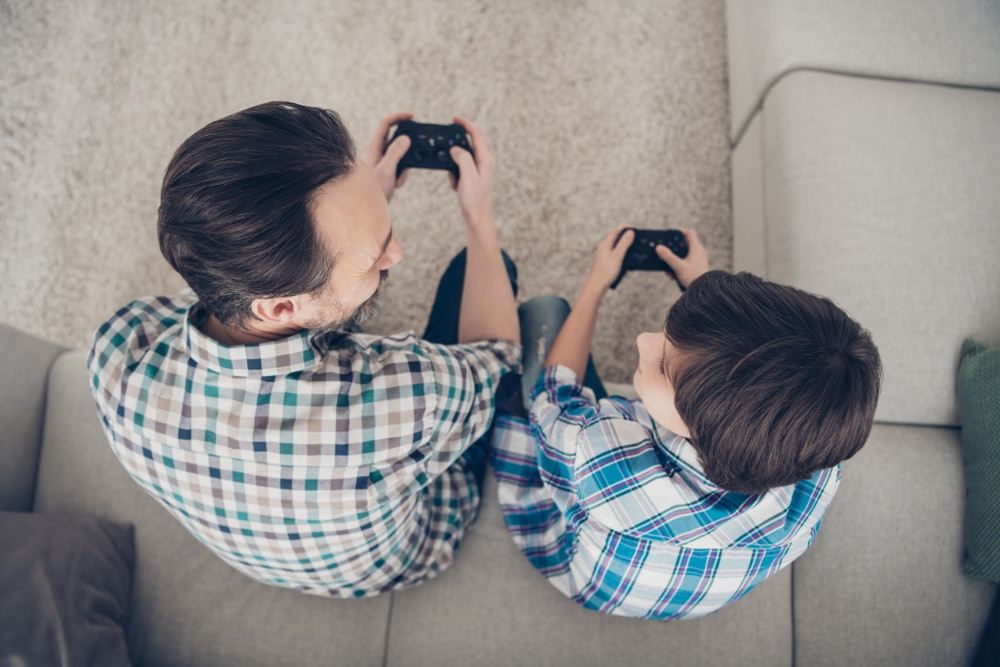
Simultaneously, adult responsibilities demand mental energy. Thoughts about deadlines, bills, or meals linger, making total immersion difficult. Whereas children can block out outside concerns, adults struggle to quiet the constant hum of obligations.
The game itself hasn’t worsened; the player’s cognitive and emotional state has evolved, disrupting the immersive experience that childhood gaming once offered.
Remembering Versus Reliving Experiences
Neuroscientist Endel Tulving, writing for the Annual Review of Psychology, distinguished between semantic memory and episodic memory. Semantic memory contains factual information, while episodic memory allows a person to mentally revisit past moments complete with emotions.
Tulving described episodic memory as a mechanism enabling “mental time travel,” letting people re-experience previous events with full awareness. He noted it appears specific to humans, develops late, and declines relatively early, also being especially vulnerable to brain injury.

This contrast illuminates retro gaming. A player might recall puzzle solutions or item names—that’s semantic memory. Yet the deeper draw is episodic: the game cartridge acts as a trigger, opening access to the Saturday morning mood, a friend lounging nearby, sunlight through a window. Playing is less about gameplay itself than briefly sensing the child they once were.
Tulving suggested episodic memory requires three elements working together: awareness of subjective time, autonoetic consciousness (the feeling of re-living), and a sense of self. Starting a childhood game activates all of these simultaneously.
Understanding Memory’s Fluid Nature
Memory is a dynamic process involving encoding, storage, and recall—not a static recording. “Remembrances consist of encoded sets of interacting information,” experts explain, highlighting that forgetting is heavily influenced by these interactions.
Forgetting serves an important adaptive role, helping the brain organize experiences in time. Older memories fade while recent events stay vivid, providing temporal context. Without this, outdated behaviors could persist beyond their usefulness or harm safety.
The childhood game remembered in the mind today isn’t identical to the data on the original cartridge. Over time, selective memory and affection have transformed it into an idealized experience that reality can’t replicate. Boym summed it up by saying nostalgia “mourns the impossible return to a magical world with clear boundaries and values.”
It’s not the game that changed; it’s the player. No amount of replaying can bridge that divide.
- Categories:
- News












0 comments
Sign in to Comment