
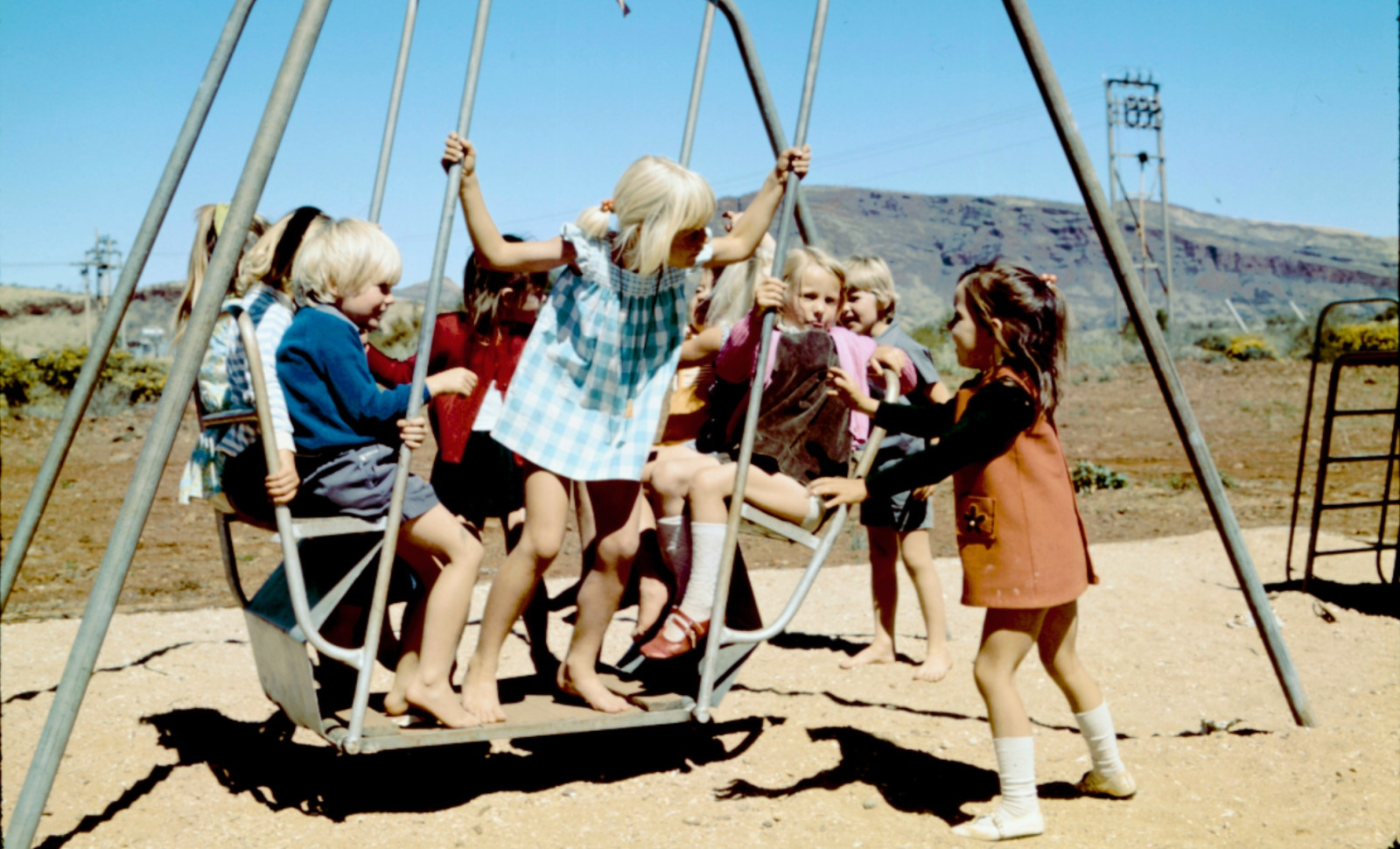
In Saigon, a mother quietly observes her four-year-old daughter crafting the rules for an imaginary game, negotiating with unseen peers, and developing her own sense of logic. She resists intervening, recognizing this process from stories her mother shared about similar childhood summers spent in rural Australia during the 1970s.
Recent research released on April 27 integrates decades of developmental studies and suggests that children raised with unstructured play, without mandatory playdates or continuous adult supervision, cultivated a stronger internal sense of control than many youngsters today. Experts link the erosion of this self-agency to rising rates of youth anxiety and depression over the same period.
Psychologists term this concept the internal locus of control, which is the belief that one’s own decisions and actions have a direct influence on their life outcomes.

How Boredom Builds Mental Resilience
Peter Gray, an evolutionary psychologist at Boston College, has extensively researched the effects of free play. In an article for the American Journal of Play, he chronicled a significant decline in children’s free play beginning around 1955. Simultaneously, children’s anxiety and depression rates, along with feelings of helplessness, climbed sharply.
Gray defines free play as child-initiated and self-directed activities—not structured sports or organized lessons. When kids create their own games and enforce their own rules, or endure boredom until they discover ways to entertain themselves, they develop skills that no formal activity can impart.
“During play, children must choose their actions and solve their own challenges,” Gray explained. “Without chances to govern their own behavior and decisions, children grow up feeling powerless over their lives and destiny.”
The Generational Surge in Helplessness
Backing this perspective, Jean Twenge of San Diego State University led a study published in Personality and Social Psychology Review analyzing the Rotter Internal-External Locus of Control Scale scores among American youth between 1960 and 2002.
The shift was dramatic. By 2002, the typical young person exhibited a more external locus, believing outside forces dictated their life more than 80% of youths from the early 1960s. This growing sense of helplessness was more pronounced in children than college students and correlated closely with rising anxiety and depression. Gray notes helplessness is a major risk factor for developing depression.
The Legacy of 1970s Childhood Experiences
Children in the 1970s often spent unstructured hours outdoors, free from adult planning. They wandered until dusk, without phones or schedules, managing disputes themselves. Through roughhousing, rule-making, and overcoming boredom unaided, they developed friendships and confidence.
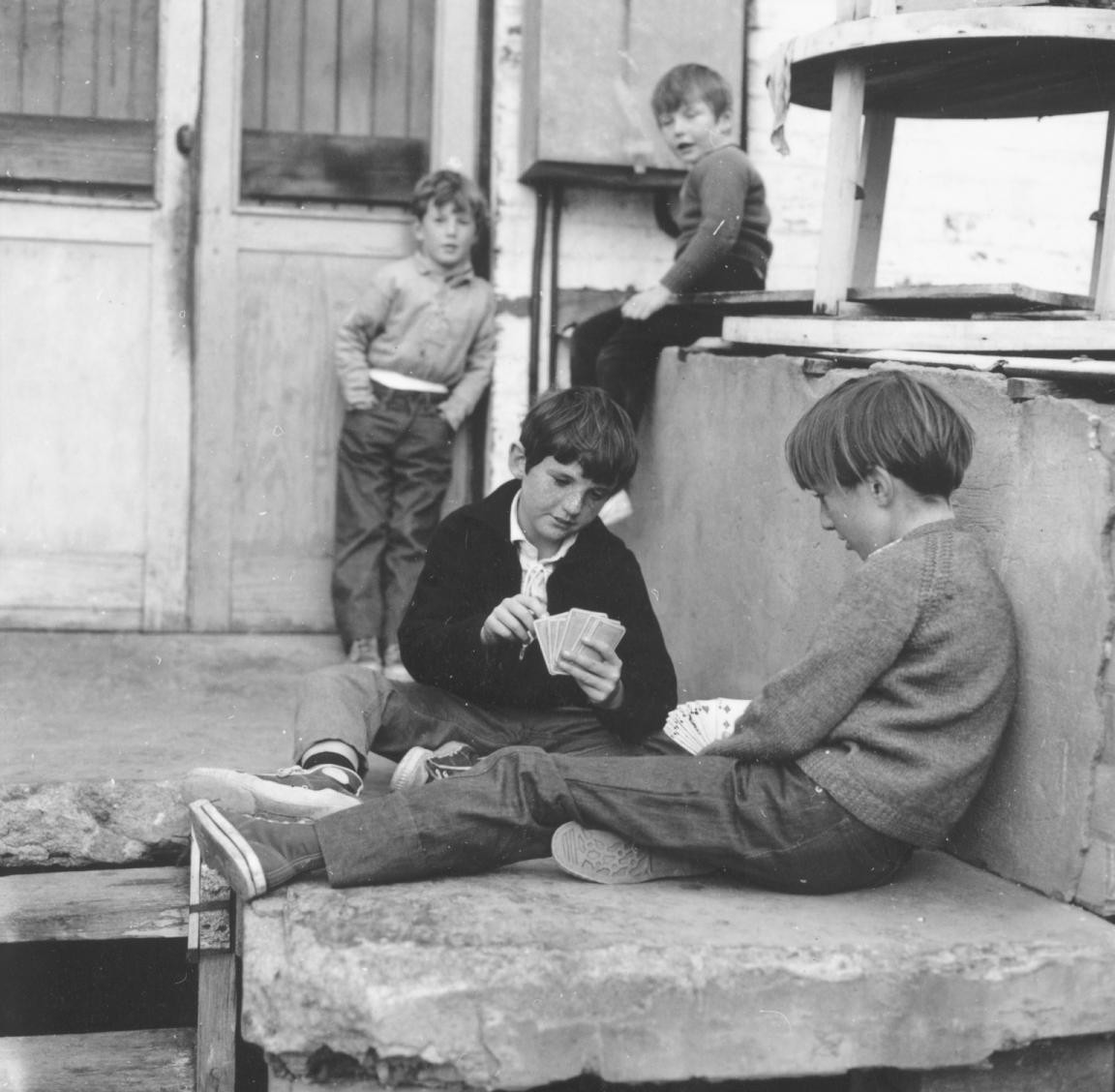
The study describes this as “ownership”: children controlled their time and choices, without adults shaping their experiences. This fostered a quiet assurance that they could navigate whatever challenges came their way. Gray terms this an internal locus of control developed through hands-on experience in decision-making and consequence management.
A New Era: From Creekside Freedom to Structured Days
From the 1980s onward, adult control over children’s time intensified, fueled by safety concerns, heavier academic demands, and the belief that a proper childhood requires a full schedule, replacing vacant hours with planned activities.
Researchers at the University of Michigan documented part of this transition: between 1981 and 1997, free play among 6-to-8-year-olds dropped by 25%, while homework time soared 145%, and time spent shopping with parents rose by 168%. Outdoor play, which involves the least structure, likely declined even more sharply.

According to Gray’s article, this change meant kids lost their role as architects of daily life and became subjects within adult-designed schedules. Essential skills like navigating problems alone, handling disappointment, settling conflicts without authority, and recovering from failures develop only with real freedom, including the liberty to make mistakes.
Evidence from Youth Mental Health Trends
Twenge’s analysis of Minnesota Multiphasic Personality Inventory data, administered to high school and college students for decades, reveals that average anxiety and depression scores have risen by approximately one standard deviation compared to 50 years ago. The rate of young people exceeding clinical thresholds for anxiety or depression is now 5 to 8 times higher than in the 1950s.
Suicide rates among teens tell a similar story: from 1950 to 2005, the suicide rate for children under 15 quadrupled, and for adolescents and young adults more than doubled. Meanwhile, suicide incidences declined in adults over 40. Twenge ruled out links to economic cycles, wars, or major events, concluding these trends align with youths' diminished perceptions of personal control rather than external factors.
Rise of Narcissism and Vulnerable Self-Image
Between 1982 and 2007, narcissistic personality traits surged among young people. By 2007, nearly 70% of college students scored higher in narcissism compared to the average student in 1982.
Gray clarifies this paradox: narcissism reflects a fragile defense mechanism rather than healthy self-esteem. Narcissistic individuals frequently experience anxiety and depression when confronted with realities that clash with their inflated self-perception. They often attribute failure to external causes, consistent with an external locus of control.
Social play’s role in curbing narcissism is vital. Free play enforces accountability since no child tolerates arrogance. A player who feels slighted can leave, risking the game’s collapse if too many quit. Remaining in the game demands attention to others’ feelings, promoting cooperation among equals. This dynamic cannot be replaced by adult praise.
- Categories:
- News













0 comments
Sign in to Comment