
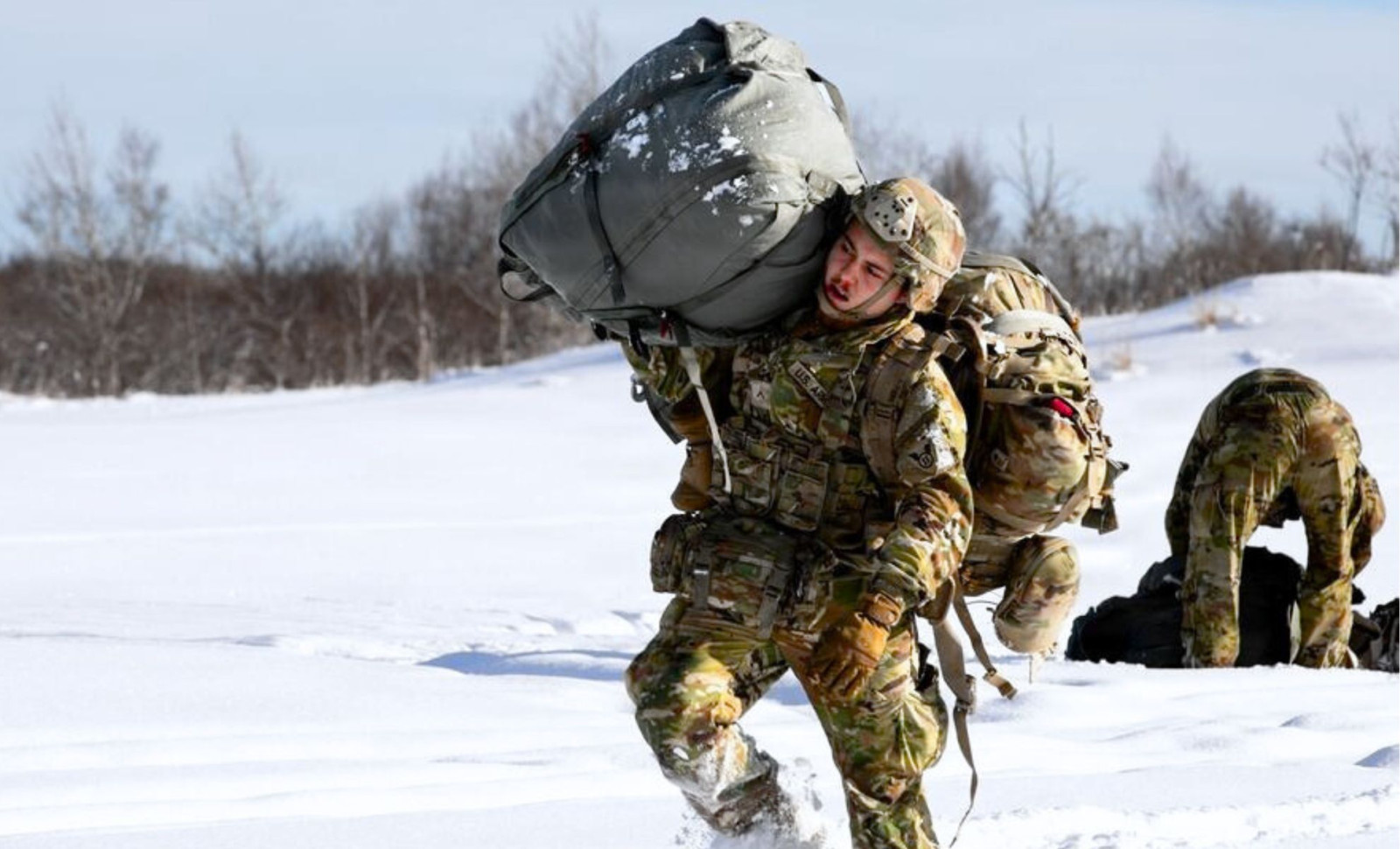
Unexpected animal encounters interrupted a joint multinational Arctic combat exercise in northern Japan last January, causing major changes to carefully planned military parachute operations. These disruptions happened days before a large-scale airborne assault drill involving hundreds of U.S. and allied service members on the northern Japanese island of Hokkaido.
The creatures involved were no training simulation; they were real, territorial bears increasingly active throughout rural Japan. Commanders leading the drills quickly addressed the unexpected wildlife threats.
Forces Conduct Cold-Weather Training to Boost Arctic Warfare Capabilities
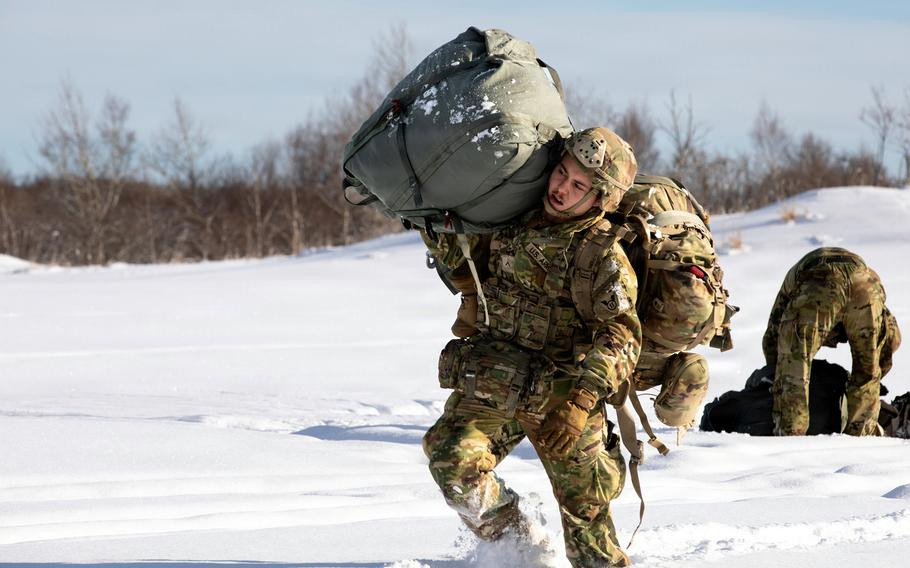
Starting January 20 and continuing through February 3, Exercise North Wind 26 unified components from the U.S. Army's 11th Airborne Division, the Japan Ground Self-Defense Force (JGSDF), Canadian cold-weather troops, and British support staff. Hosted in Hokkaido, the region's harsh terrain and frigid climate serve as a challenging stand-in for realistic Arctic combat situations.

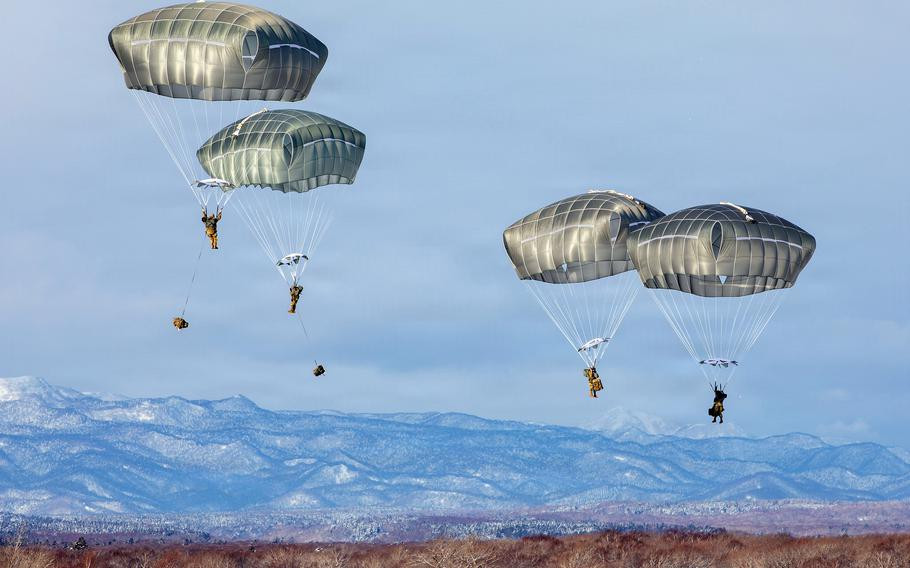
Alaska-based U.S. paratroopers from the 3rd Battalion, 509th Parachute Infantry Regiment executed a strategic airborne drop into the Hokudai-en Large Training Area on January 22. The operation focused on securing snow-laden positions where typical ground tactics struggle and supply lines become vulnerable. Key training elements included ski maneuvering, cold-weather medical response, and integrated mortar fire support.
UH-60 Black Hawk helicopters operated by U.S. Army Aviation Battalion Japan conducted flights under low-visibility conditions, simulating troop insertions, extractions, and resupply missions amid snowstorms. These flights aimed to sharpen coordination between air crews and ground forces battling icy and windy weather challenges.
Further details can be found at Army Recognition, which highlighted how North Wind 26 focuses on sustaining military operations in extreme cold across Hokkaido. Emphasis was placed on mobility, interoperability, and tactical adaptability in severe winter conditions.
Bear Sightings Near Drop Zones Prompt Safety Precautions
Before the jump, Marine recon units from the III Marine Expeditionary Force reported four separate bear encounters during advance patrols at the Ojojibara Maneuver Area in Miyagi Prefecture on Honshu island. These events were confirmed by Lt. Col. Cody Grimm, commander of the 3rd Battalion, 509th Parachute Infantry Regiment, in an interview with Stars and Stripes.
"The Marines had four bear encounters," Grimm remarked. "They used bear spray promptly, with a backup team deploying additional spray and fireworks for deterrence."
No injuries occurred, and bears were successfully driven off using humane, non-lethal methods. Although these incidents happened several hundred kilometers away from Hokkaido, they raised important safety concerns for ongoing military exercises in wildlife-populated rural areas of Japan.
Rising Bear Activity Spurs Military and Conservation Measures
Japan has seen a notable rise in bear encounters, including attacks, over recent years. Data from the current fiscal year ending March 31 reveals 13 fatalities and more than 200 injuries linked to such incidents. The increase prompted the Japan Ground Self-Defense Force to deploy personnel in November 2025 to support affected communities.
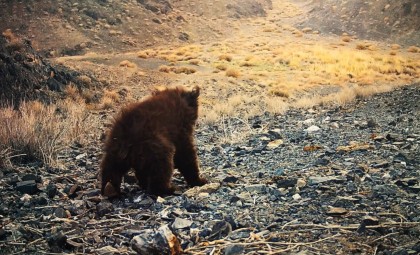
Experts suggest several factors behind this growth: expanding forests, scarcity of natural food sources, a declining rural workforce, and reduced hunting licenses have allowed both Japanese black bears and the larger Ussuri brown bears to advance into human and operational zones. The Ussuri brown bear, native only to Hokkaido, can exceed 400 kilograms and poses a formidable threat compared to its smaller mainland relative.
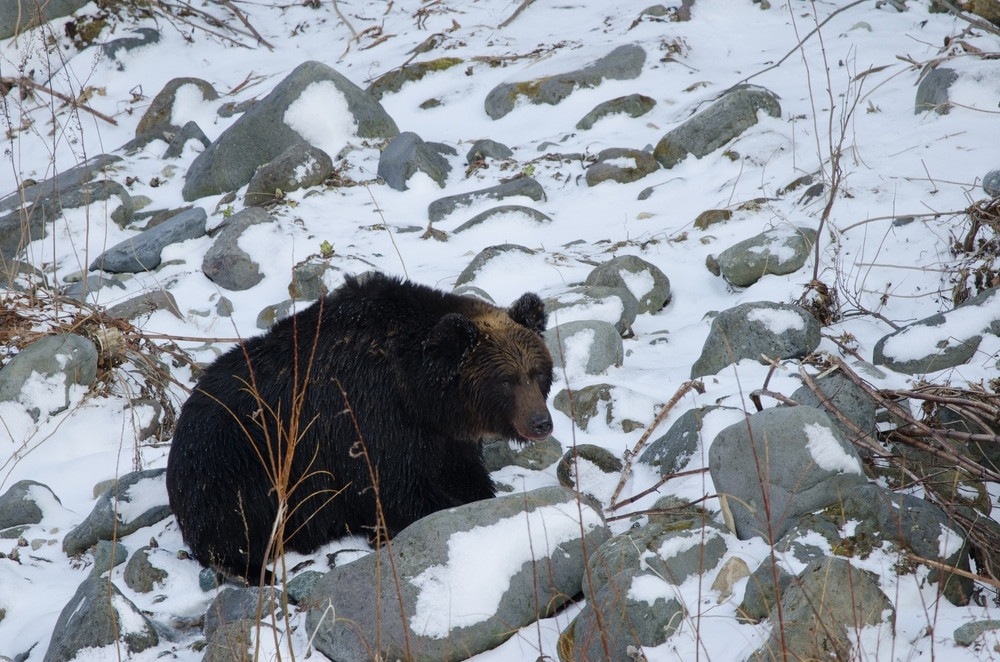
According to the Ministry of Agriculture, Forestry and Fisheries, Japan’s bear population was approximated at 11,700 in 2020, representing more than double the number recorded in the early 1990s. This trend continues and complicates civilian life and military operations in forested regions.
Broader Impact of North Wind on Arctic Operational Readiness
The growing scale of North Wind 26 underscores a strategic pivot towards Arctic combat preparedness and enhanced cooperation among joint forces in cold, high-latitude theaters. Following the 2022 reactivation of the 11th Airborne Division, the U.S. Army has intensified its focus on cold-weather warfare within the Indo-Pacific region.
Ski mobility played a critical role, used not merely as a skill but as a key tactical movement method over deep snow where vehicles falter. This enabled repositioning of crew-served weapons, distribution of ammo, and maintenance of patrols across otherwise inaccessible ground.
Extensive mortar drills were conducted with U.S. forces employing the M252A1 81 mm mortar, a lightweight, rapid-fire system optimized for airborne and cold-weather units with a 6-kilometer range. Concurrently, the JGSDF utilized 120 mm rifled towed mortars capable of higher explosive yields and extended reach beyond 8 kilometers using rocket-assisted rounds. Together, these mortars provide layered indirect fire support tailored to dynamic winter combat scenarios.
Aviation units enhanced operational resilience, with Black Hawk helicopters perfecting snowy landings and medical evacuation techniques amidst adverse weather. Such air operations are vital where overland supply routes may be slowed or cut off due to environmental obstacles.
- Categories:
- News











0 comments
Sign in to Comment