
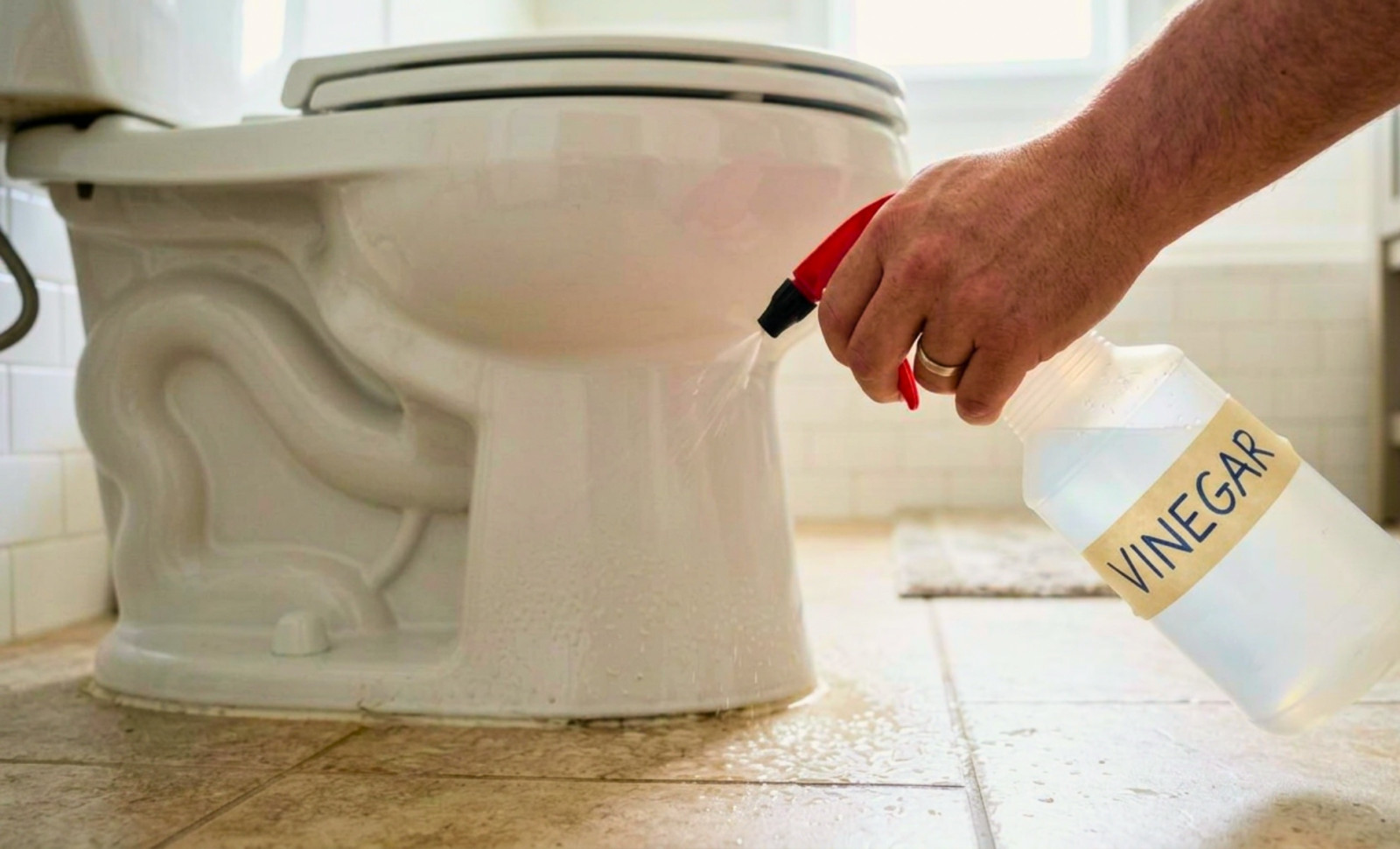
Often overlooked, the area surrounding the toilet can hold stubborn stains and odors, despite frequent bowl cleaning. People usually focus on scrubbing inside the bowl and neglect the floor edges, where grime and smells linger.
Introducing a spray of white vinegar around the toilet's base changes this approach. It treats the floor joints and the space behind the toilet as essential cleaning zones rather than afterthoughts. Cleaning professionals endorse this technique, especially for bathrooms with high traffic or lingering odors.
The science behind it is simple. White vinegar possesses antibacterial and odor-neutralizing abilities that effectively combat urine odors and inhibit bacterial buildup in grout and floor crevices. It also breaks down mineral deposits formed by water hardness and dampness, which contribute to the yellow stains that develop over time.

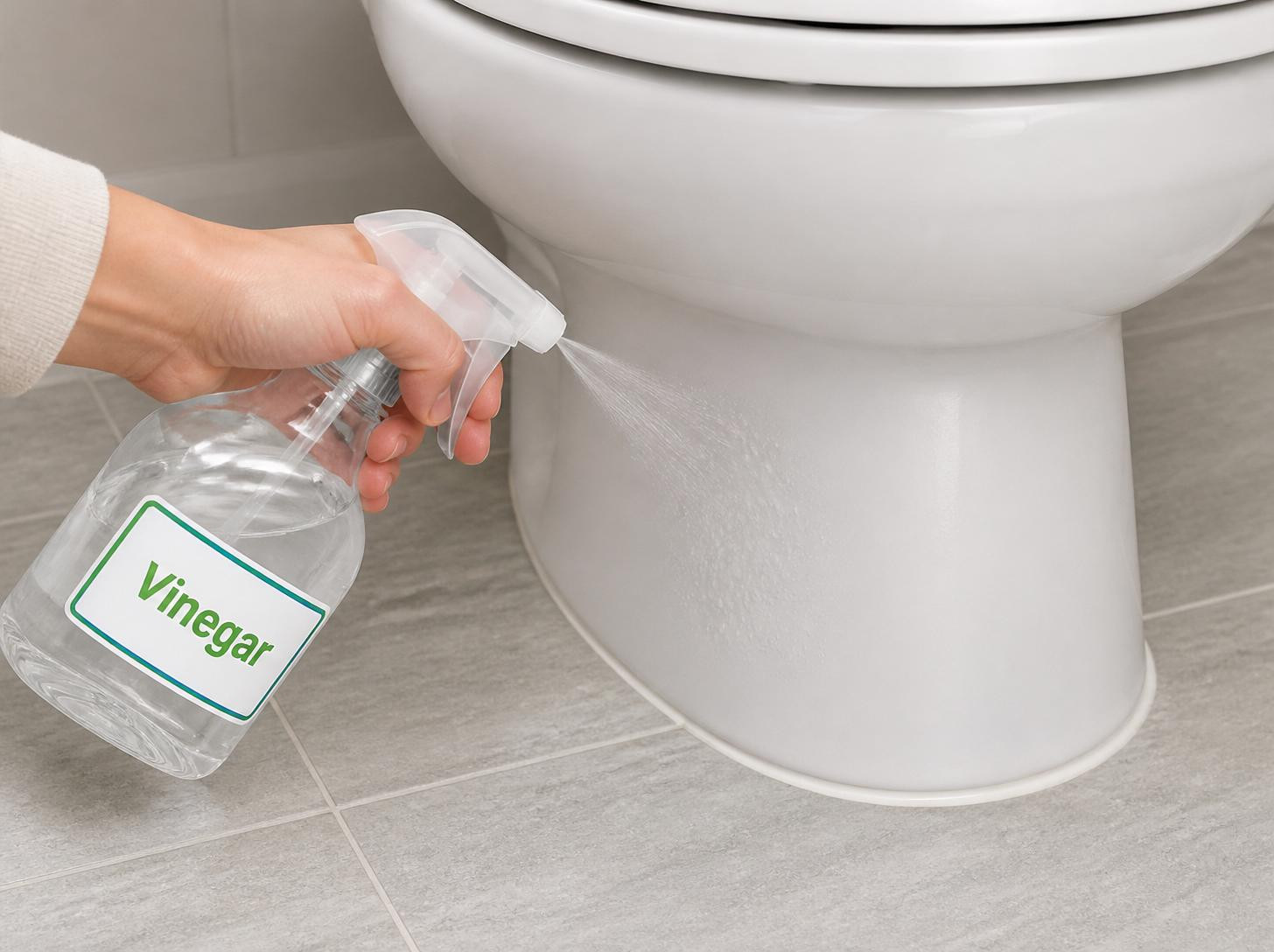
The process is quick and easy. Spray vinegar around the toilet base, onto the adjacent floor, and behind the fixture. Let it sit for 10 to 15 minutes before wiping away with a damp cloth or paper towel. For tougher areas, apply some scrubbing. Some add lemon juice or essential oils for fragrance, though plain white vinegar is effective on its own. For bathrooms prone to dampness or heavy usage, doing this two to three times per week is recommended.
Additional Cleaning Oversights to Consider
While vinegar addresses one cleaning blind spot, experts highlight several more common oversights.
Carolyn Forté, executive director of the Good Housekeeping Institute Home Care & Cleaning Lab, shared with Good Housekeeping in March 2026 that many people rush toilet cleaning, preventing disinfectants from working effectively. “Several disinfecting products require minutes of contact time to eradicate germs,” she explained. Skipping this waiting period leaves bacteria behind and necessitates more vigorous scrubbing later.
Her cleaning sequence prioritizes sufficient contact time. First, she coats the interior bowl and under the rim with a bleach-based toilet bowl cleaner. Once scrubbed, it remains for five minutes before flushing. Without a dedicated cleaner, half a cup of undiluted bleach provides the same results after the wait.
Next, the toilet’s exterior is treated. Forté applies an all-purpose bathroom disinfectant to the tank, outer bowl, and sides in sections, keeping them wet for 10 minutes to meet product label disinfecting times. The narrow space between the tank and seat receives equal attention.
The toilet seat and lid are sprayed on all sides and left damp for the full prescribed contact time. Forté emphasizes disinfecting the flush handle at the end with a wipe to reduce high-touch contamination and allowing it to air dry.
Combating Hard Water Rings More Slowly
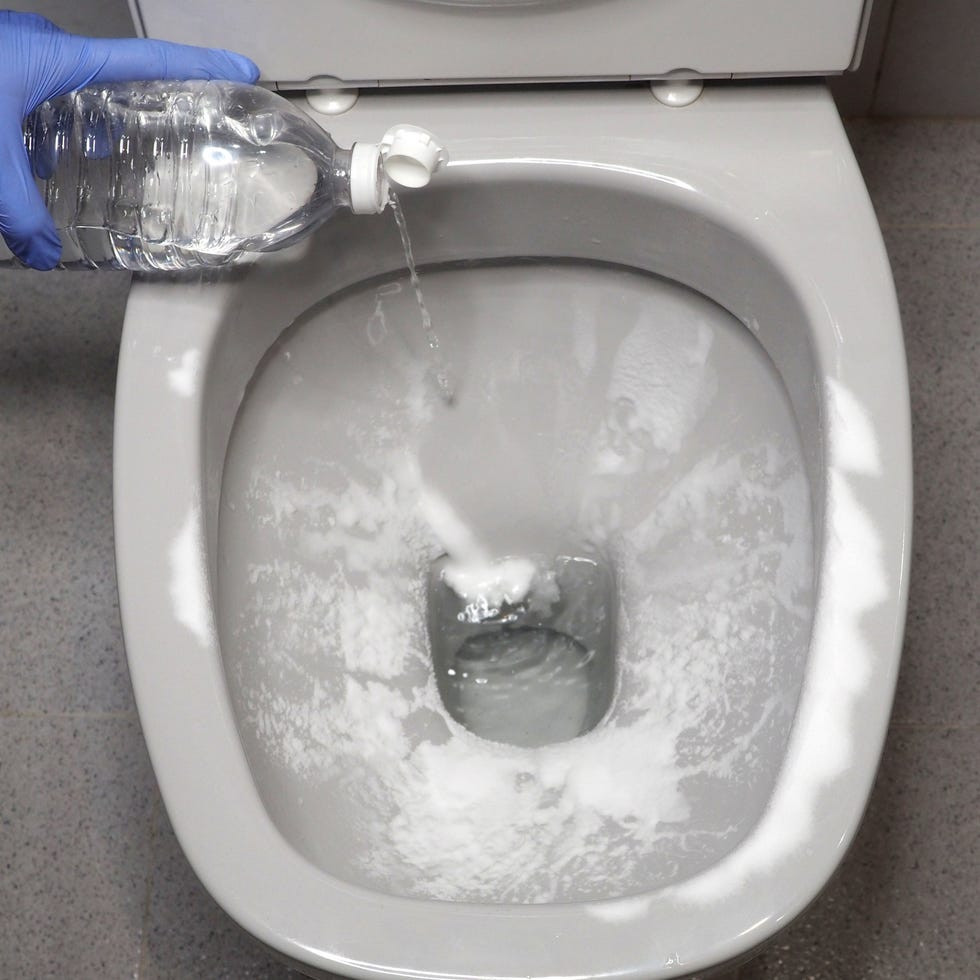
Besides perimeter spraying, vinegar is useful inside the bowl but requires a longer contact period. Forté advises draining the bowl, pouring enough white vinegar to cover the waterline, and closing the seat overnight. This allows the vinegar to soften mineral buildup effectively.
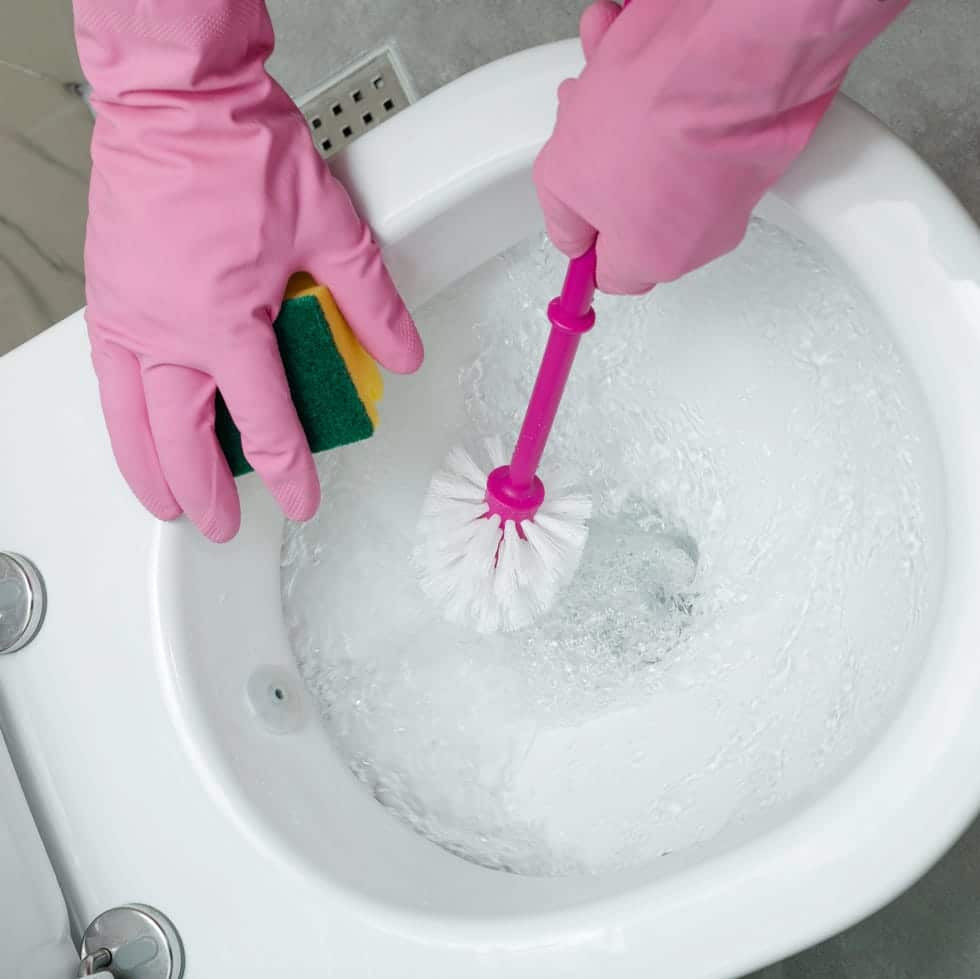
The following morning, add one cup of baking soda. Pour more vinegar to induce fizzing, which loosens stubborn deposits. After scrubbing with gloves and flushing, repeat if needed. An alternate method stirs the vinegar and baking soda solution with a toilet brush before rinsing.
Cleaning Frequency and Brush Hygiene
How often toilets require full disinfection depends on circumstances. Forté recommends sanitizing every two to three days if someone is ill. In healthier conditions, a weekly or biweekly schedule is sufficient, adjusted according to household size and bathroom use.
Cleaning tools present challenges too. Brushes kept wet in holders can breed mold. Forté suggests disinfecting brushes with spray and storing them between the seat and bowl to dry without contact with water. Gloves and sponges should soak in three tablespoons of bleach per quart of water for five minutes, then air-dry.
The vinegar spray on the toilet base supports regular maintenance several times weekly, while thorough internal disinfection occurs less often. Both share the crucial principle emphasized by Forté and other experts: allowing disinfectants the necessary time to work on surfaces.
- Categories:
- News









0 comments
Sign in to Comment