
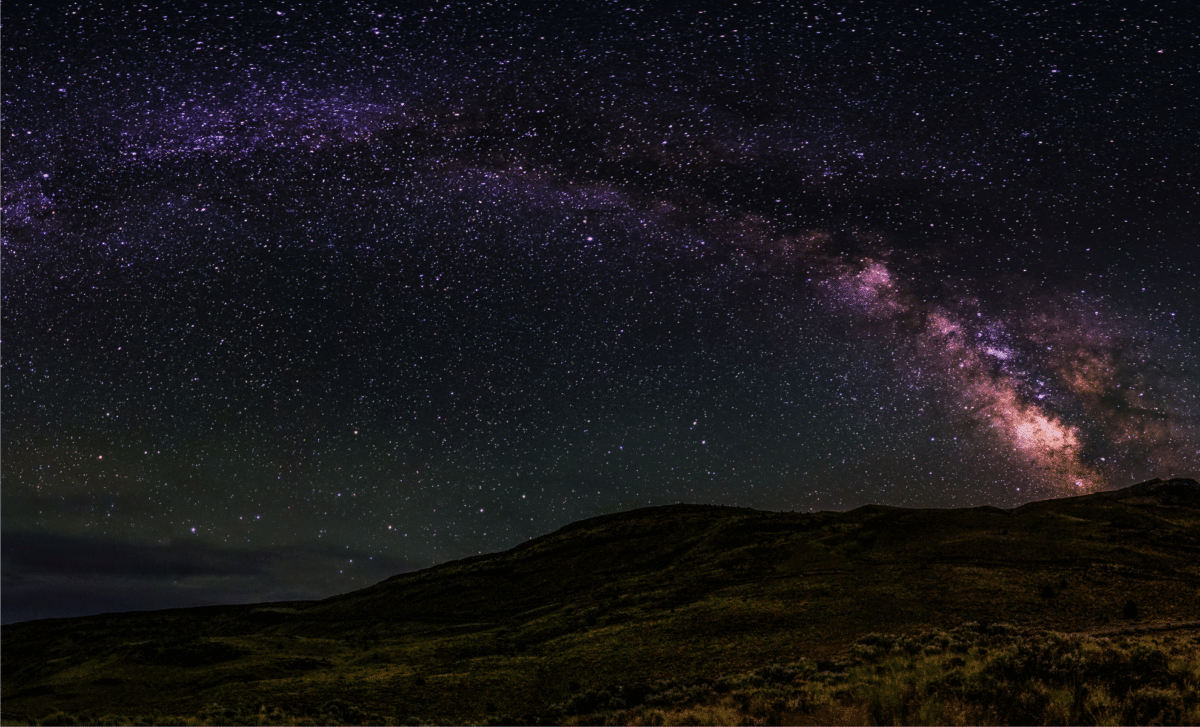
March presents a unique opportunity for astronomy enthusiasts to observe the elusive zodiacal light, a delicate glow illuminating the night sky around the spring equinox. This natural phenomenon, sometimes called the "false dawn," emerges briefly in the evenings and mornings close to this seasonal event. But how exactly can observers catch this rare glow?
Unveiling the Zodiacal Light Phenomenon
Zodiacal light appears as a subtle, milky band extending upward from the horizon, best seen shortly after dusk or before sunrise. This enchanting effect is caused by the Sun’s rays scattering off microscopic dust particles clustered within the ecliptic plane—the flat, disc-like region where the planets orbit our star. These dust grains originate mostly from comet tails and asteroid debris. When sunlight catches these particles, it creates the soft, ethereal glow visible to observers on Earth.
While zodiacal light can be seen at various times of the year, its visibility peaks around the equinoxes in March and September. During these periods, the ecliptic tilts steeply against the horizon, enhancing the brightness and angle of the light cone. According to Space.com, this “false dawn” differs from an actual sunrise, as it stems from sunlight scattering off cosmic dust rather than the Sun itself rising.

Why March Offers Prime Viewing Conditions for Zodiacal Light
The spring equinox season, particularly March, provides exceptional conditions for spotting zodiacal light. During this time, the ecliptic's orientation causes the zodiacal glow to manifest prominently in the western sky after sunset, making it especially visible for observers in the Northern Hemisphere.
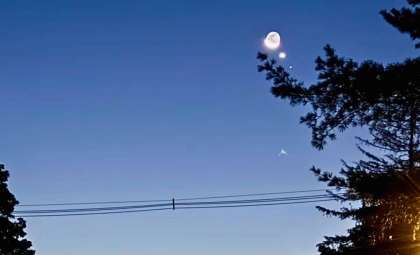
Moreover, the absence of moonlight enhances darkness during prime viewing windows. Between March 7 and just past the new moon on March 20, the night sky remains free of bright lunar illumination, allowing the faint zodiacal light to stand out more clearly. Skywatchers will find these moonless nights ideal for catching this delicate display.
The Astronomical Basis of Zodiacal Light
To understand zodiacal light, it's important to know about the ecliptic plane and the dust within it. This plane contains the orbits of all planets and is populated by dust from comets and asteroids intersecting that region. As these small bodies traverse the ecliptic, they shed particles that linger and reflect sunlight, generating the soft gleam observed from Earth.
The density and positioning of this interplanetary dust change, but near the equinoxes, the angle between the ecliptic and horizon provides favorable viewing conditions, minimizing interference from atmospheric light. As a result, the reflected light forms a faint, pyramid-shaped glow—sometimes dubbed a “false dawn”—visible on clear, dark nights.
Ideal Spots for Observing Zodiacal Light
Finding dark skies away from cities is crucial for witnessing zodiacal light. Urban light pollution significantly reduces the visibility of this faint glow, so traveling to secluded rural or wilderness areas increases your chances of success.
Remote parks, nature reserves, and observatories with wide views toward the western horizon right after sunset are excellent choices. Allowing your eyes at least 20 minutes to adapt to the dark will improve your sensitivity to the subtle illumination.
Strategies for Catching the Zodiacal Light Glow
Pick the Perfect Moment: Just after sunset during the equinox period is the best viewing time, where the zodiacal light emerges in the western sky.
Minimize Light Pollution: Seek out locations distant from city lights to avoid overshadowing the gentle glow.
Give Your Eyes Time: About 20 minutes of night adaptation helps detect dim light sources like zodiacal light.
Identify the Shape: Look for a faint, upward-pointing pyramid-shaped light extending from the horizon, a hallmark of zodiacal light.
The Allure of Observing Zodiacal Light
Experiencing zodiacal light offers a rare glimpse into a subtle aspect of our solar system’s intricate dynamics. This faint, often unnoticed celestial spectacle reminds us of the ongoing interactions between solar radiation and cosmic dust. The fleeting nature and uncommon visibility make witnessing it a rewarding endeavor for any nighttime sky observer.
The Cosmic Dust Fueling Zodiacal Light
The tiny dust particles responsible for zodiacal light are abundant and diverse in size, ranging from minute grains to small pebbles. These particles largely come from comet disintegration and asteroid collisions. They accumulate along the ecliptic plane, where the Sun’s gravity traps them in orbit. When sunlight reflects off this dust, it produces the diffuse, shimmering light known as zodiacal light.
This dusty environment is ancient, having formed over billions of years, which explains why zodiacal light has remained a consistent, though subtle, feature in our night sky.
- Categories:
- News




0 comments
Sign in to Comment