
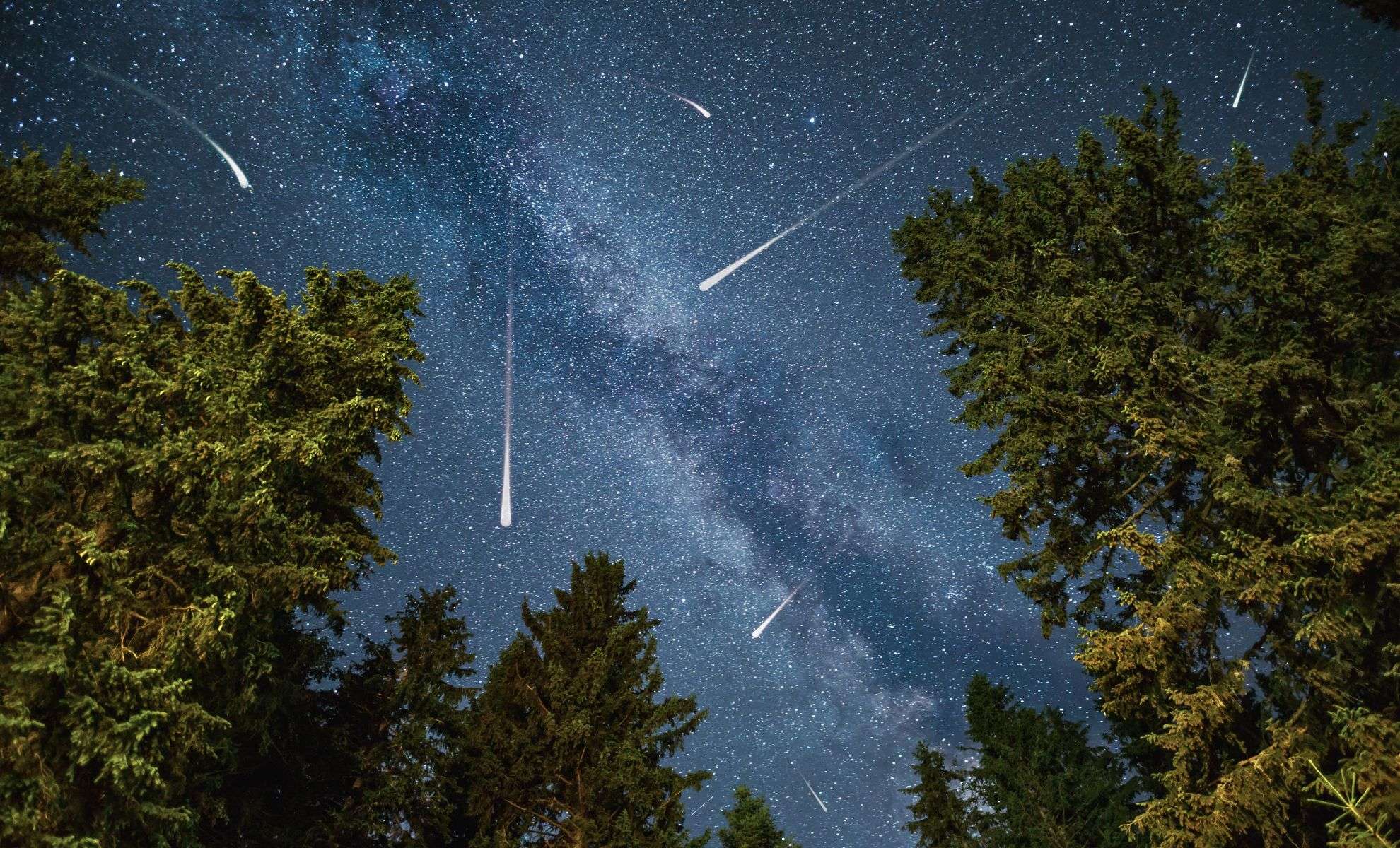
This October, skywatchers have the chance to enjoy two remarkable meteor showers: the Draconids and the Orionids. As outlined in NASA’s meteor shower update, these meteor displays provide a stunning opportunity to observe dazzling cosmic fireworks. The Draconids will blaze their brightest early in the month, with the Orionids reaching their peak later. Knowing the best times and directions to look will enhance your viewing experience, so here’s a comprehensive guide to these upcoming celestial events.
Draconid Meteor Shower: Early October’s Nighttime Highlight
The Draconid meteor shower will be observable from October 6 through October 10, peaking during the night of Wednesday, October 8. Under favorable conditions, observers might catch up to 10 meteors per hour. The prime window for viewing the Draconids is after sunset on October 8 and into the early hours of October 9.
To catch the show, direct your gaze towards the northern horizon, around the Draco constellation. Those in the Southern Hemisphere may find Draco challenging to spot since it is positioned toward the northern skies. While a bright super full moon may hinder visibility somewhat, areas far from city lights with dark skies still offer promising viewing opportunities.

The origin of the Draconids traces back to debris from Comet 21P/Giacobini-Zinner. As these fragments enter Earth’s atmosphere, they ignite and streak across the sky, creating the meteor shower’s characteristic glow.
Orionid Meteor Shower: Mid-October’s Stellar Display
Following the Draconids, the Orionid meteor shower will dominate the skies from September 26 to November 22, with the peak on the night of Tuesday, October 21. The best viewing period falls between late evening on October 21 and early morning on October 22, with up to 20 meteors per hour possible under ideal conditions.
Look for meteors near the Orion constellation. In the Northern Hemisphere, your focus should be southeast, while Southern Hemisphere observers should look northeast. The Orionids are known for their blazing speed and occasional fireballs, making the display particularly spectacular.
The Orionids originate from dust and debris left by Halley’s Comet (1P/Halley), one of the most renowned comets. Given their brightness and velocity, the Orionids are among the most exciting meteor showers to witness annually.
Tips for Watching the Meteor Showers
You don’t need any special equipment to enjoy these meteor showers. NASA actually recommends against telescopes, since their narrow field of view limits your chances of seeing the full spectacle. Instead, opt for the naked eye and find a dark spot free from light pollution for optimal viewing.
If you’re new to stargazing or want help locating constellations, astronomy apps like SkyView Lite, Star Walk 2, or Star Chart can be invaluable. These tools will assist in identifying Draco and Orion, ensuring you don’t miss these breathtaking meteor events.
- Categories:
- News






0 comments
Sign in to Comment