
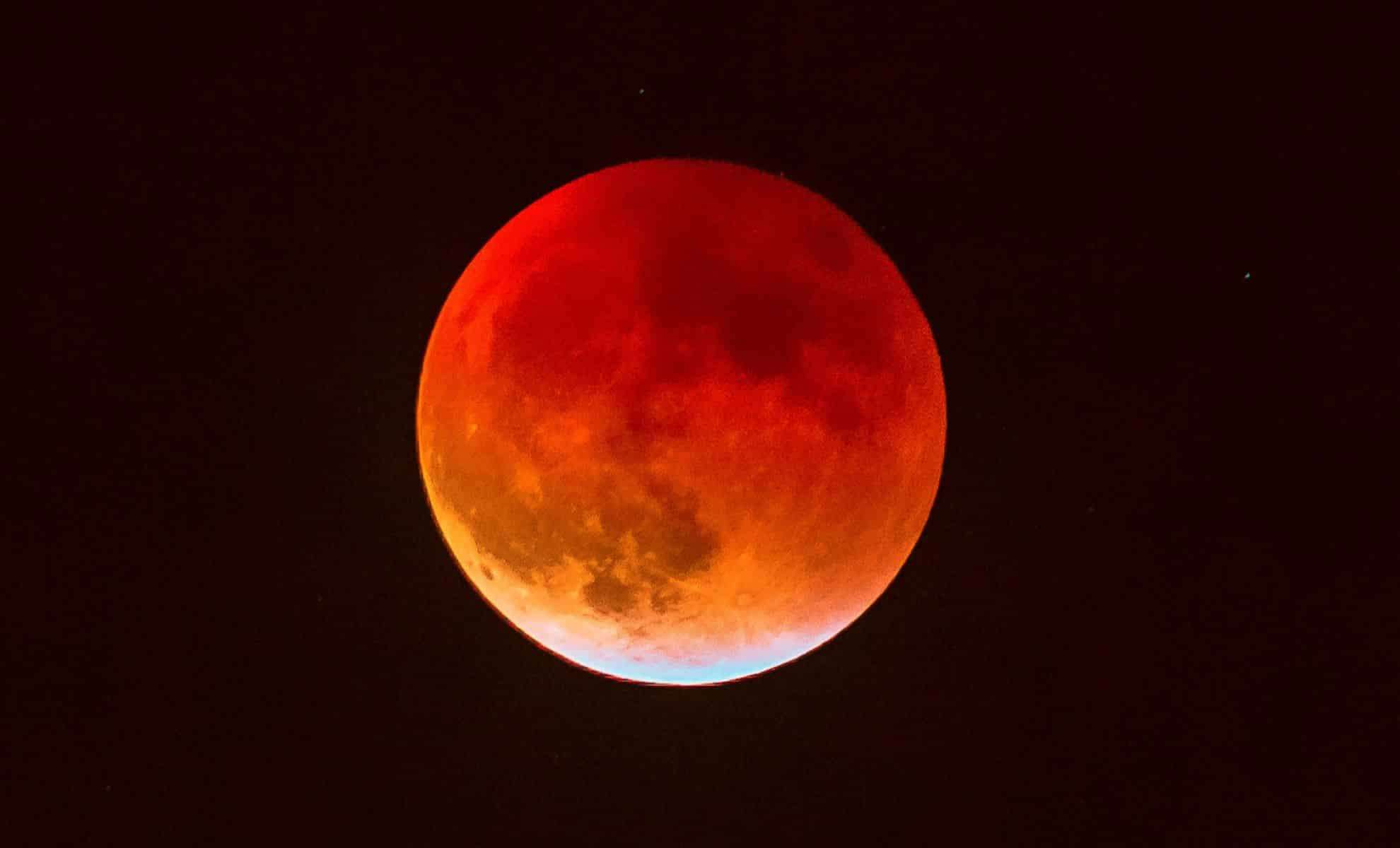
On September 7, 2025, sky enthusiasts worldwide will be treated to a remarkable celestial event: a total lunar eclipse, popularly dubbed the blood moon. This striking phenomenon will bathe the moon in a deep red glow, visible to billions globally. According to Time and Date, the total eclipse phase will persist for an impressive 82 minutes, making it one of the most captivating lunar spectacles in recent times. Whether you’re an experienced astronomer or a curious observer, this article covers essential details—from prime observation spots to the physics behind this awe-inspiring event.
Defining the Blood Moon Phenomenon
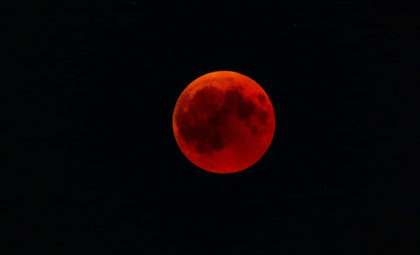
A blood moon arises during a total lunar eclipse when the Earth perfectly positions itself between the sun and the moon, casting a full shadow across the lunar surface. The sunlight that passes through Earth's atmosphere bends and scatters, projecting a reddish tint onto the moon. This effect occurs because Earth's atmosphere filters out shorter blue wavelengths, allowing longer red and orange wavelengths to illuminate the moon, giving it its eerie coppery color.
Total lunar eclipses are relatively infrequent, happening roughly every 18 months, but not every one results in the luminous red coloration. The intensity of the moon’s red hue depends heavily on Earth’s atmospheric conditions, including factors like pollution, volcanic ash, and solar positioning. The deeper the moon moves into Earth's shadow, the darker and richer the color appears, creating a mesmerizing spectacle born from the interplay of cosmology and atmospheric science.

Viewing the September 2025 Eclipse: When and Where
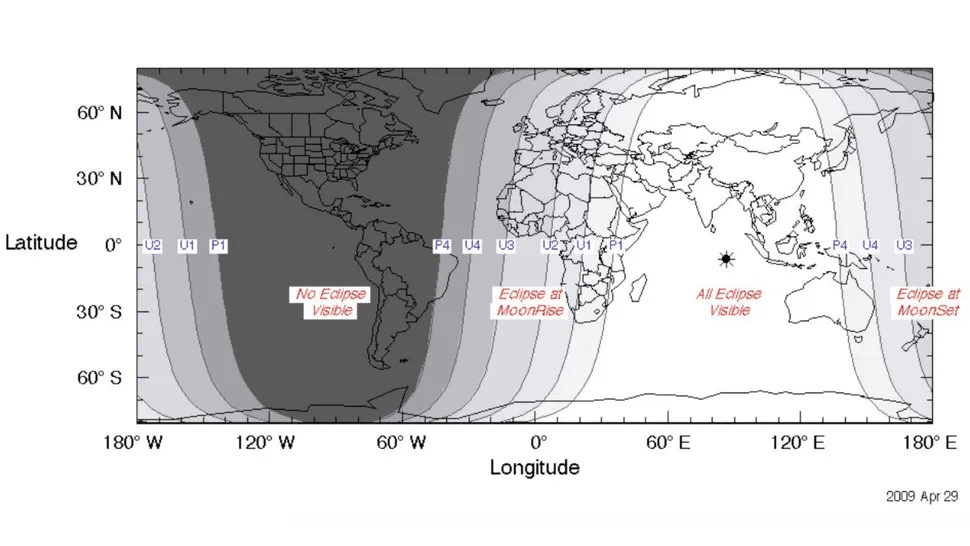
The total lunar eclipse on September 7, 2025 will be observable by approximately 77% of the global population, ranking it among the most widely visible eclipses in recent memory. The event unfolds between 15:28 GMT and 20:55 GMT, with totality lasting a remarkable 82 minutes. Ideal vantage points include Asia, Western Australia, and South Africa.
Asian countries like India, China, and Japan will enjoy clear views, especially during evening hours. Observers in Western Australia will benefit from favorable clear sky conditions and minimal light interference to witness the complete eclipse. Parts of East Africa, including Cape Town in South Africa, will also offer excellent views.
In Europe, cities such as Berlin, Paris, and London will see the moon rise already engulfed in partial shadow, with its reddish hue clearly visible as it ascends. While the full eclipse won’t be entirely visible in these regions, the sight of a crimson moon rising will still captivate those watching.
If weather or timing prevent clear viewing where you are, numerous online streams by groups like NASA and Space.com will broadcast the event live, ensuring everyone has a chance to experience this extraordinary moment.
The Red Hue Explained: Why the Moon Glows Blood Red
The striking red tint during a total lunar eclipse is explained by how sunlight interacts with Earth’s atmosphere before reaching the moon. As the Earth’s shadow predominates, sunlight still manages to filter through Earth's atmosphere, where shorter blue wavelengths scatter away—a process known as Rayleigh scattering. This leaves primarily longer red wavelengths to illuminate the lunar surface, producing the distinctive sunset-like illumination.
The vividness of the red depends heavily on atmospheric clarity. Clear conditions yield a mild copper tint, while dust-laden or polluted skies, such as those influenced by volcanic eruptions, deepen the moon’s color to a richer blood-red. The moon’s immersion in Earth’s umbra—the darkest part of the shadow—enhances this effect, making each blood moon uniquely spectacular.
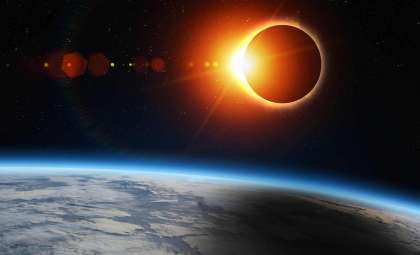
During the eclipse, the Earth casts two types of shadows: the lighter penumbra and the darker umbra. For the total lunar eclipse, the moon is entirely inside the umbra, with sunlight refracted through Earth’s atmosphere creating its iconic crimson appearance.
Optimal Viewing: Where to Watch and How to Prepare
Viewing conditions will vary worldwide on September 7, 2025. While many will witness the event fully, others will see only portions depending on location. To maximize your experience, it’s key to select the best observation points and prepare appropriately.
Regions in Asia, Western Australia, and South Africa will provide the most complete views of the 82-minute total eclipse, allowing observers to watch the moon’s gradual reddening and darkening. In Europe, places like Berlin and London offer an excellent vantage point to witness the partially eclipsed red moon rising over the skyline.
Timing is critical; ensure you know local eclipse schedules and plan to arrive at your viewing spot at least 75 minutes before totality to observe the full progression through partial phases. Ideal viewing requires clear, dark skies, so escaping urban light pollution is highly recommended. While binoculars or telescopes aren’t necessary for enjoying the eclipse, they can enhance your perspective by revealing detailed features on the lunar surface. Notably, no eye protection is needed to safely watch a lunar eclipse, unlike solar eclipses.
- Categories:
- News




0 comments
Sign in to Comment