
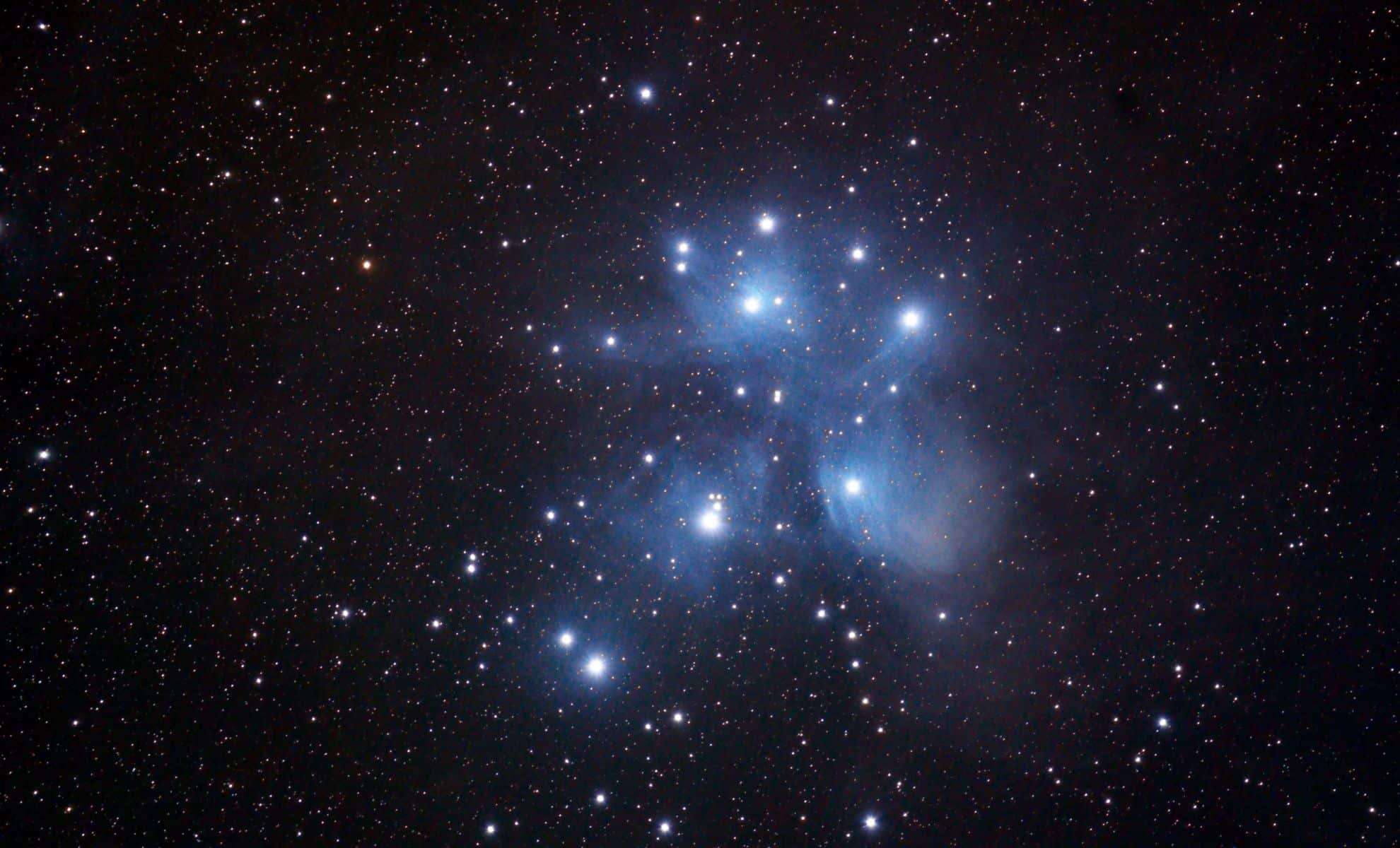
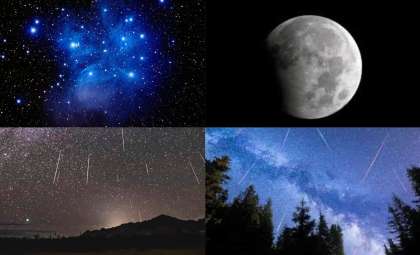
Early morning skywatchers across North America have reason to be excited on Sunday, July 20, 2025, when an exquisite cosmic event unfolds. The waning crescent moon, shining at just 24% brightness, will move directly in front of the Pleiades star cluster, or the Seven Sisters. This rare celestial occurrence, called an occultation, offers a unique opportunity to observe two dazzling sky objects seemingly merge. The spectacle will be visible throughout the United States, Canada, and Mexico. According to In-The-Sky.org, the best viewing window is between 2:00 a.m. and 5:00 a.m. EDT, as the moon and star cluster appear in the eastern horizon.
Observing the Moon’s Passage Over the Pleiades
The eclipse begins between 2:00 a.m. and 5:00 a.m. EDT, during which the lunar disc will gradually cover the Pleiades cluster’s dazzling stars, including Alcyone, its brightest member. After a short period, the stars will become visible again as the moon moves onward. This event creates a captivating optical effect—a perfect celestial coincidence—though the moon lies just approximately 226,000 miles away, while the Pleiades is some 445 light years distant. This stark contrast underscores the vast distances that separate objects in space, even when they appear close together from our vantage point.
Optimal Viewing Times and Directions
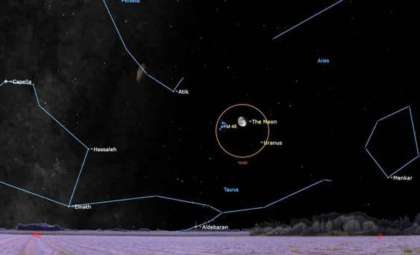
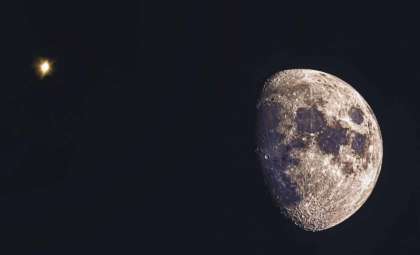
To fully appreciate this rare event, plan to be outdoors on July 20 between 2:00 a.m. and 5:00 a.m. EDT. The moon and Pleiades will ascend from the east-northeast and remain in view until dawn. Experts at In-The-Sky.org recommend targeting around 3:00 a.m. EDT when the moon is fully aligned with the brightest stars of the cluster. Additionally, viewers will notice Venus rising beneath this duo, adding an extra highlight to the morning sky. This natural show presents a fleeting, beautiful interaction before daylight takes over.

Understanding the Science: The Illusion of Proximity
Though visually impressive, this moon and Pleiades eclipse is essentially an optical illusion. While the moon orbits Earth at a distance of 226,000 miles, the Pleiades stars lie unimaginably farther, at 445 light years away. The moon’s reflected light takes about 1.3 seconds to reach Earth, compared with the 445 years for the Pleiades’ light to travel to us. This gigantic distance gap produces the illusion that these objects are near each other, highlighting the extraordinary scale of the universe we inhabit.
Tips for Enjoying the Eclipse
To catch this breathtaking sky event, a clear eastern-northeastern horizon is essential. Observers do not require any special devices, but binoculars can enrich the experience by revealing crisp details of the moon and the moment the Pleiades stars briefly vanish and reappear. The crescent moon’s gentle glow is visible without aid, but optical enhancements will deepen appreciation of the event. Make sure to check local daylight timings to ensure you’re outside during the prime viewing window. This event promises to be one of 2025’s most memorable astronomical occurrences.
- Categories:
- News



0 comments
Sign in to Comment