
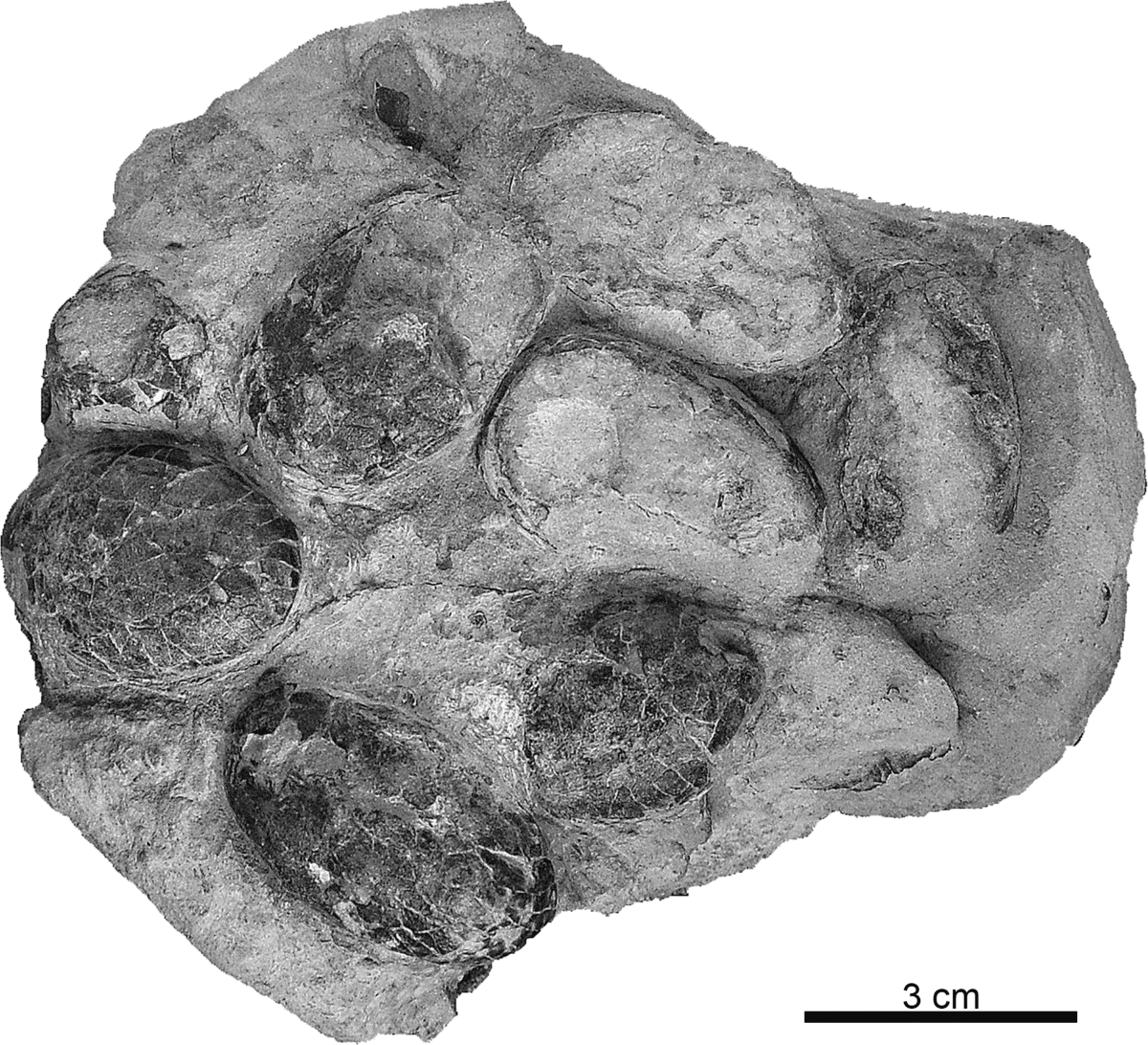
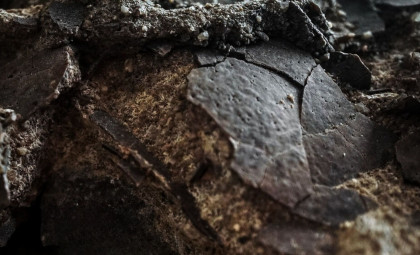
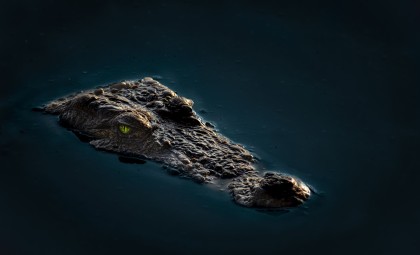
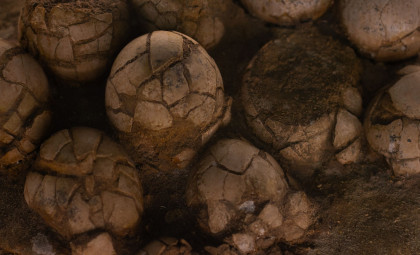
Researchers have uncovered crocodilian eggs dating back 152 million years in western Portugal, offering new insights into early crocodile evolution. These eggs were found at a dinosaur nesting site near Lourinhã and stand out due to their remarkable age and condition. According to findings published in PLOS ONE, these are the oldest crocodilian eggs ever discovered, extending the fossil timeline by some 40 million years.
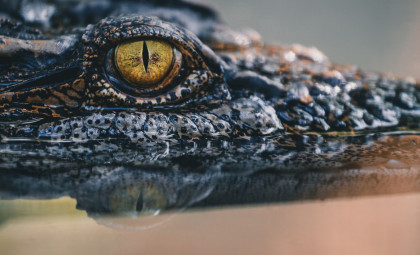
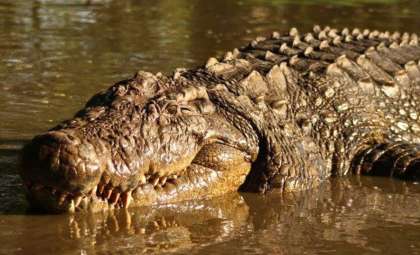
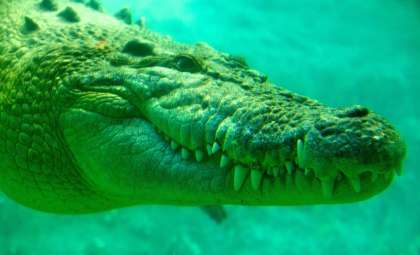
Crocodilians emerged around 200 million years ago, sharing their environment with early dinosaurs and adapting to diverse habitats. As João Russo from Universidade Nova de Lisboa pointed out, their prehistoric relatives exhibited a far greater range of forms, diets, and ecosystems than modern crocodiles.
A Fossil Discovery That Challenges Previous Assumptions
Dating to the Late Jurassic, these eggs are far older than any previously documented crocodilian eggs. João Russo stated that this discovery pushes back the known fossil record and sheds light on early crocodilian reproductive behavior.

“The fact that they are from the Late Jurassic makes these eggs the oldest crocodilian eggs known so far,” he added, “This new discovery from Portugal extends the knowledge of this type of egg by approximately 40 million years.”
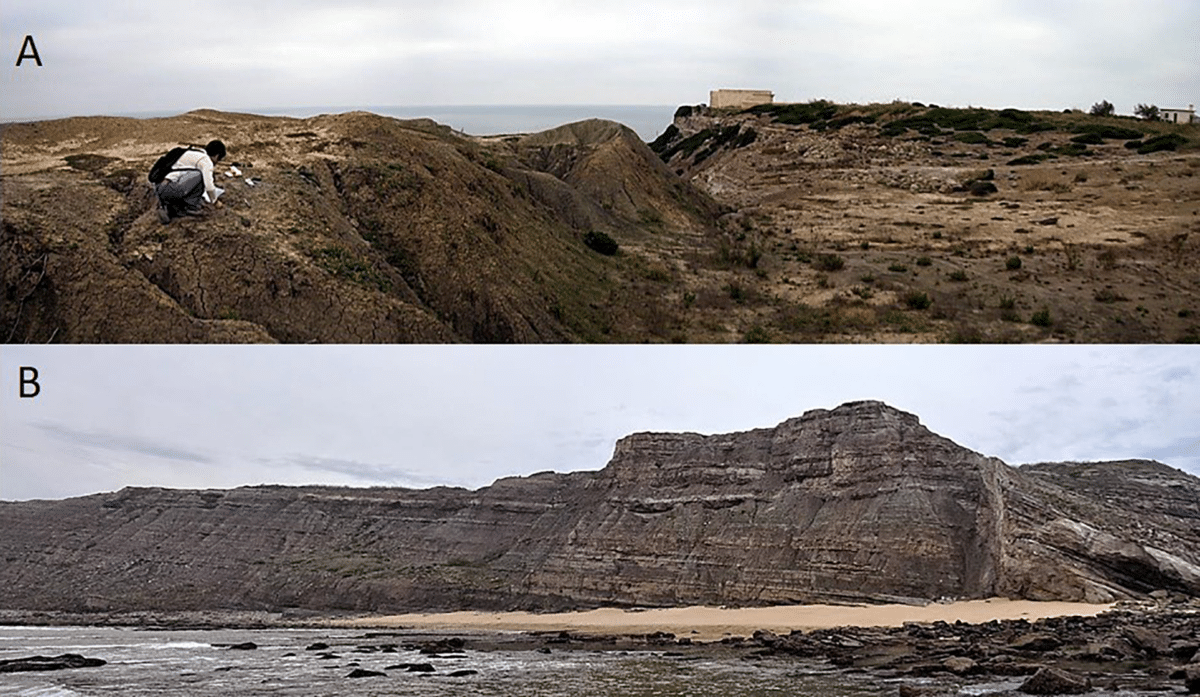
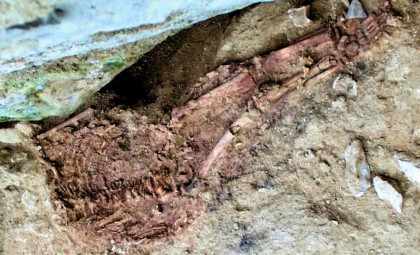
Unearthed during several excavations at a prominent dinosaur nesting location, scientists identified numerous clutches of eggs, indicating repeated use of the site for nesting. The dating and context firmly place these fossils as some of the earliest direct evidence of crocodilian reproduction.
Minimal Change in Crocodilian Eggs Across 150 Million Years
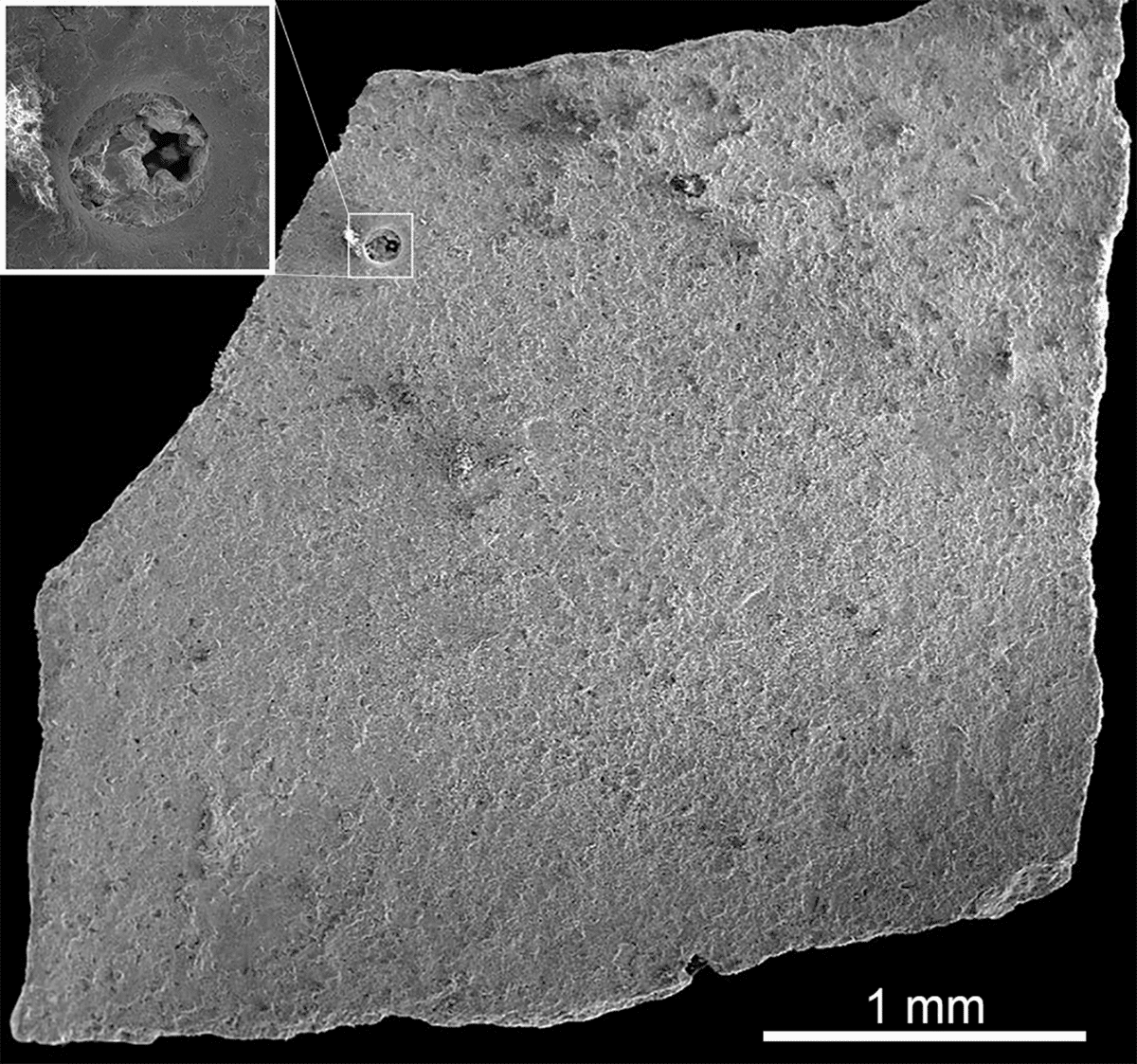
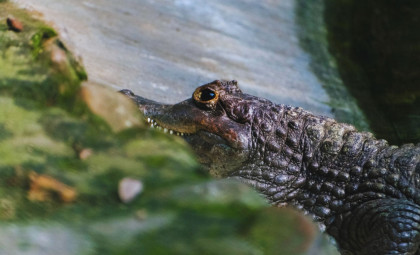
One of the most striking observations is the near-identical shape and structure of these ancient eggs compared to those of present-day crocodiles, pointing to extraordinary evolutionary stability.
The study in PLOS ONE highlights that crocodilian reproductive biology has remained remarkably consistent for over 150 million years, which is unusual given the considerable evolutionary diversification seen in the group.
Dinosaur and Crocodile Nests Side by Side: A Mystery
The discovery of crocodilian eggs within a dinosaur nesting territory presents intriguing puzzles. Scientists are still investigating why both groups chose the same nesting grounds and whether this reflects shared environmental factors.
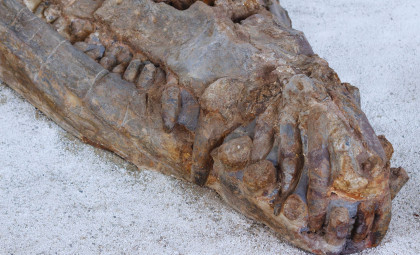
“The fossil record tells us that crocodiles and their relatives (forming the larger group of crocodylomorphs) were much more diverse in the past, with different feeding habits, ecological niche distribution or morphology,” Russo stated
During that period, large dinosaurs ruled the land while early crocodilian ancestors filled various ecological roles. The findings hint at a more intricate ecosystem where multiple species may have nested in close proximity.
- Categories:
- Science

0 comments
Sign in to Comment