
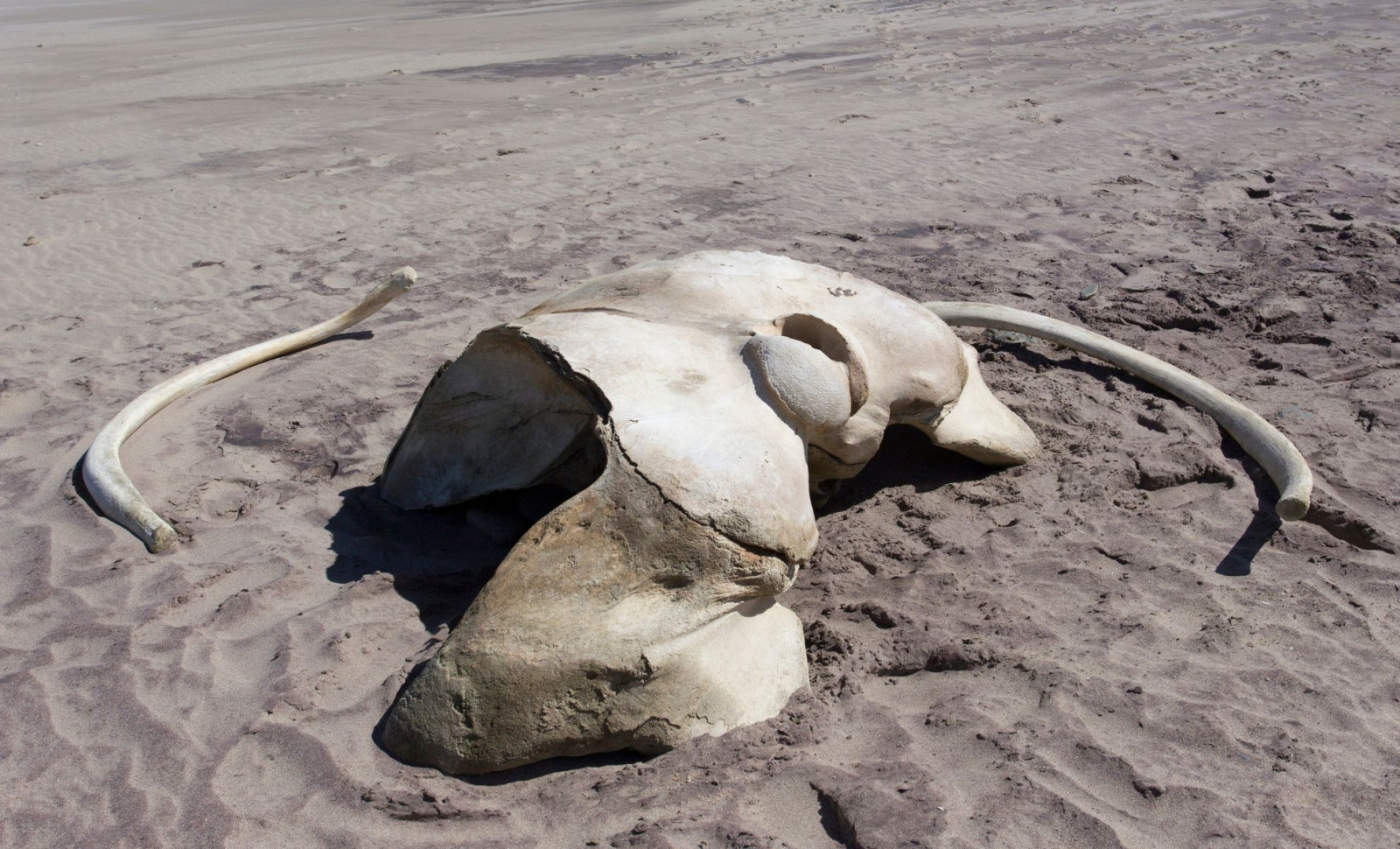
Along the shores of Somerset in southwest England, a remarkable discovery was made by 11-year-old Ruby Reynolds during a family fossil expedition. The bones she found belong to one of the largest marine reptiles known to science, a colossal ichthyosaur later named Ichthyotitan severnensis.
This ancient creature lived approximately 202 million years ago, during the late Triassic Period, an era when massive predators dominated the shallow seas that covered present-day Britain. The find was made in May 2020 at Blue Anchor, a coastal area renowned for its rich fossil beds and rapidly changing cliffs. While exploring the shoreline, Ruby Reynolds and her father Justin Reynolds spotted unusually large fossilized bones exposed by the shifting sediments.
Initially, the bones appeared fragmented and incomplete. However, paleontologist Dean Lomax, affiliated with the University of Bristol and the University of Manchester, swiftly connected this new material with a mysterious fossil unearthed in Somerset years prior. That earlier discovery had already hinted at the presence of a massive, previously unidentified ichthyosaur species in the region.

Bone Pieces That Transformed Understanding
Justin Reynolds was the first to identify a section of fossil protruding from the mud, describing it as “larger than any bone fragment I’d ever encountered.” Soon after, Ruby uncovered a second piece that was even bigger.
The Reynolds family reached out to Dean Lomax, recognizing similarities with giant ichthyosaur fossils previously found in Somerset. Their message read:
“Hey, Dr. Lomax – we think we’ve found another one of your giant ichthyosaur jawbones.” The communication sparked immediate interest among researchers who returned to the site to recover more fossil fragments revealed by coastal erosion.
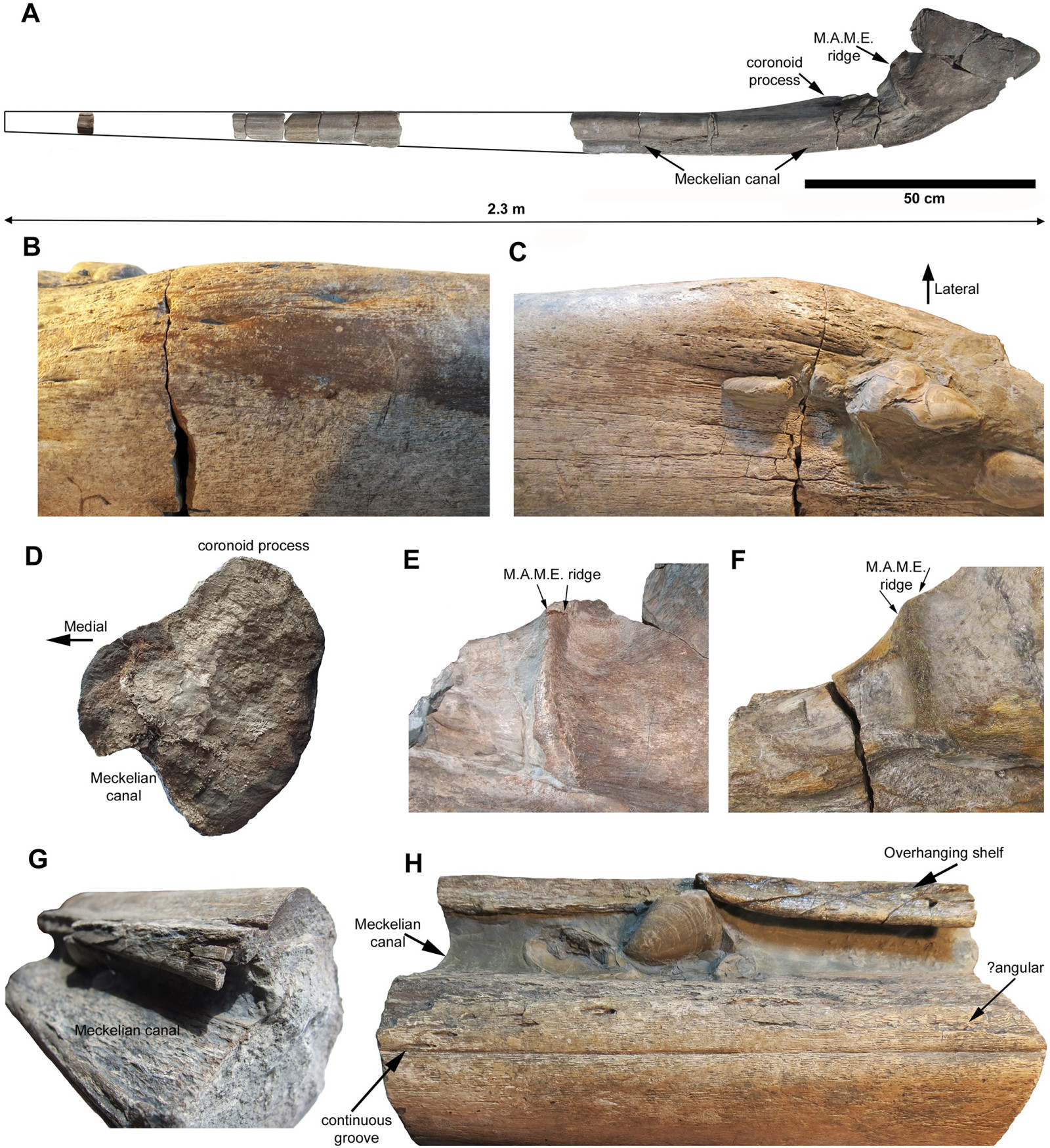
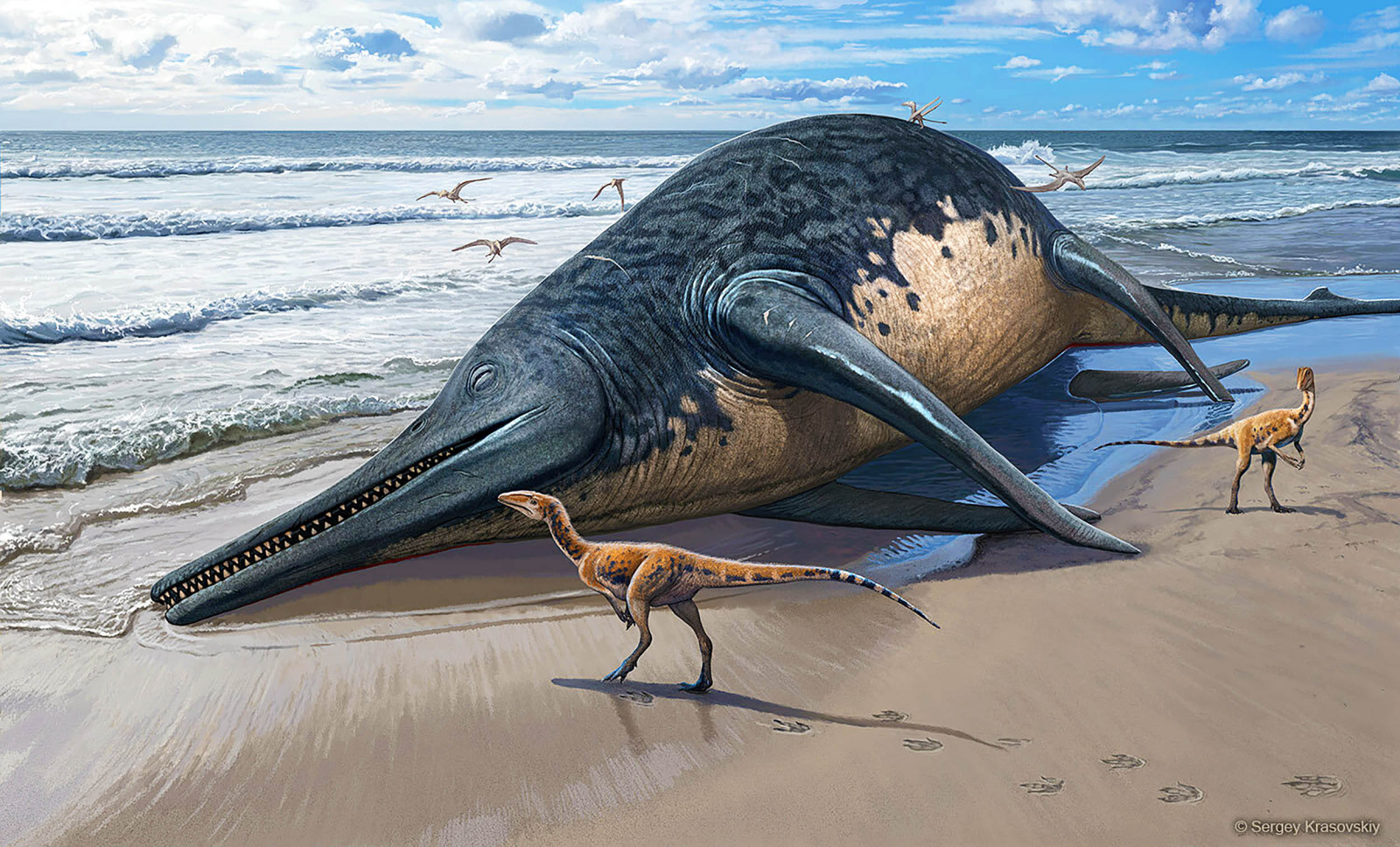
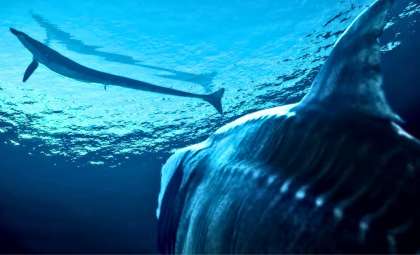
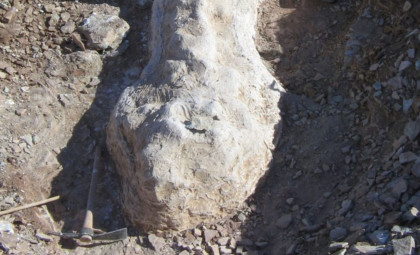
These fragments enabled scientists to reconstruct almost two-thirds of a lower jawbone measuring over 6.5 feet in length. Results published in PLOS ONE identified the specimen as a new species designated Ichthyotitan severnensis, meaning “giant fish lizard from the Severn.” Researchers estimate the full animal could have grown to an astonishing approximately 82 feet long.
“These are reptiles only very, very distantly related to things like crocodiles,” said Lomax. “They gave birth to live young. They committed entirely to a life at sea — they didn’t come onto land.”
Colossal Hunters Dominated Triassic Oceans
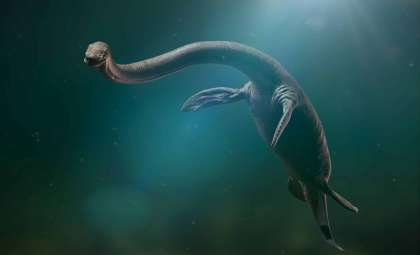
During the late Triassic, much of what is now Britain lay under warm, shallow seas teeming with large marine reptiles and cephalopods. Ichthyosaurs became apex predators of these waters well before the rise of whales.
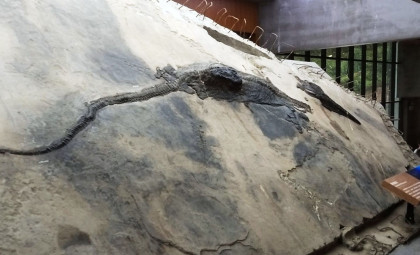
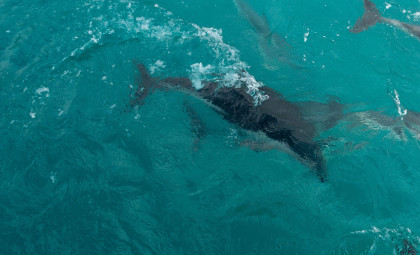
These reptiles had sleek, streamlined bodies designed for high-speed swimming and open-water hunting. Although often compared in shape to dolphins, ichthyosaurs were entirely reptilian.
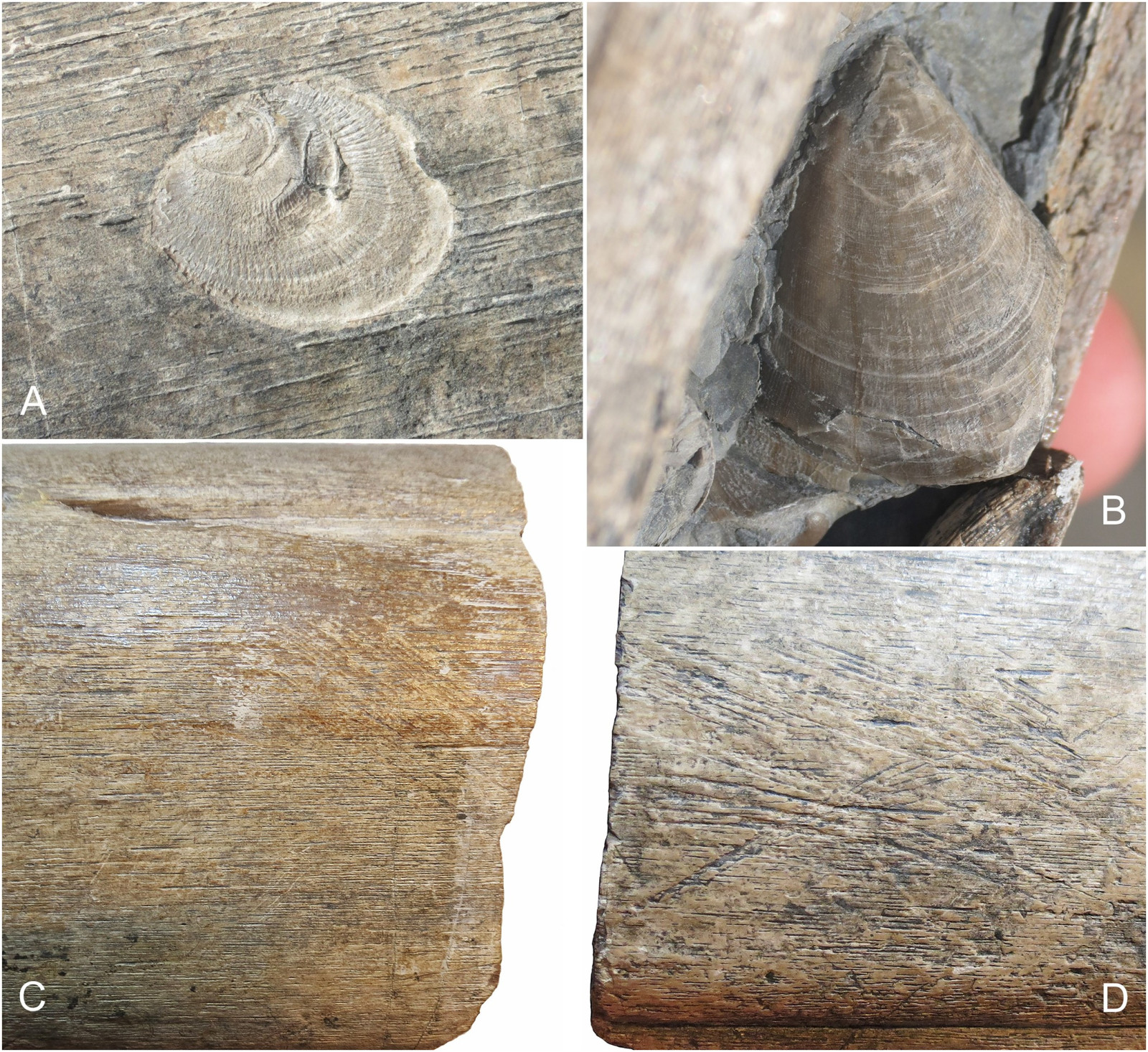
The research revealed that microscopic bone structures within the jawbone paralleled those found in other gigantic ichthyosaurs worldwide. This fossil likely belongs to the shastasaurid family, a group known for producing some of the largest marine reptiles during the Triassic.
Experts noted that these enormous ichthyosaurs reached their maximum sizes shortly before the end-Triassic extinction event. Dean Lomax remarked:
“No marine reptile ever reached such gigantic sizes ever again” after this period.
Coastal Erosion Uncovers Ancient Giants
The mudstones and cliffs along the Somerset coast experience frequent erosion from winter storms, revealing fossils preserved for millions of years. Several years before Ruby’s discovery, fossil hunter Paul de la Salle had recovered a massive jaw fragment in the same area. Researchers found that both fossils share unique internal bone characteristics and come from the same geological layer, supporting the identification of a new species.
Biomechanist Kelsey Stilson described the Triassic as “a really weird time,” influenced by shifting climates and the emergence of early dinosaurs and mammals. She added:
“There were things that we can’t even possibly imagine in the past. But we can get little hints, and this is one little hint at this larger picture of evolution on Earth.”
Scientists believe that more fossils remain hidden within Somerset’s coastal cliffs. Lomax expressed hope that the newly discovered jawbones provide “compelling evidence” that a complete skull or even a full skeleton of this giant marine reptile might one day be uncovered.
- Categories:
- Science


0 comments
Sign in to Comment