
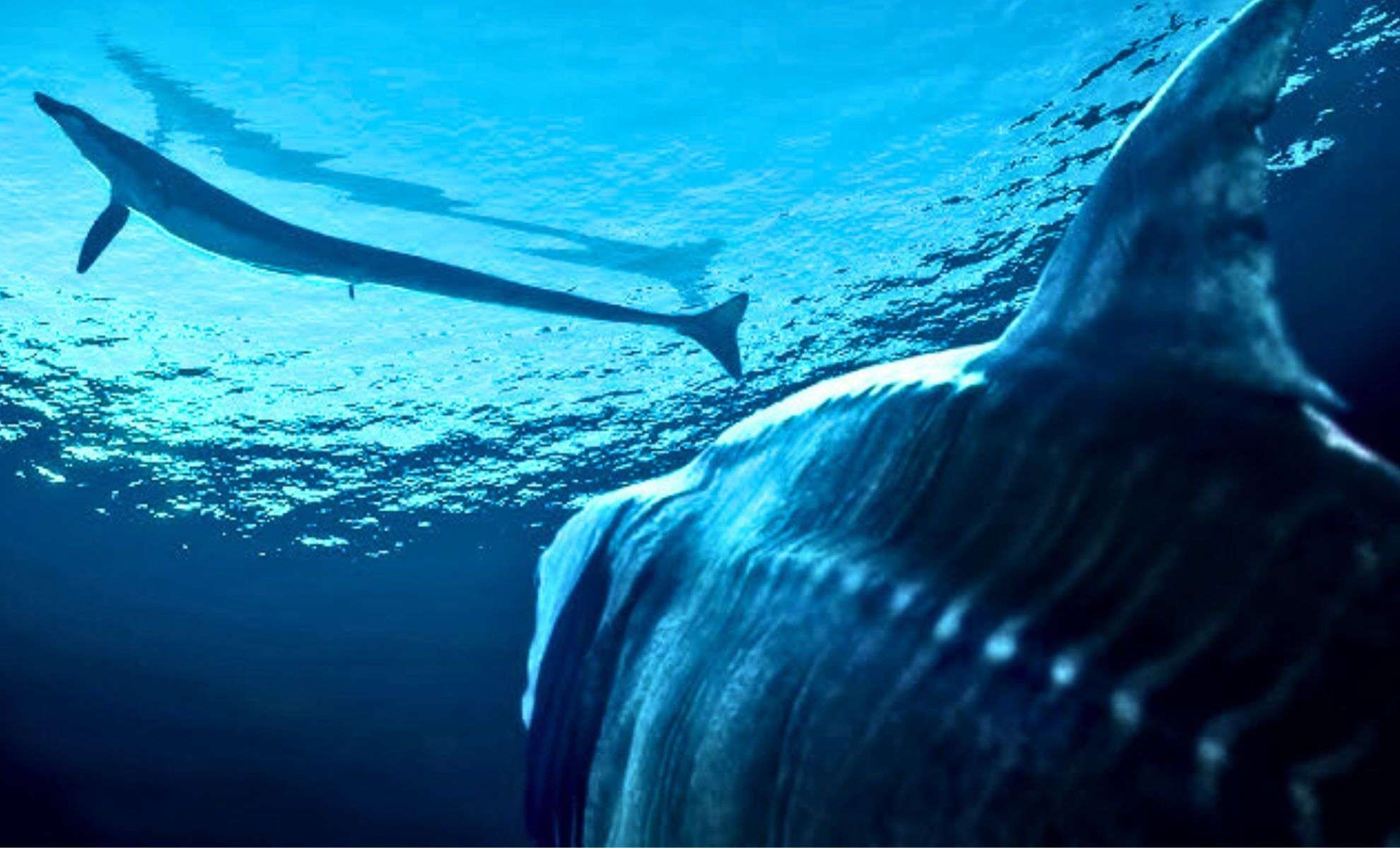
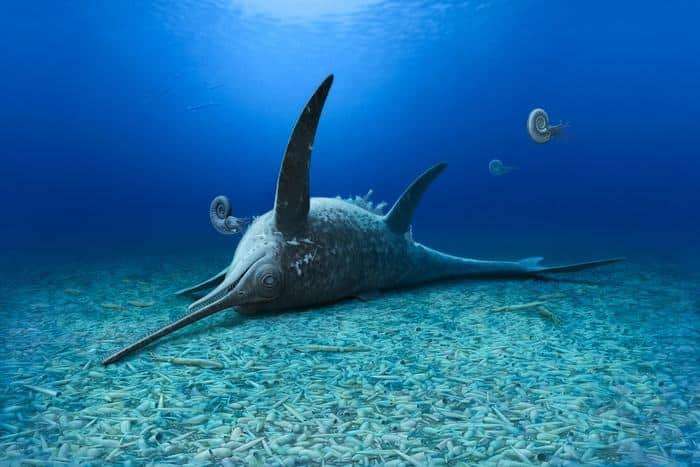
Researchers have identified a new ichthyosaur species featuring a remarkable swordfish-shaped snout and notably sturdy ribs, dating back over 180 million years to the Early Jurassic seas—and discovered almost a century after the fossils were first recovered.
The findings, published on 25 September 2025 in the open-access journal Fossil Record, stem from a study led by paleontologist Gaël Spicher at Switzerland’s JURASSICA Museum. The research focused on previously understudied fossils held at the Urwelt-Museum Oberfranken in Bayreuth, Germany, originally excavated from the fossil-rich Mistelgau clay pit, a key Jurassic excavation site.
This newly classified species, Eurhinosaurus mistelgauensis, adds a fascinating chapter to the ichthyosaur lineage—marine reptiles with body shapes resembling today’s dolphins or tunas. However, this specimen exhibits unusual traits not commonly seen among its relatives.

Sword-Like Snout and Reinforced Rib Structure
The defining characteristic that intrigued scientists was its extended upper jaw, which produces a pronounced overbite akin to that of a swordfish. This adaptation, typical within the Eurhinosaurus genus, likely helped the animal catch fish and cephalopods. Yet, these Mistelgau fossils display unique features, such as exceptionally strong ribs and a rare skull-to-neck articulation, possibly linked to swimming mechanics or feeding habits.
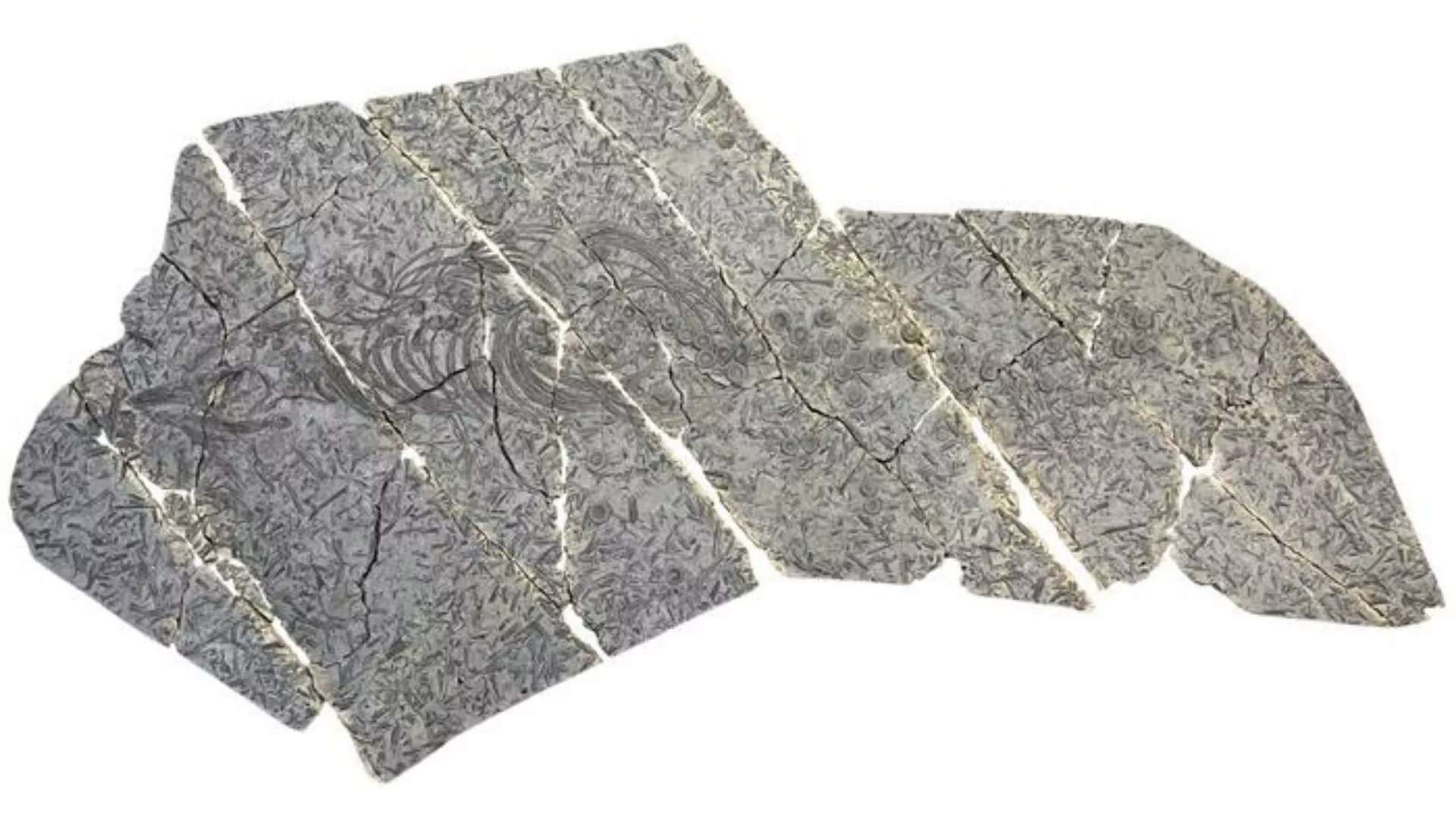
The research analyzed three fossils—including two nearly intact skeletons and one partial snout—from the Upper Toarcian phase of the Early Jurassic, approximately 182 million years ago. These consistent anatomical differences point to a new species designation within the genus.
Dr. Serjoscha Evers, director of the Urwelt-Museum and not part of the study, commented on the significance of such finds: “This highlights the immense scientific potential hidden within collections waiting for detailed examination.”
Unearthing Treasures in a Clay Pit Laden with Ancient Cephalopods
The Mistelgau clay pit in Upper Franconia, Bavaria, has been a rich source of Jurassic fossils since the 1990s, particularly in sediment layers dubbed “belemnite battlegrounds” due to the abundance of cephalopod fossils. The most complete specimen of E. mistelgauensis was uncovered embedded within a massive 4-meter fossil slab from one such deposit.
Although Eurhinosaurus was first recognized in the 1800s, this discovery represents the youngest record of the genus found so far, expanding its known time range and geographic distribution.
The team, composed of scientists from Germany and Switzerland, stressed the necessity of revisiting and reassessing long-held fossil collections.
“We wanted to highlight the scientific importance of the Mistelgau locality,” Spicher said in a statement released by Pensoft Publishers. “Without the regular fieldwork and careful curation by the museum, we wouldn’t have recognised this species.”
Insights from Injuries: Clues to Jurassic Marine Life and Death
In addition to structural features, traces of damage and deformation on the fossils suggest the animal endured injuries or illnesses during its lifetime. Upcoming research will investigate these pathologies to better understand predator-prey dynamics, competition, or aging in Jurassic ocean ecosystems.
“There’s still a lot to learn from these bones,” Spicher noted. “Injuries, wear patterns, bone growth—each detail adds a piece to the puzzle of how these animals lived and interacted.”
Ichthyosaurs, once thriving marine reptiles in prehistoric seas, vanished by the Late Cretaceous. Discoveries like E. mistelgauensis illuminate the diversity and evolutionary success of these reptiles during the Jurassic, demonstrating that valuable stories about ancient life often await rediscovery in museum collections.
- Categories:
- Science


0 comments
Sign in to Comment