
Researchers have uncovered that a 183-million-year-old plesiosaur fossil displayed a combination of smooth and textured skin. Hidden away in a museum collection for decades, this specimen has enabled experts to refine long-standing depictions of these ancient marine reptiles.
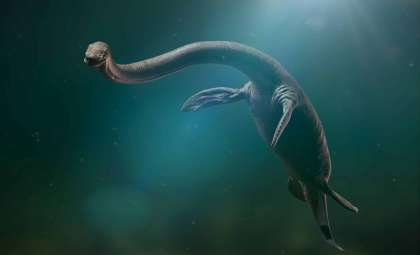
Living between 66 million and 215 million years ago, plesiosaurs were marine reptiles known for their elongated necks. While their fossilized bones have revealed much about their anatomy, the nature of their skin and outer covering has remained elusive. A recent in-depth analysis of an aged plesiosaur fossil offers fresh insights.
An Exceptional Fossil with Preserved Soft Tissue
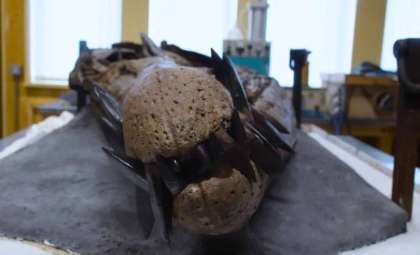
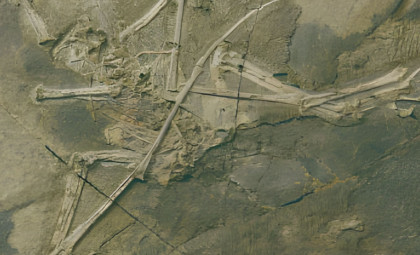
The fossil, designated MH7, was uncovered in 1940 at a quarry near Holzmaden, Germany, but it wasn’t until 2020 that scientists closely studied it again after nearly 75 years stored at the Urwelt-Museum Hauff.

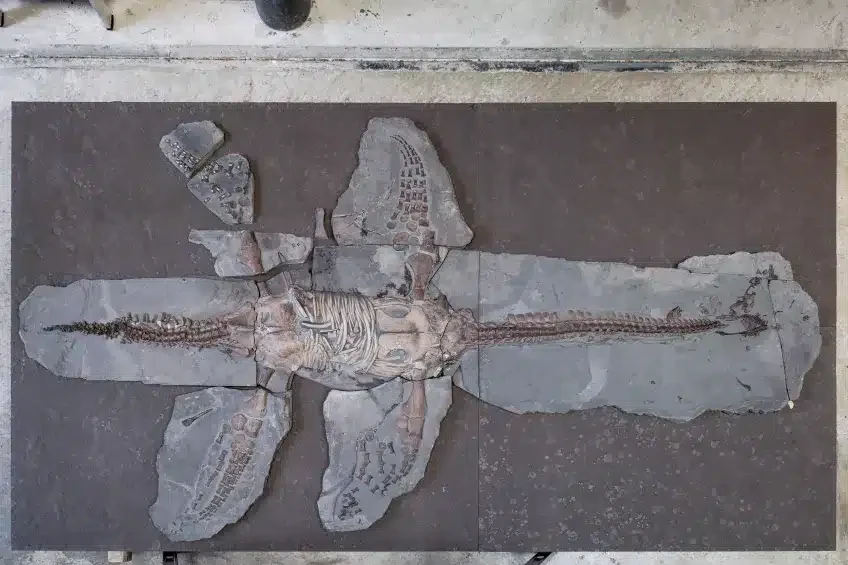
The environment where this fossil was found featured conditions that allowed soft tissues like skin to survive for millions of years. Miguel Marx, a paleobiologist at Lund University, and his colleagues analyzed tiny samples from MH7’s tail and fins, revealing remarkably intact skin cells.
“Also, the well-preserved German fossil really highlights the potential for soft tissue in providing valuable insights into the biology of these long-extinct animals,” in a statement from Lund University, he said.
Microscopic examination showed the plesiosaur had sleek skin on its tail while small scales adorned the trailing edges of its flippers.
“Our findings help us create more accurate life reconstructions of plesiosaurs, something that has been extremely difficult since they were first studied over 200 years ago.”
Importance of Soft Tissue Preservation
Soft tissue fossilization is a rare and valuable event in paleontology, especially regarding marine reptiles like plesiosaurs. Unlike bones, organic tissues such as skin and muscles typically degrade quickly and seldom fossilize.
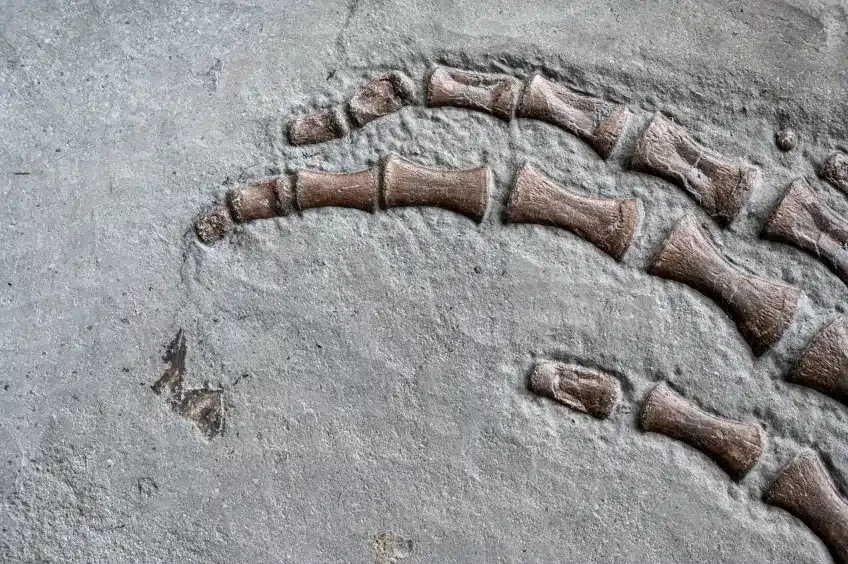
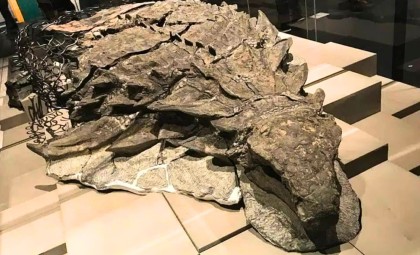
Published in Current Biology, the study notes that only about eight plesiosaur fossils with soft tissue preservation have been discovered, making MH7 particularly significant. The region’s ocean chemistry played a vital role in halting decay, allowing soft tissue to survive across millions of years.
By revealing the structure of soft tissues, researchers can now develop a better understanding of how these ancient reptiles functioned beyond just their skeletal remains.
Insights into Plesiosaur Locomotion
The presence of scales along the edges of the plesiosaur’s flippers offers clues about its swimming capabilities. These scales might have stiffened the flippers similarly to modern sea turtles, enhancing propulsion, whereas the smooth skin on the tail likely minimized resistance, improving agility and speed.
Scientists propose these mixed skin textures helped plesiosaurs navigate the water column and seabed efficiently while pursuing prey.
Although these conclusions are still speculative, they offer a compelling vision of how plesiosaurs may have adapted to their marine habitats. F. Robin O’Keefe, a paleontologist at Marshall University, remarked:
“You don’t need to go to all the trouble of having a hyper-efficient wing if you’re going to be sitting on the bottom all the time,” he said.
O’Keefe suggested the plesiosaur was likely an active hunter, swimming through the ocean in pursuit of its prey.
- Categories:
- Science


0 comments
Sign in to Comment