
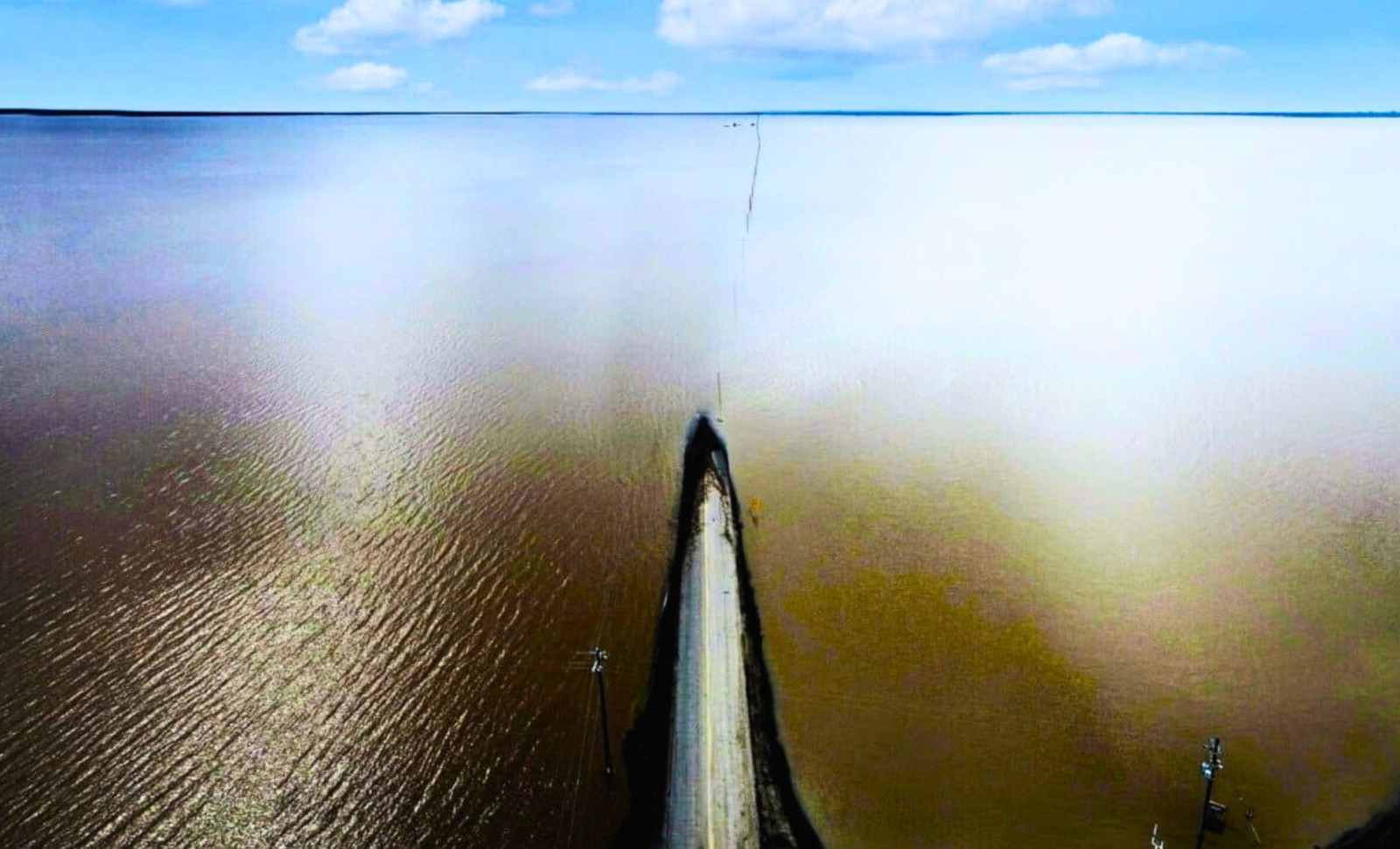
California’s Central Valley witnessed the return of a long-lost lake, submerging close to 94,000 acres of agricultural land and reigniting disputes over water rights, environmental stewardship, and land ownership. Tulare Lake, once the largest freshwater lake west of the Mississippi River, reappeared in early 2023 as a result of unprecedented rainfall.
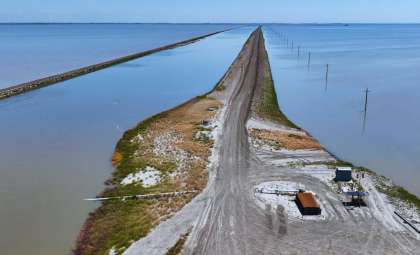
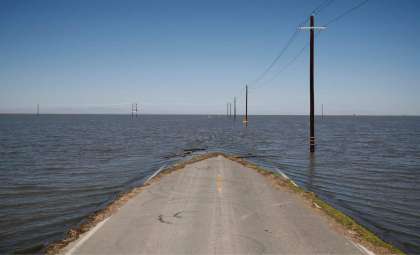
This unexpected restoration overwhelmed existing flood control infrastructure in Kings County, inundating farmlands, roads, and vital facilities. The flooding led to evacuations, disrupted farming activities, and highlighted vulnerabilities in the state’s approach to water resource management.
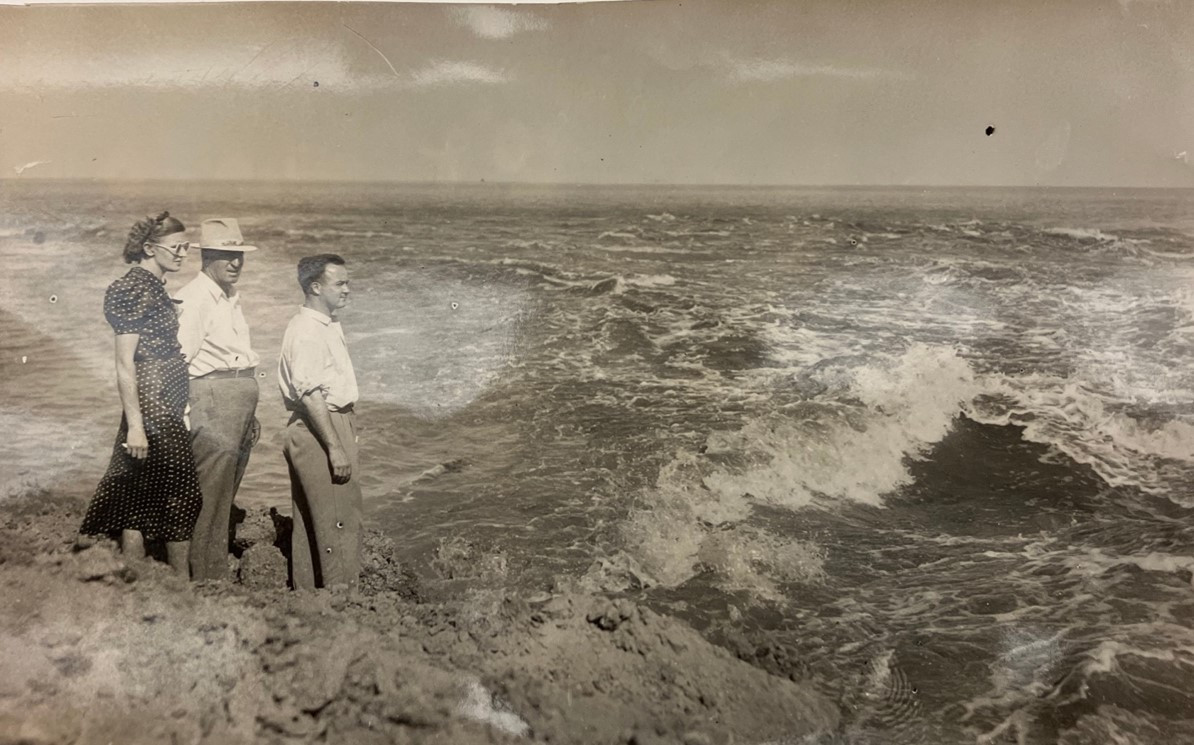
Nearly two years on, some regions within the basin remain submerged. Efforts to drain the water continue, but experts caution that full recovery could take several years. The lake’s revival has intensified discussions regarding California's readiness for extreme weather, Indigenous water rights, and the sustainability of Central Valley agriculture.

Natural Forces Overwhelm Man-Made Barriers
Following successive atmospheric river events and record Sierra Nevada snowfall, massive runoff flowed into the Tulare Basin during spring 2023. NASA satellite data captured the rapid re-expansion of the lake from June 2023 through June 2024, refilling an area that had been dry and heavily farmed for over 100 years.
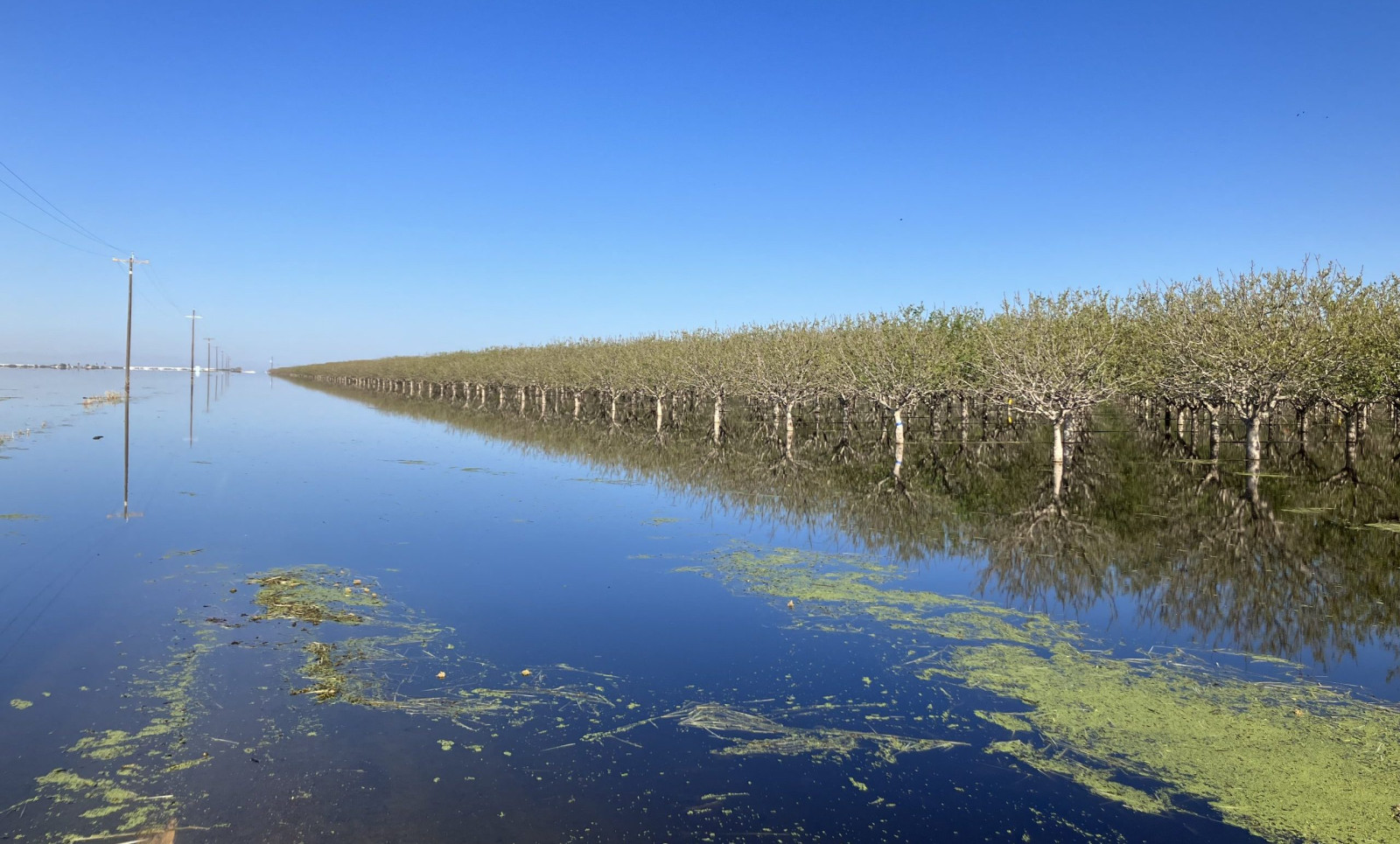
Much of the flooded territory is owned by large agricultural corporations like the J.G. Boswell Company. Crops including cotton, pistachios, and almonds were devastated. Heavy machinery, power infrastructure, and chemical storage areas were submerged. As detailed by Earth.com, floodwaters impacted fertilizer storage, manure stockpiles, and power systems, raising alarms about contamination risks to groundwater.
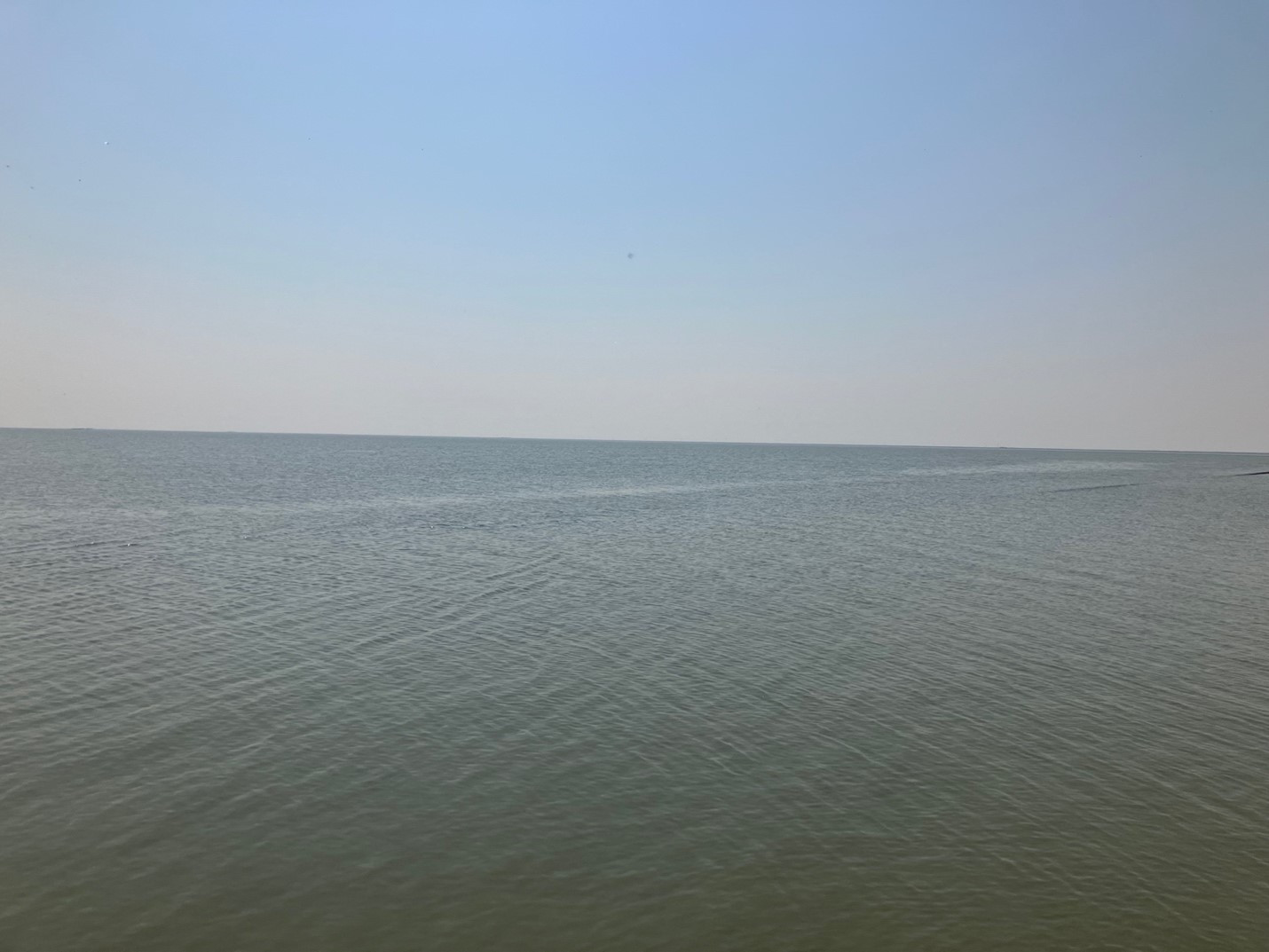
The Central Valley depends extensively on groundwater for agriculture and municipal needs, but the aquifer is already strained due to prolonged drought and excessive extraction. Scientists observing the lake’s return documented nutrient runoff and algae growth, indicating further challenges for water quality as reported by the Open Rivers Journal’s coverage of Pa’ashi’s comeback.
County authorities sought permission to redirect floodwaters onto Boswell-owned lands to mitigate damage elsewhere. However, these requests were declined, leading to floodwaters diverting into communities such as Alpaugh, Allensworth, and Cutler, resulting in evacuations and property damage as detailed in Open Rivers.
Cultural Significance Amidst Restricted Access
For the Tachi Yokut people, the revival of Tulare Lake—known as Pa’ashi in their language—signified much more than a natural flood. Historically, the lake sustained Indigenous communities, serving as a hub for villages, trade, and rituals before being drained in the late 19th century for agricultural development.
With the lake’s 2023 return, the tribe restarted ceremonies along the shoreline, replanted native tule reeds and sage, and reintroduced traditional teachings about the lake’s cultural importance. Yet, legal limitations prevent the tribe from accessing the water, with property laws and water rights hindering customary uses like canoe navigation.
“We can’t even get a canoe out there to actually honor our ancestors,” said Carlos Garcia Jr., a liaison for the tribe, as cited in an Open Rivers Journal report documenting how fences, surveillance, and legal restrictions limit Indigenous interaction with the lake.
The tribe is pursuing water access rights under the Winters Doctrine, a legal precedent securing federally recognized tribes’ entitlement to water linked to their reservations. Tribal leaders emphasize that labeling Tulare Lake’s return as a disaster overlooks its ecological and cultural value.
Climate Risks and Groundwater Stress
A 2022 article in Nature Climate Change revealed that global warming has tripled the chance of a megaflood like the historic 1862 event that flooded vast swaths of California. The Central Valley, extensively modified and lacking natural drainage outlets, ranks among the highest-risk regions.
Tulare Lake has intermittently revived during heavy rainfall events in the past century—in 1906, 1916, 1922, and 1938—each episode damaging crops grown atop the former lakebed, only to have the land drained repeatedly. The 2023 flooding represents the largest lake reappearance in more than 100 years.
Depleting groundwater is another looming crisis. The Public Policy Institute of California warns that without changes, San Joaquin Valley aquifers could experience irreversible overdraft within 20 years. While California’s 2014 Sustainable Groundwater Management Act requires local agencies to restore balance by 2040, progress remains uneven.
Initiatives to replenish aquifers face obstacles, including contamination from legacy pollutants such as 1,2,3-trichloropropane, a harmful chemical still present in some Central Valley areas. Various water banking projects intended to store surface water underground are complicated by these toxic residues from earlier farming operations.
Nonetheless, by late 2025, agricultural enterprises like the Wonderful Company and Boswell resumed planting on parts of the drained lakebed. This move has reignited concerns of perpetuating a destructive cycle of flooding, damage, and drainage without addressing deeper land-use and climate challenges.
Ongoing Probes as Floodwaters Subside
At the start of 2025, the California State Water Resources Control Board initiated an investigation into the flood management decisions made during Tulare Lake’s latest resurgence. Officials are scrutinizing whether dominant landowners influenced water diversion efforts to the detriment of at-risk communities.
Meanwhile, the California Environmental Protection Agency has begun groundwater testing in flooded towns. Mid-2024 results detected elevated nitrate levels in shallow wells near farming areas, reinforcing worries about chemical pollution during peak floods.
No new levees or flood control infrastructures have been approved so far. Several proposed retention projects remain stalled in preliminary planning phases due to funding gaps and contested land rights. Some lawmakers have suggested banning farming on historically flood-prone basins until updated risk assessments and protections are in place.
The Tachi Yokut continue advocating for official recognition of Tulare Lake as a protected ecological and cultural landmark. Tribal leaders are also seeking collaborative conservation agreements to restrict future development in the historic lakebed region.
- Categories:
- News






0 comments
Sign in to Comment