

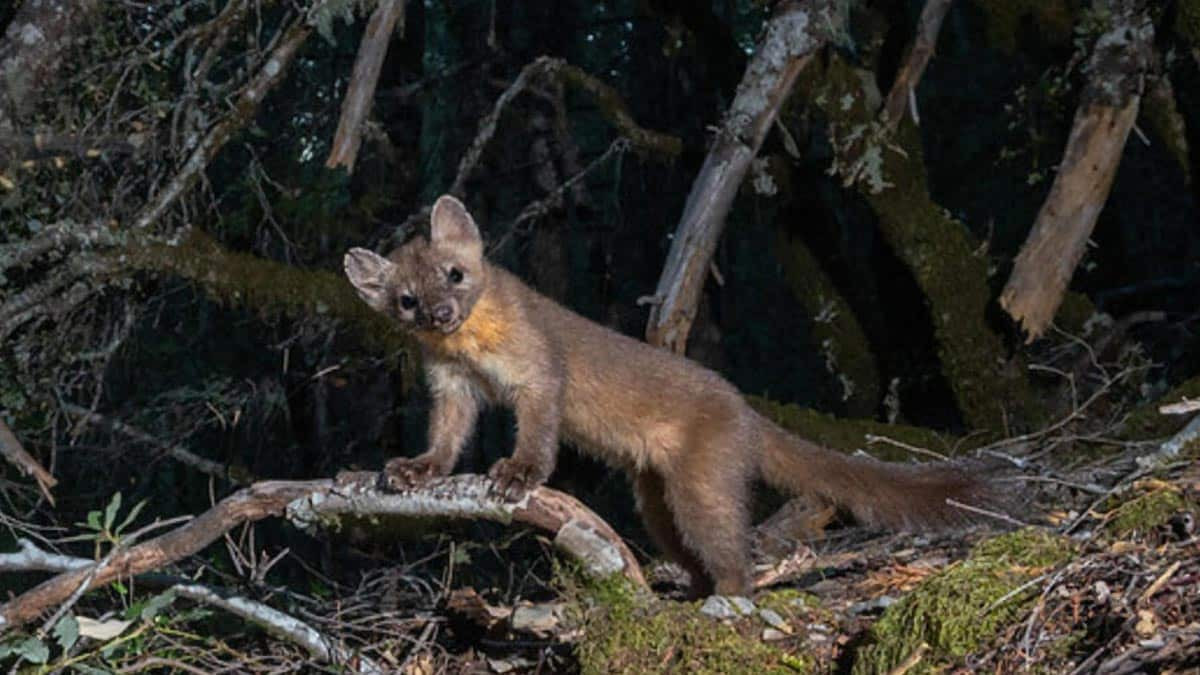
Once believed lost to history, this secretive mammal has been spotted again deep within the forests of Northern California. A recent investigation spearheaded by Oregon State University sheds light on these rare animals, confirming their continued existence.
The species, a petite carnivore roughly the size of a ferret, was once common up and down the West Coast but faced near extinction during the 1900s due to hunting and forest clearing. Scientists long assumed this small predator was gone, until a modest population was rediscovered in northern California’s coastal woodlands in 1996. The new findings affirm that the coastal marten remains part of this region’s wildlife.
Rarely Seen, Yet Still Present
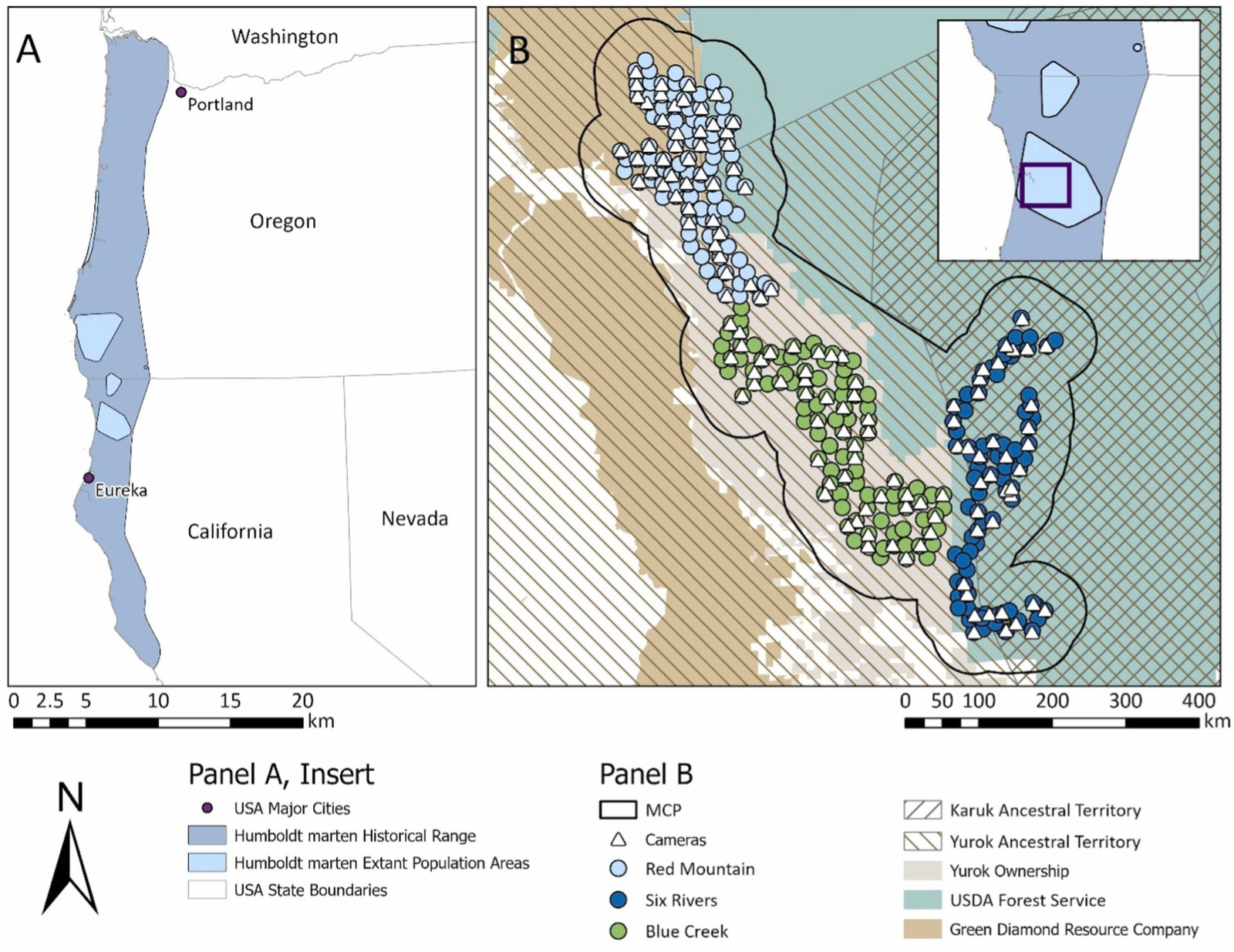
The study reveals that the coastal marten is an elusive resident of rugged, isolated terrain, known for its secretive behavior. In 2022, OSU scientists deployed remote cameras and hair-snaring traps over a span of 150 square miles in northern California’s forests. They managed to document 46 individual martens, confirming their ongoing presence in the wild.

Researchers observed these animals mostly in two distinct habitats: elevated forested ridges that experience winter snowfall and lower coastal ravines filled with dense tree cover. Their preference for these dense, snow-retentive forests highlights the crucial role that intact ecosystems play in their survival.
Facing Ongoing Threats
The future of the coastal marten remains precarious. Habitat loss intensified by climate-induced wildfires represents a persistent hazard. Additionally, logging operations, vehicular accidents, and harmful rodenticides continue to impact their already vulnerable population. Sean Matthews, a wildlife expert at OSU, emphasized:
“Coastal martens like forests with old-growth characteristics, and those types of forests are being threatened by the effects of climate change, including more frequent and severe wildfire, and certain forest management practices,” he explained. “Beyond that, there’s a lot we don’t know about this species, including information as basic as what forests do coastal martens still occupy, how many martens are there, and are these populations increasing.”
Heritage and Conservation Efforts
Perhaps the most inspiring aspect revealed by this research is the dedication of local communities to conserving these creatures. Indigenous groups such as the Yurok Tribe have long nurtured and restored the forests, managing the land sustainably long before modern scientific studies commenced.
“We have a lot to learn about marten distribution and demography, and how forest conditions influence their distribution and density,” said Erika Anderson, an OSU researcher and lead author of the study.
Ongoing research into these animals’ behavior and habitat needs will be essential for crafting effective conservation plans moving forward.
- Categories:
- News










0 comments
Sign in to Comment