
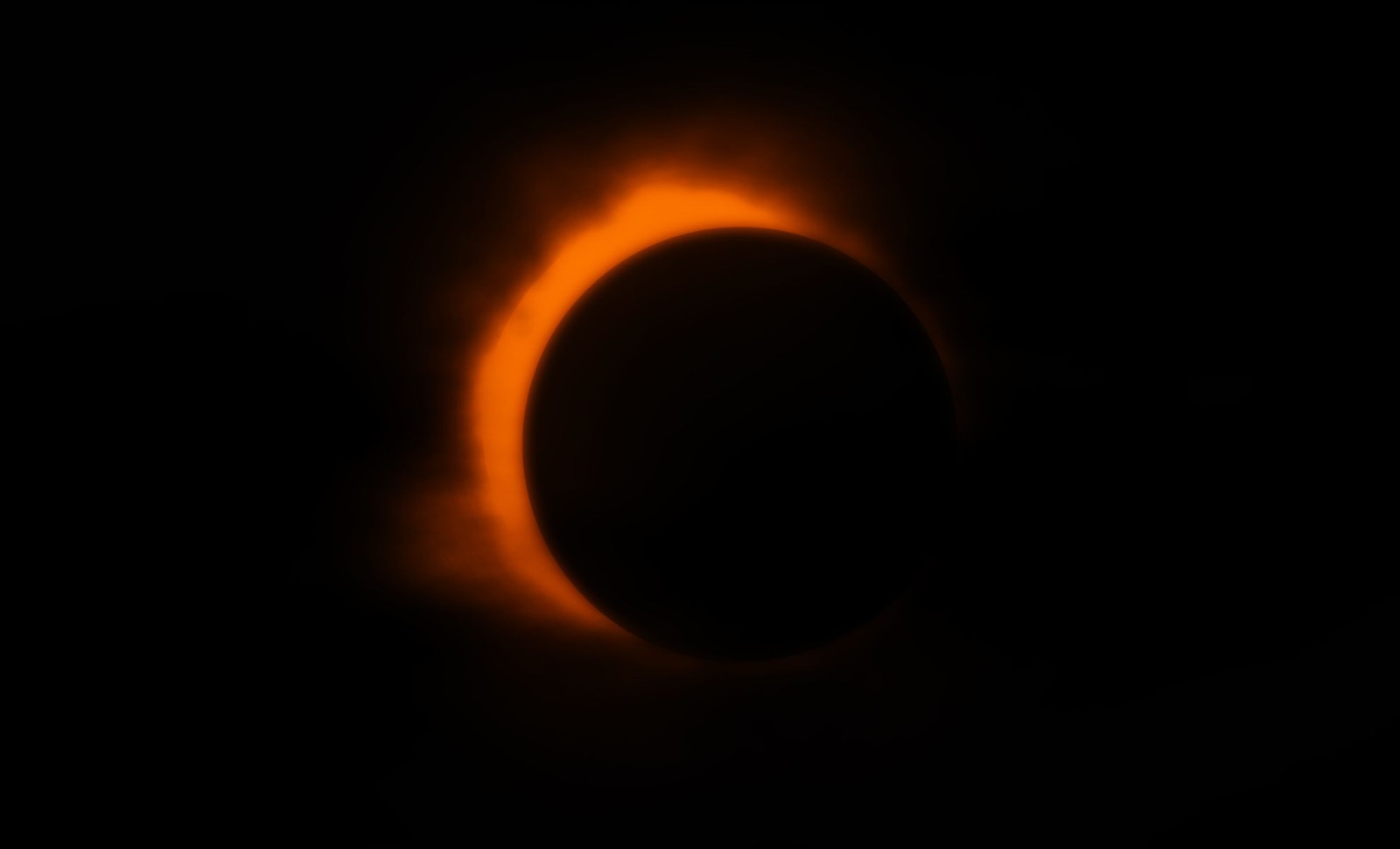
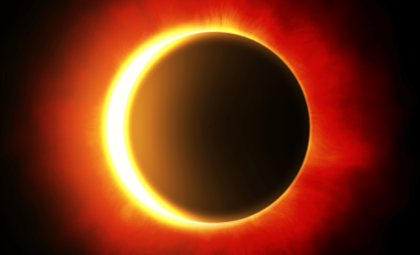
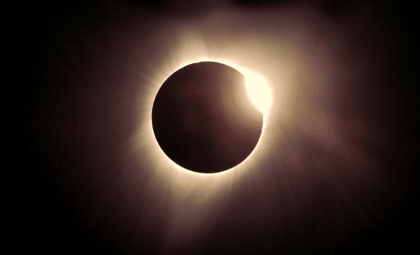
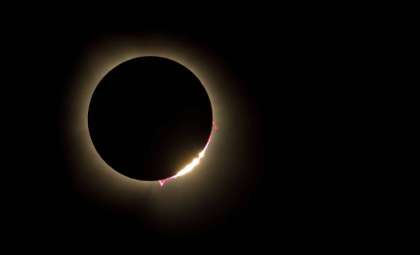
An extraordinary celestial event is set to occur on August 2, 2027: the longest total solar eclipse witnessed in 100 years. This remarkable eclipse will last an outstanding 6 minutes and 23 seconds, visible across regions of Europe, North Africa, and the Middle East, offering many observers an unforgettable show.
Unlike typical solar eclipses that only last a few minutes, this rare event stands out for its exceptional length. Referencing NASA’s solar eclipse calendar, the 2027 eclipse is expected to surpass all upcoming eclipses in duration, making it a once-in-a-lifetime spectacle.
A Unique Celestial Experience
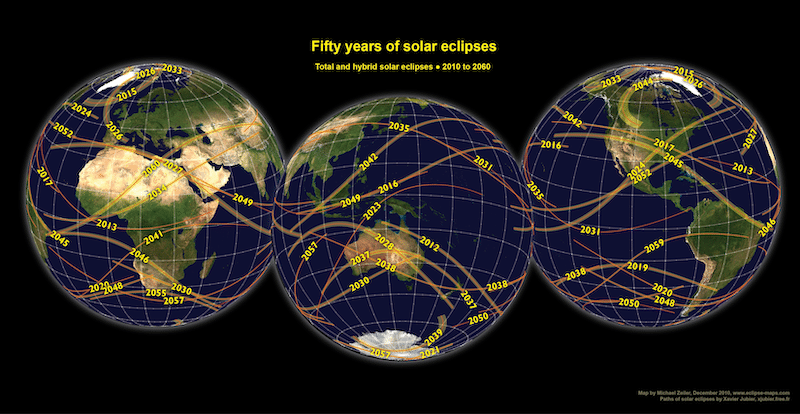
Solar eclipses are predictable yet vary greatly in length and occurrence. According to NASA’s Eclipse website, the upcoming event on August 2, 2027 will mark the longest eclipse in a century, lasting precisely 6 minutes and 23 seconds. The path of totality will commence in Morocco and southern Spain, crossing Algeria, Tunisia, Libya, Egypt, Saudi Arabia, and ending near the Somalian coastline.

The peak duration will be experienced in Egypt, particularly around the historic cities of Luxor and Aswan, known for their ancient monuments. These areas will witness the total eclipse in all its grandeur.
This total solar eclipse is a segment of a larger series of eclipses that sometimes span centuries. Observing it is completely safe when using the proper eye protection, dispelling myths that often surround these events. The moon’s shadow crossing Earth is a natural phenomenon with no harmful consequences for our planet.
Exploring Solar Eclipses: Duration and Locations
Solar eclipses vary in length but are more commonly brief. For example, the April 2024 eclipse in North America will last 4 minutes and 28 seconds, shorter than the 2027 event. Conversely, the August 2026 eclipse seen in Spain will last just 1 minute and 43 seconds. This contrast highlights how the 2027 eclipse will be the longest total solar eclipse visible for many years. NASA confirms such extensive eclipses are rare and highly anticipated by both scientists and enthusiasts worldwide.
Although the 2027 eclipse will be the century’s longest, other notable events include the 2045 eclipse, which will provide a totality lasting 6 minutes and 6 seconds, offering an impressive spectacle.
NEWS🚨: On August 2, 2027 the World will go dark for 6 minutes – a sight you won't see again for 100 year – Breathtaking Solar Eclipse will happen! pic.twitter.com/hE8ubEzCp2
— Curiosity (@MAstronomers) July 18, 2025
Dispelling Common Misconceptions About Solar Eclipses
Historically, solar eclipses have been surrounded by superstition and fear in many cultures, often seen as ominous events or harmful to health. Nonetheless, NASA emphasizes these worries are without scientific basis. A solar eclipse results naturally from the solar, lunar, and terrestrial alignment. There are no physical dangers to Earth or its inhabitants during the eclipse.
Despite the excitement and surrounding myths, the 2027 solar eclipse will simply be a magnificent example of the mechanics of our solar system in action.
- Categories:
- News




0 comments
Sign in to Comment