
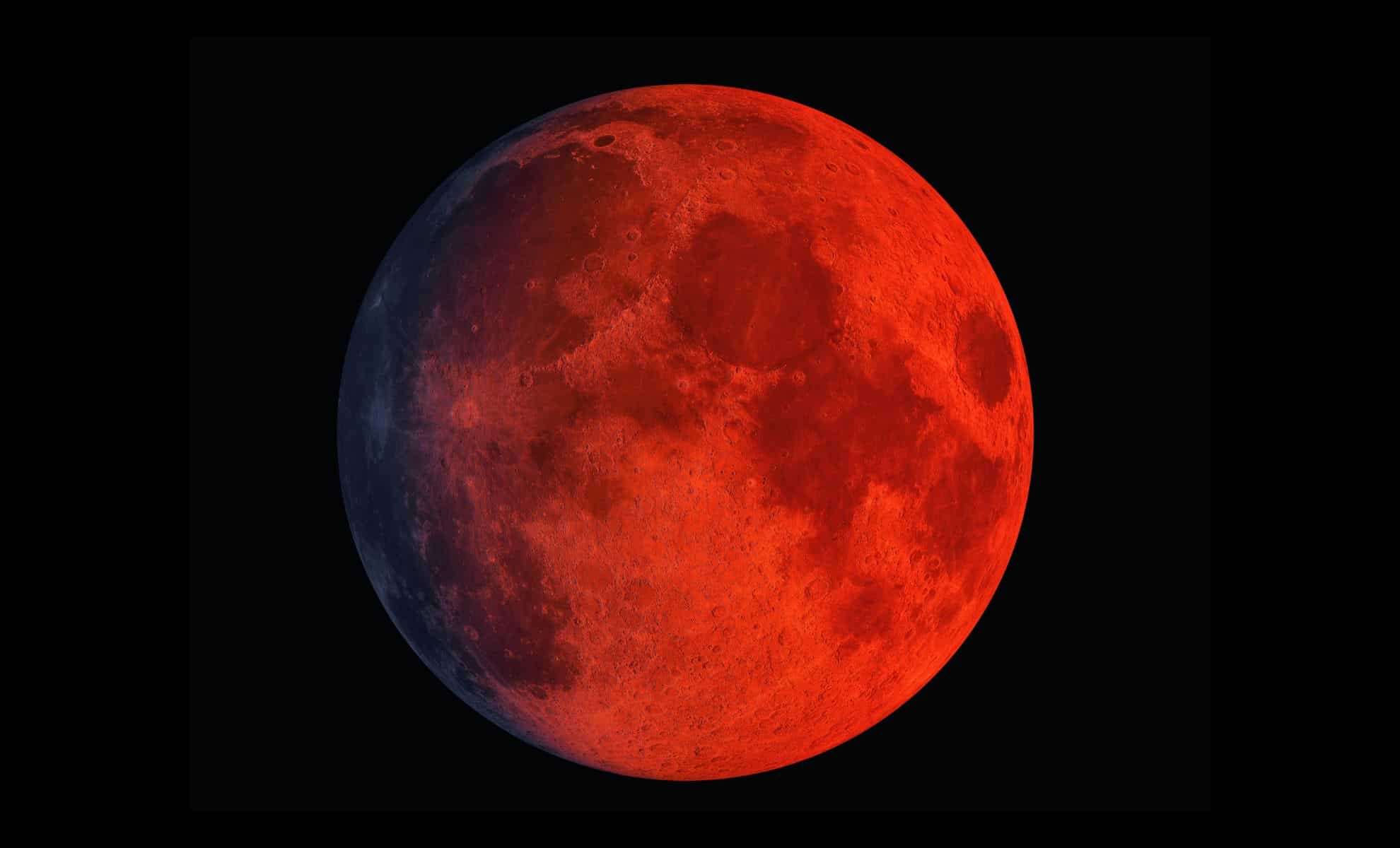
In the coming week, a rare and remarkable astronomical event will captivate viewers worldwide as a total lunar eclipse becomes visible to more than 7 billion individuals across the globe. As detailed by TimeAndDate.com, the eclipse occurring on September 7, 2025 promises extraordinary visibility, allowing people on all continents to watch the moon undergo a breathtaking transformation. Unlike an ordinary partial eclipse, a total lunar eclipse lends the moon a striking crimson glow, dubbed a “blood moon”, which results from sunlight refracting through Earth’s atmosphere and illuminating the lunar surface. This spectacular event has already spurred excitement among astronomers and skywatchers, who are preparing their equipment and resources to witness one of the most accessible eclipses recorded in history.
Distinctive Features of This Total Lunar Eclipse
This upcoming eclipse stands out not only because of its unprecedented global reach but also due to the moon’s unique path through Earth’s shadow. Lunar eclipses occur when the Earth positions itself directly between the sun and the moon, casting a shadow that obstructs sunlight. What makes this eclipse extraordinary is that almost every populated area on Earth will be privy to either the full or a partial view of the event. Though lunar eclipses typically happen two to four times annually, the perfect alignment of visibility, timing, and lunar altitude this year guarantees a once-in-a-lifetime spectacle unlikely to be matched for many decades.
Safe and Enjoyable Viewing Tips
Watching a lunar eclipse is much simpler and safer than observing a solar eclipse, requiring no special eye protection. The event can be seen clearly with the unaided eye, but binoculars or telescopes can reveal finer details such as the subtle elevations of shading and the deepening red tones on the moon’s surface. Photographers will have the chance to capture stunning shots combining the eclipse with recognizable earthly landmarks. Experts advise seeking places with low light pollution, preparing photography equipment for long exposures, and arriving early to track the gradual progression from penumbral to partial to full eclipse. Unlike solar eclipses, this celestial phenomenon is perfectly safe for viewers of all ages to experience firsthand.

Schedule and Length of the Eclipse
The event will initiate with the penumbral phase, as the moon begins to enter the faint outer shadow of Earth, causing a gentle dimming effect. This will be followed by the partial eclipse, when the moon moves further into the denser umbral shadow. The eclipse culminates in the total phase, where the moon will glow with a rich red tint. Totality is expected to last about 85 minutes, while the entire eclipse from start to finish spans multiple hours. Exact viewing times vary by location, but comprehensive interactive maps and schedules are available on TimeAndDate.com to assist observers worldwide. The extended duration offers ample time to enjoy and photograph this extraordinary astronomical display.
Scientific and Enthusiast Perspectives
For scientists, this eclipse is a valuable opportunity to study how sunlight scatters through Earth’s atmosphere, offering clues about its composition. The varying shades of red and orange indicate different levels of dust, pollution, and moisture high above our planet. Hobbyist astronomers and eclipse fans will use this chance to refine their lunar tracking skills, experiment with astrophotography, and share the event with loved ones. Social media platforms are expected to be flooding with vivid images and videos of the “blood moon”, turning the eclipse into a global cultural sensation. Its widespread accessibility is set to cement this event as both a scientific milestone and a shared moment of awe.
The Cultural Impact of Lunar Eclipses Worldwide
Historically, lunar eclipses have inspired countless myths, legends, and ceremonial practices around the world. Many early societies saw these celestial occurrences as meaningful omens or divine messages. Although modern science explains the phenomenon, the emotional and visual power of seeing the moon turn red endures. Across the globe, communities are organizing eclipse viewing gatherings, educational seminars, and live broadcasts to celebrate this extraordinary occurrence. In an age dominated by technology and urban life, such events remind us of our deep-rooted connection to the cosmos and the enduring cycles that influence life on Earth.
Photography Advice for Capturing the Eclipse
Photographers aiming to capture the eclipse should prioritize equipment stability and timing. Utilizing a tripod, remote shutter release, and high ISO settings will help produce clear images even in low-light conditions. Including familiar landmarks or cityscapes enhances the composition. The eclipse’s gradual nature provides many chances for diverse and captivating shots, from the initial shadows to the peak red glow at totality. Post-processing can further enhance the moon’s subtle color variations and the contrast between light and shadow. Planning ahead by checking local moonrise and moonset times will maximize the success of your eclipse photography.
- Categories:
- News




0 comments
Sign in to Comment