
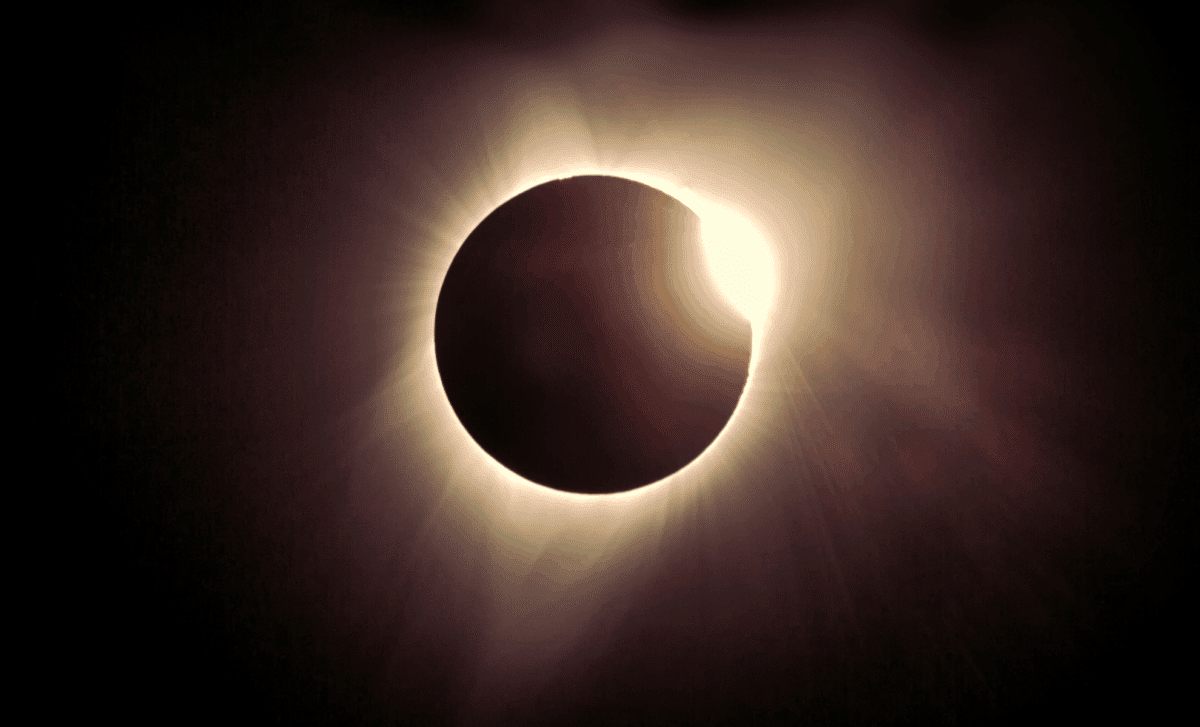
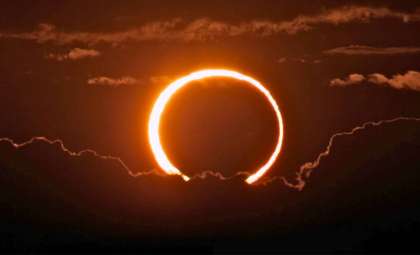
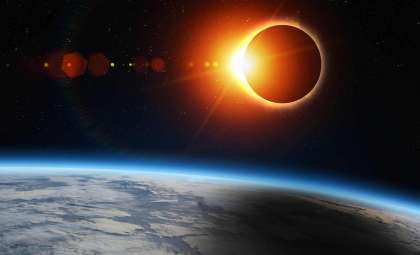
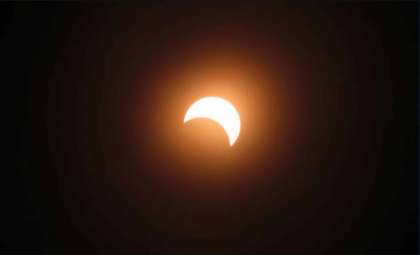
An extraordinary total solar eclipse is predicted to sweep across parts of Australia and New Zealand, promising an awe-inspiring celestial show. Sydney will witness this spectacular event for the first time in over 100 years, with the next occurrence not expected until 2858. NASA’s eclipse forecasts and TimeandDate reveal that viewers could experience several minutes of midday darkness, lasting as long as five minutes in certain locations. Mark your calendars for July 22, 2028, to catch this rare phenomenon.
Tracking the Path of Totality: Prime Viewing Spots
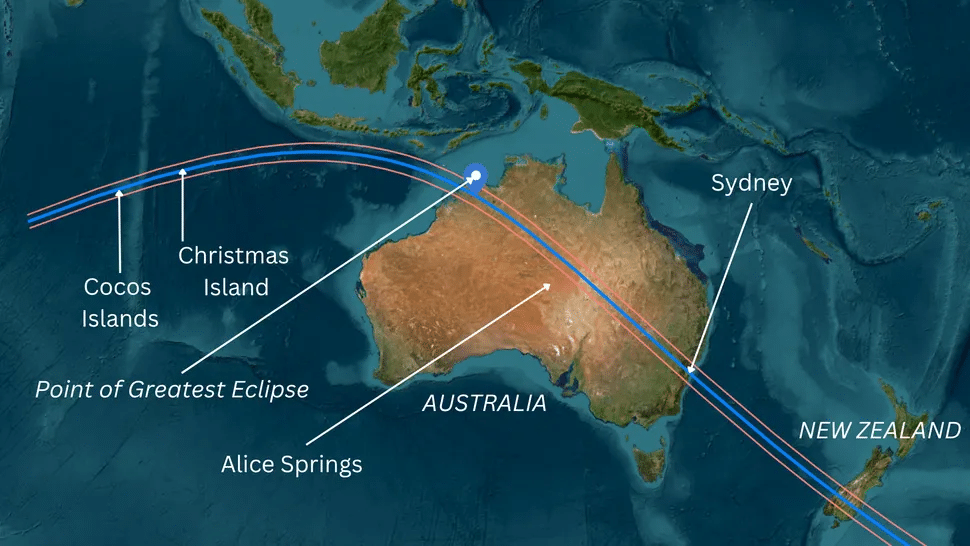
The total eclipse will cross a wide trail, about 230 kilometers (143 miles) broad, starting over the Indian Ocean and moving towards New Zealand. NASA’s projections show the eclipse’s first light emerging near the Indian Ocean, following a route over the Cocos and Christmas Islands before reaching Australia’s shores. It will then traverse from Western Australia across Queensland and New South Wales, before crossing the Tasman Sea on its way to New Zealand.
Sydney, known for its iconic skyline, will experience totality lasting around 3 minutes and 44 seconds. Still, the most advantageous viewing will be found further inland and in northern Australia where totality may exceed five minutes. Destinations such as Kununurra and Alice Springs in Western Australia are renowned for their cloudless skies, ideal for witnessing this event uninterrupted.

What Sets the 2028 Eclipse Apart?
The eclipse’s significance lies in its rarity, especially in Australia. Sydney hasn’t experienced totality since 1857, with landmarks like the Harbour Bridge and Opera House set against the shadowed sky. Although urban centers will attract large crowds, the remote surroundings offer the best chances for clear, expansive views. Notably, the UNESCO-listed Bungle Bungles in Purnululu National Park will enjoy over three minutes of darkness, attracting both photographers and astronomy enthusiasts.
In New Zealand, the event is equally remarkable as the shadow will sweep across the South Island for the first time in many years. The eclipse’s finale will occur close to sunset in cities such as Christchurch and Dunedin, creating a uniquely captivating sight.
Top Spots to Witness Totality
Australia is rich with ideal eclipse-watching areas. The Kimberley region in Western Australia is prized for its remote setting and excellent visibility, offering a chance to see both the eclipse and the Milky Way under clear night skies. Towns like Kununurra, with less than an 11% probability of cloud cover on July 22, 2028, are considered prime viewing locations.
In the Northern Territory, superb viewing awaits at Karlu Karlu (Devil’s Marbles), where the eclipse reaches its peak around 12:48 p.m. ACST, darkening the sky directly above the distinctive rock formations.
Meanwhile, New Zealand’s South Island will capture the eclipse’s final moments. While northern areas will see a partial coverage, visitor hubs like Queenstown will witness totality just before sunset, providing a dramatic conclusion to the day’s celestial event.
- Categories:
- News




0 comments
Sign in to Comment