
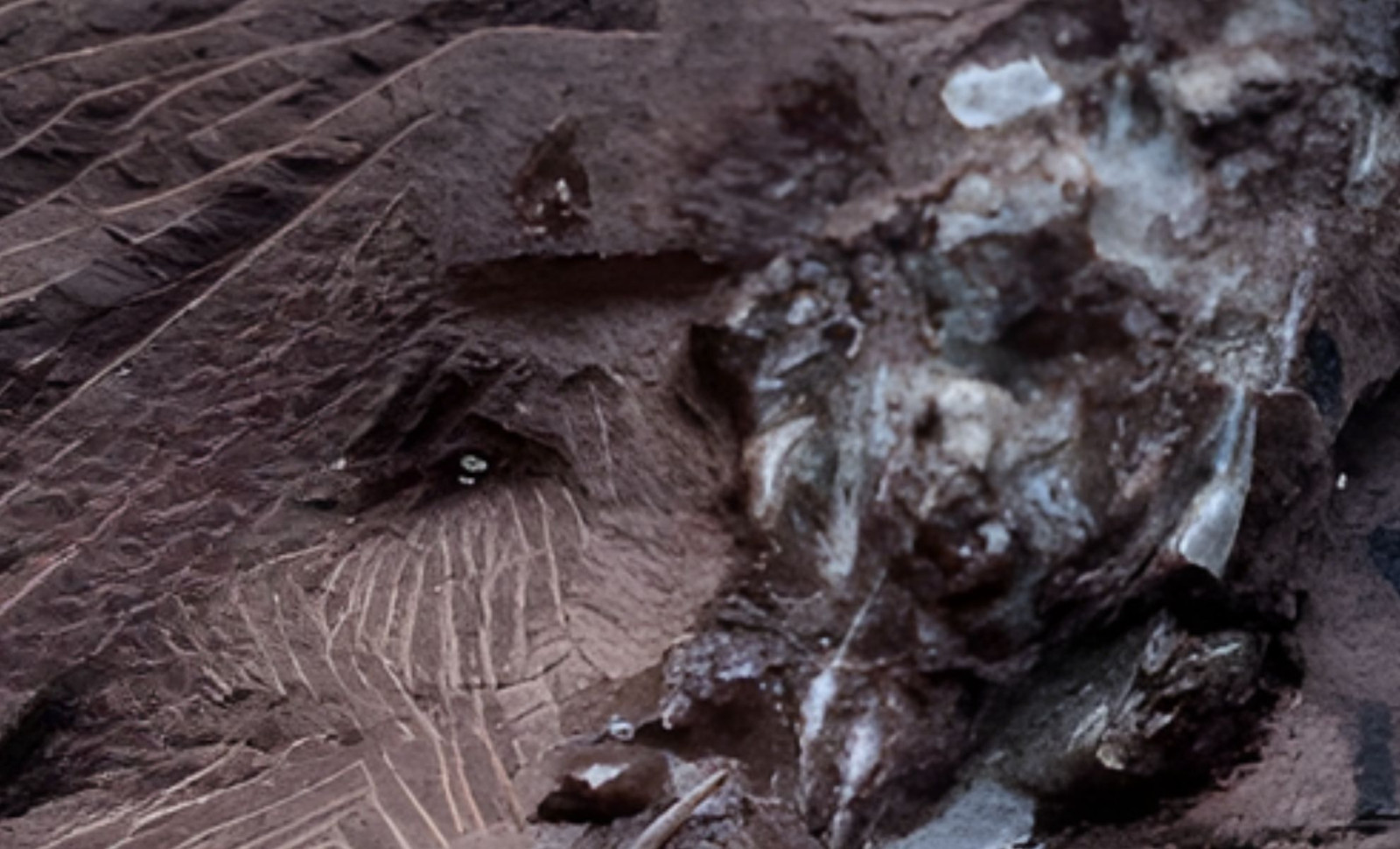
In Germany’s Bromacker region, scientists have uncovered an extraordinary fossilized regurgitation, or vomit, that dates back an astonishing 290 million years—well before the rise of dinosaurs. This rare find offers a valuable glimpse into the ecosystem of the Permian period.
Though the idea of studying fossilized vomit may seem unusual, these regurgitalites are invaluable to paleontologists. This particular specimen is the earliest recorded terrestrial regurgitalite, providing crucial clues about the eating habits and ecological dynamics of ancient creatures.
Dietary Insights from Early Carnivores
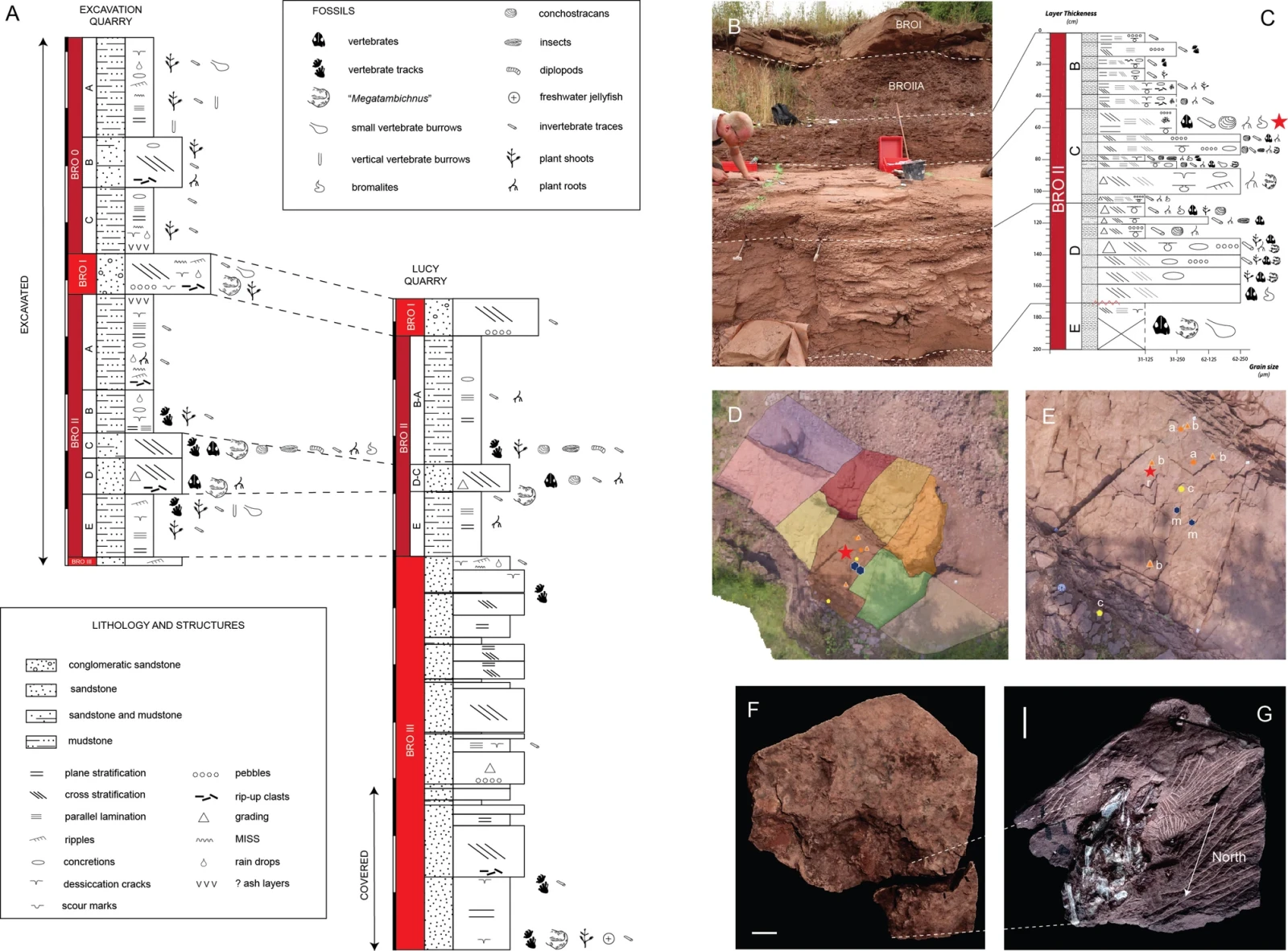
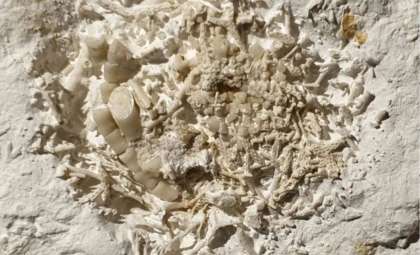
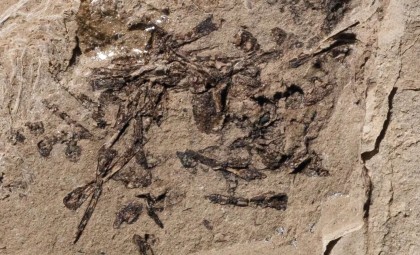
The regurgitalite excavated at Bromacker contained an assemblage of 41 small bones belonging to three separate reptile species. According to Arnaud Rebillard, a doctoral researcher at Berlin’s Natural History Museum, the well-preserved bones indicate they were expelled before digestion took place. The minimal phosphorus traces around the bones suggest this was true vomit and not fossilized feces, otherwise known as coprolites. Rebillard stated:

“This was clearly something that was eaten and then ejected from an animal,” underscoring the vomit’s significance.
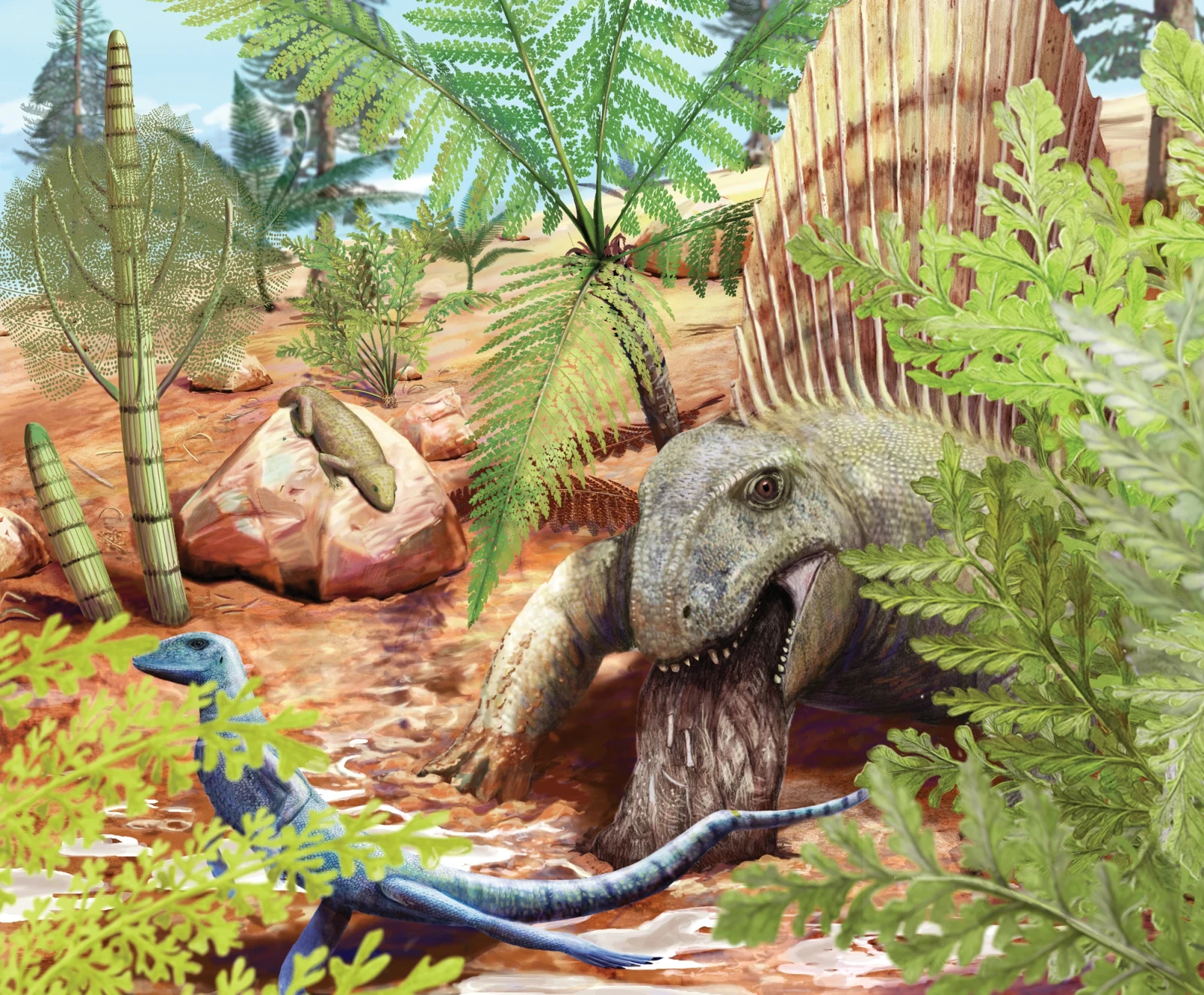
This regurgitalite deepens our understanding of predators such as Dimetrodon teutonis and Tambacarnifex unguifalcatus, synapsids inhabiting Bromacker during the Permian. These formidable hunters likely preyed on smaller reptiles, as suggested by the bones. Similar to today’s owls and Komodo dragons, these early predators appear to have expelled undigestible parts of their meals.
Advanced Imaging Unlocks Fossil Secrets
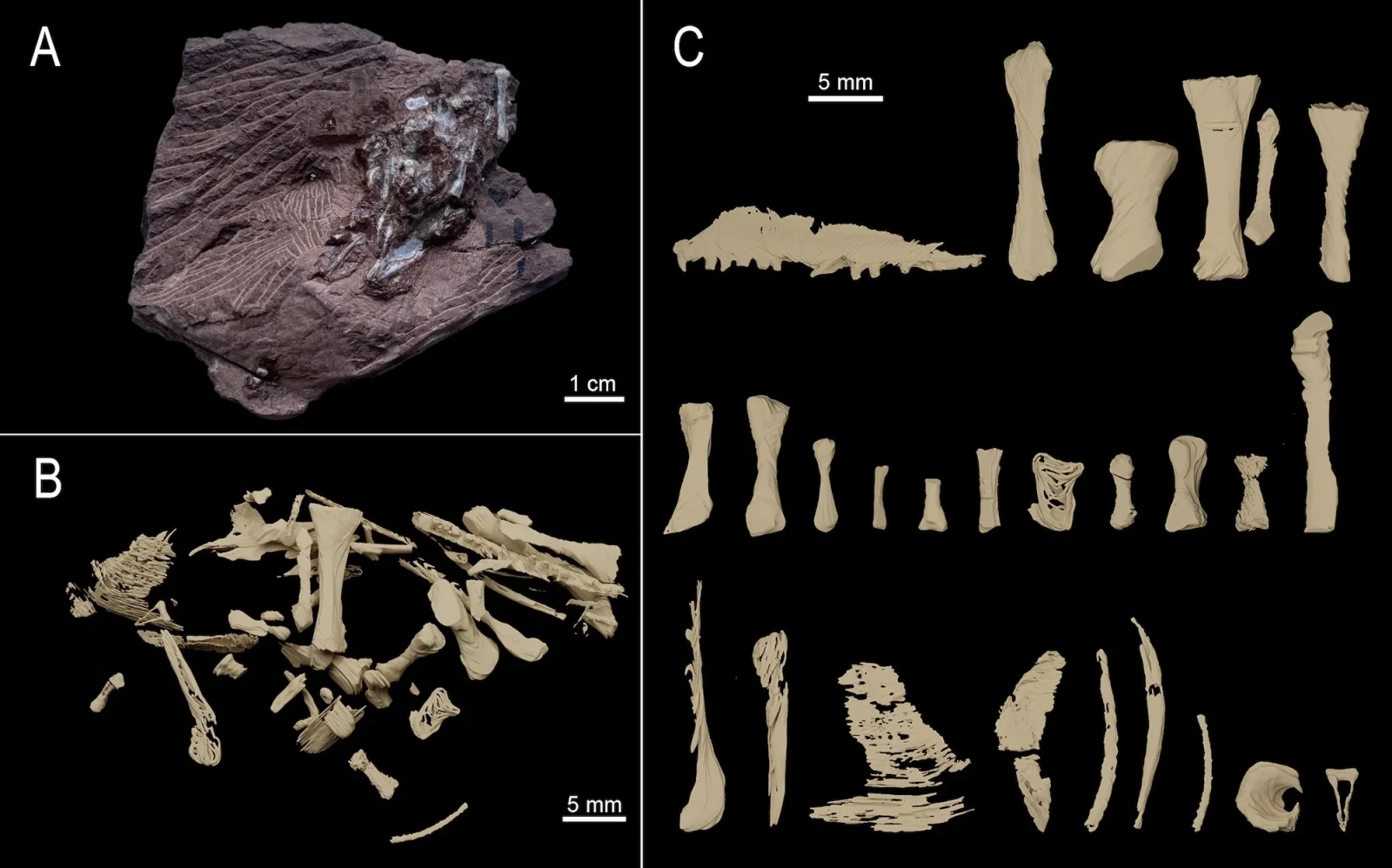
Initially unnoticed, the fossil vomit gained significance thanks to modern scanning technology. After cleaning, it underwent computed tomography (CT) scanning, which enabled scientists to visualize the bones with remarkable clarity. CT imaging allowed the digital separation of the 41 bones from the surrounding matrix, confirming the presence of bones from three distinct reptilian species. According to Rebillard, the scans “digitally extracted a cluster of 41 small bones,” facilitating precise species identification.
Published in Scientific Reports, this study highlights CT scanning as a major leap in fossil analysis. By producing detailed digital reconstructions, researchers can study ancient anatomies more accurately and gain deeper insights into prehistoric ecological interactions.
Revealing Ancient Food Webs
This fossilized vomit offers a rare window into predator-prey relationships in late Paleozoic environments. The presence of multiple species’ bones suggests predators, like Dimetrodon teutonis, had diverse diets. The researchers note:
“This specimen represents the geologically oldest terrestrial regurgitalite and reveals novel insights into the feeding behaviors and the trophic network in a late Palaeozoic continental ecosystem.”
These findings raise fascinating questions about early terrestrial predators’ behavior. The clustering of prey bones implies they may have coexisted within a brief timeframe. Rebillard suggests this points to opportunistic feeding habits among these ancient hunters, contrasting with earlier assumptions about their diets.
- Categories:
- Science


0 comments
Sign in to Comment