
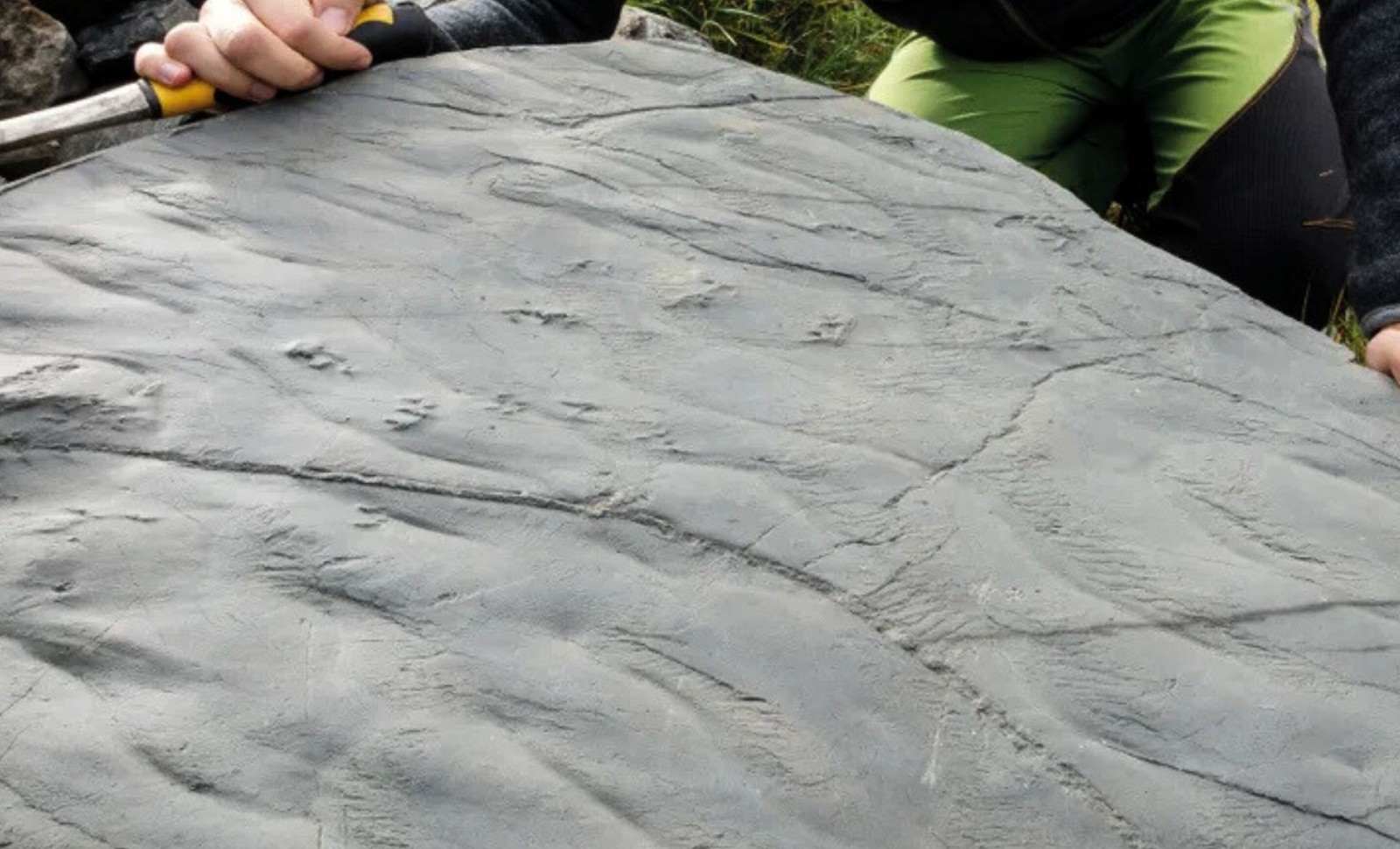
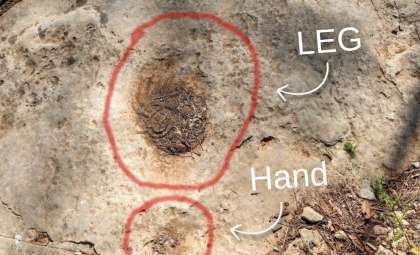
Last summer, while trekking through the Italian Alps, Claudia Steffensen stumbled upon a remarkable natural archive hidden in plain sight. Beneath her boots, she spotted fossilized footprints preserved in stone, footprints left by animals that lived approximately 300 million years ago, predating the reign of dinosaurs by millions of years.
What makes Steffensen‘s discovery particularly compelling is that these fossil traces emerged as snow melted—an indication of ongoing climate change. The footprints, attributed to ancient reptiles and amphibians, have sparked intense interest among paleontologists keen to explore this prehistoric habitat. Further investigation has revealed additional tracks, suggesting the area was once part of a vast, thriving ecosystem.
Exploring Life Before Dinosaurs
The Permian period, spanning from approximately 299 to 251 million years ago, is often overshadowed by the dinosaur era but represents a pivotal phase in Earth's history when reptiles and amphibians came to dominate terrestrial habitats.

Lorenzo Marchetti, a paleontologist at Berlin’s Museum of Natural History, emphasized the significance of the site’s wealth of fossils.
“This is the most abundant and well-preserved Permian site I’ve studied.” He was “amazed by the quality and quantity of the material.”
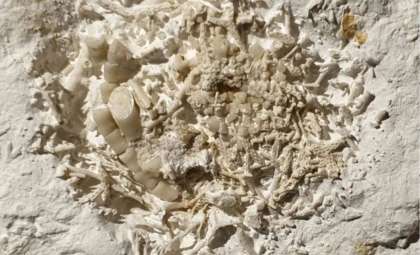
The footprints were formed in soft, water-saturated earth, capturing detailed impressions of these ancient beings’ movements. Some reveal intricate features like toe morphology and skin textures.
“The conservation of these details is impressive,” Marchetti noted, “like the imprint of some animals’ fingertips and belly skin.”
Climate Change Reveals Hidden Fossil Treasures
As glaciers shrink in the Alps due to rising temperatures, previously ice-covered rocks and plant matter are becoming exposed. This natural phenomenon has uncovered fossils concealed for millions of years, opening new avenues for scientific research.
“We expect to find many more tracks and fossils in the coming years,” affirmed Ausonio Ronchi, a researcher at the University of Pavia, in a statement.
Although the loss of glacial ice is cause for concern, this unexpected access to ancient fossils provides a rare glimpse into Earth's deep past.
Pre-Dinosaur Giants Captured in Stone
While dinosaur fossils tend to capture public attention, the Permian period itself was a dynamic interval rich with diverse life forms, including early reptiles, amphibians, and various plants. The newly uncovered fossils in the Alps offer valuable insight into the ecosystems before the massive Great Dying, the largest mass extinction in Earth's history.
Cristiano Dal Sasso, a paleontologist from Milan's Natural History Museum, highlighted the impressive scale of some of the prints.
“The authors of the biggest prints discovered here had to nevertheless have notable dimensions—up to two to three meters in length,” he said.
These sizable creatures, though not dinosaurs, were the dominant fauna of their time, and their preserved tracks allow us to reconstruct a world long vanished.
- Categories:
- Science


0 comments
Sign in to Comment