
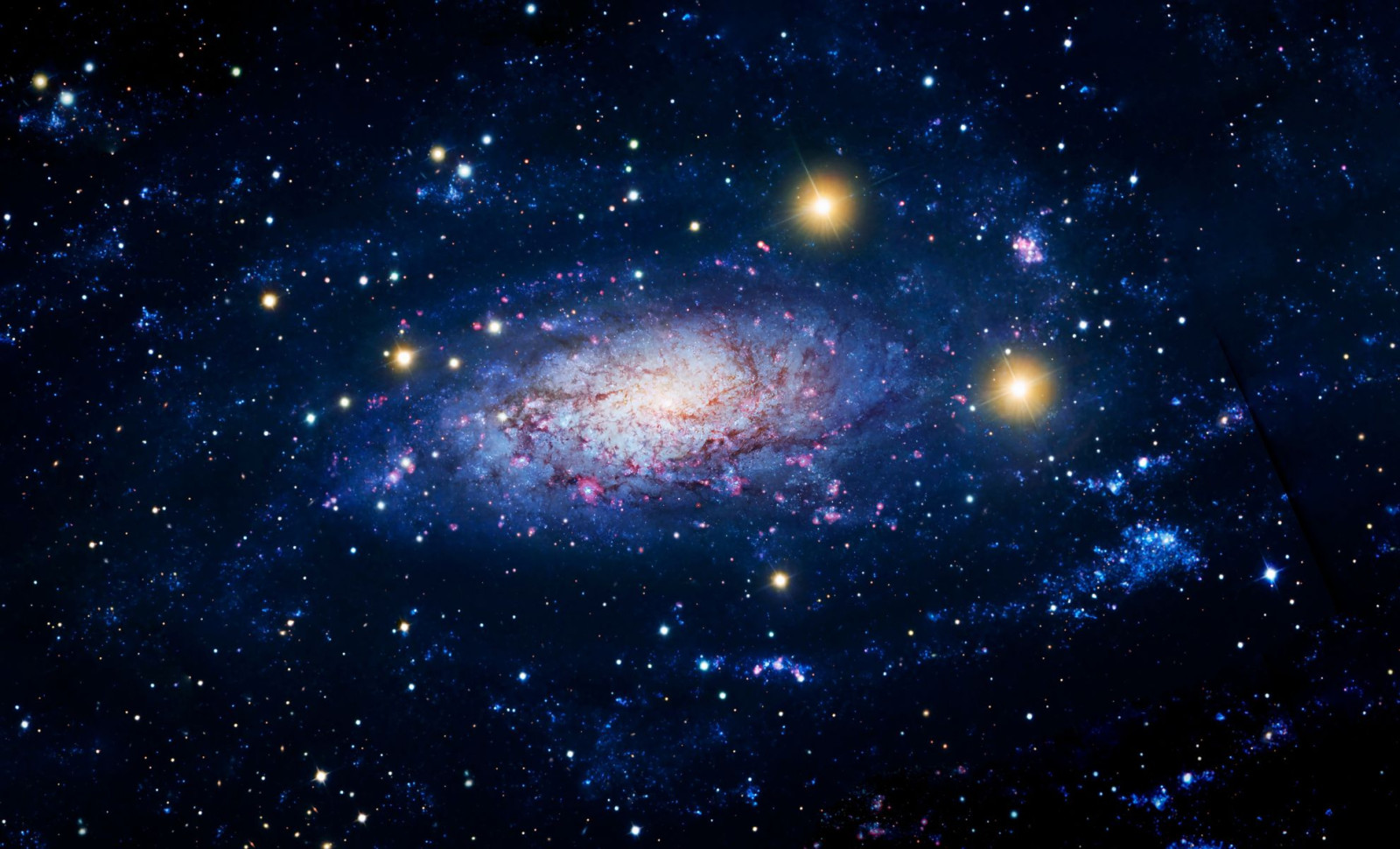
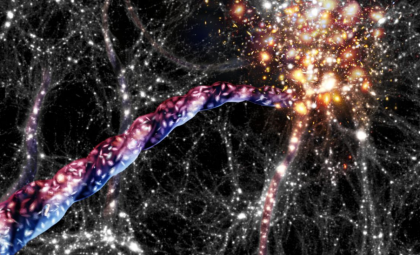
Researchers have discovered an exceedingly thin and elongated filament composed of gas and dust within the Milky Way, measuring over 300 light-years in length but only a couple of light-years wide. Dubbed “Nessie”, this intriguing formation could be crucial for mapping the galaxy’s underlying structure.
Studying the Milky Way from our inside vantage point has historically posed challenges for astronomers attempting to chart its large-scale features. Objects like this filament serve as vital markers that help delineate the galaxy’s spiral patterns.
The discovery was unveiled by Alyssa Goodman of the Harvard-Smithsonian Center for Astrophysics at an American Astronomical Society conference, building on earlier infrared observations with fresh data analysis.

An Impressive Length Paired with Extreme Slimness
The structure spans an impressive distance exceeding 300 light-years but remains remarkably slim at just about 1 to 2 light-years wide. According to Alyssa Goodman, its slender proportions make it look more like a delicate bone than a bulky cloud, a comparison she used to highlight its distinctive form.
“This is the first time we’ve seen such a delicate piece of the galactic skeleton,” she said. “This bone is much more like a fibula — the long skinny bone in your leg — than it is like the tibia, or big thick leg bone.”
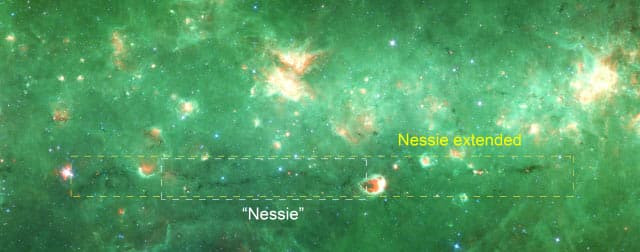
This filament harbors material massing roughly 100,000 times the mass of the sun. Research shared on arXiv emphasizes that this enormous mass is concentrated along a narrow path aligned with the galactic plane, crafting its unique form.
Extending Beyond Initial Observations
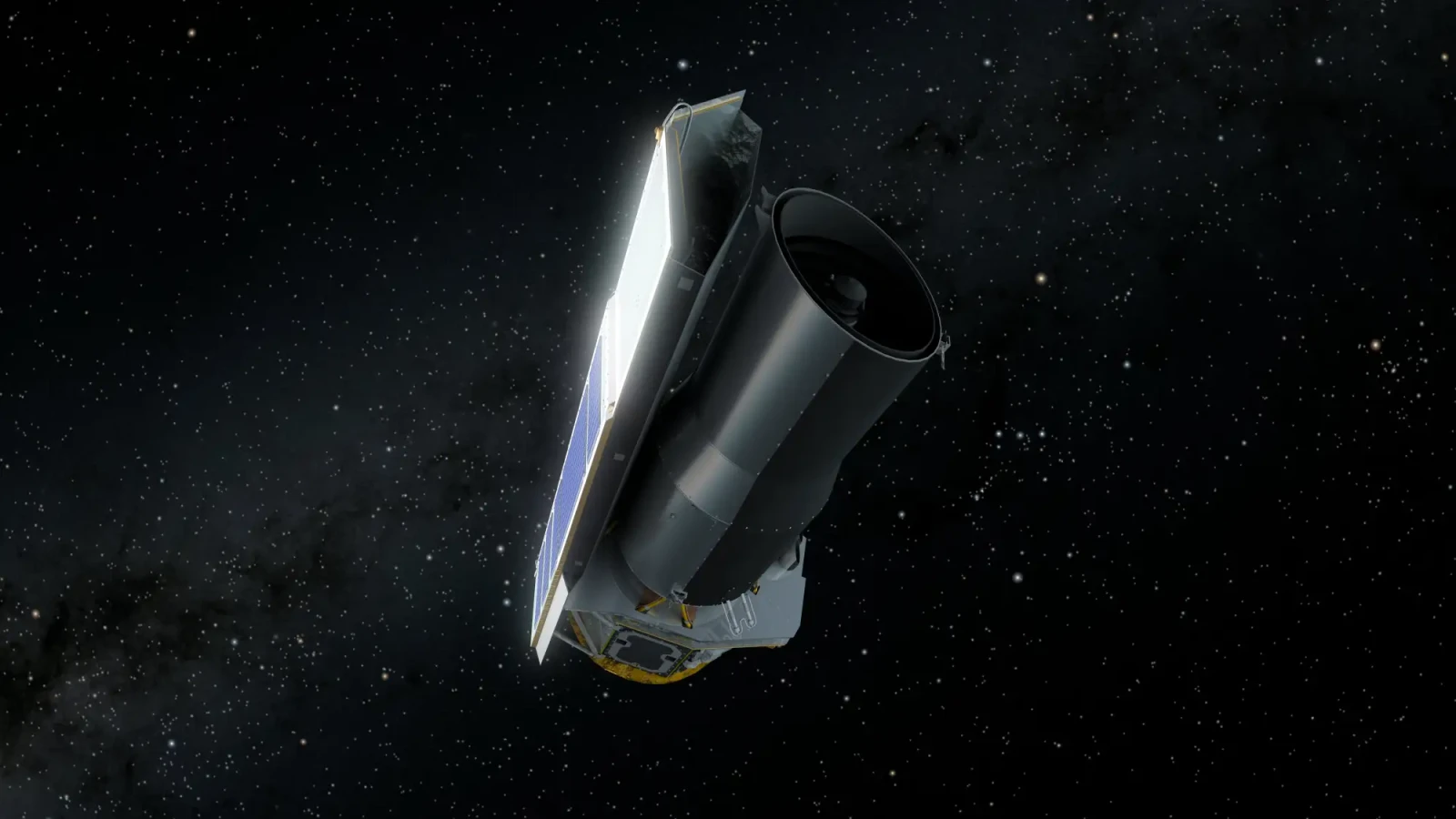
Originally spotted in 2010 through data from NASA’s Spitzer Space Telescope, only the central portion of “Nessie” was visible at first. New analysis suggests the full length could be up to eight times greater than initially measured.
This substantial revision reshapes our understanding, transforming what was thought to be a single filament into an extensive, cohesive structure, as highlighted at the American Astronomical Society meeting.
Charting the Milky Way’s Shape in Three Dimensions
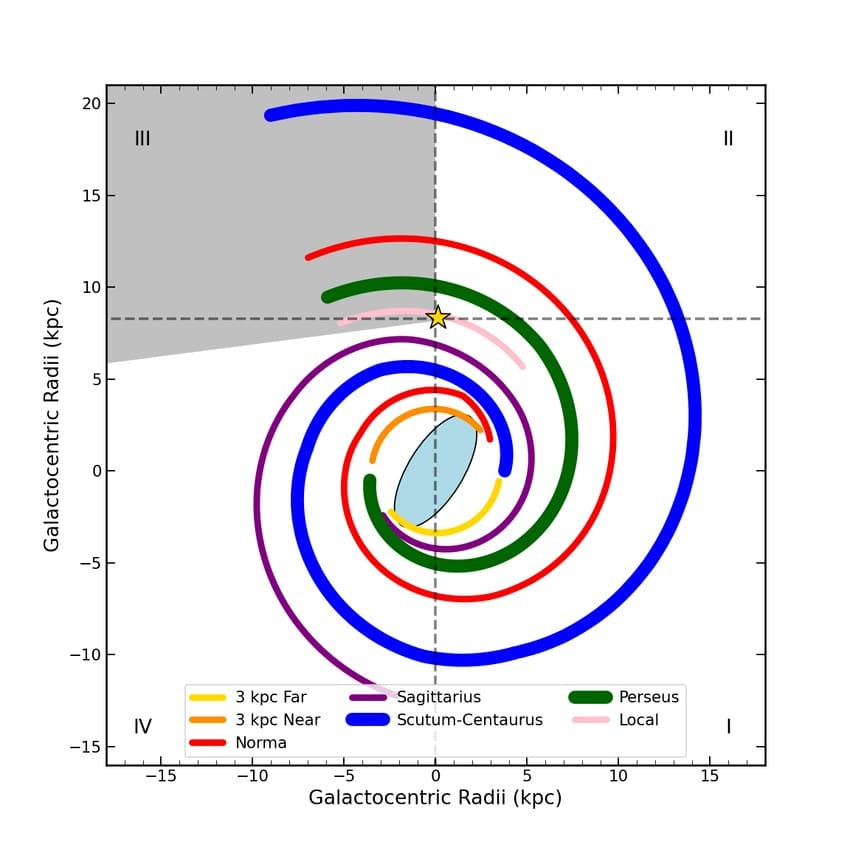
Because we observe the Milky Way from within, understanding its structure presents significant complexity. Goodman emphasized that filaments like Nessie might trace the outlines of spiral arms or serve as connectors among larger galactic components, functioning as cosmic landmarks.
“The very long and thin infrared dark cloud “Nessie” is even longer than previously thought, and its galactic position suggests that it lies directly in the Milky Way’s mid-plane, tracing a highly elongated, bone-like feature within the prominent Scutum-Centaurus spiral arm,” wrote the authors.
Simulations modeling spiral galaxies have foretold the presence of such filament networks, and similar structures have been seen in other galaxies. Locating more “bone” structures could enable scientists to create a more comprehensive three-dimensional map of our galaxy and deepen our understanding of its composition.
- Categories:
- Astronomy





0 comments
Sign in to Comment