
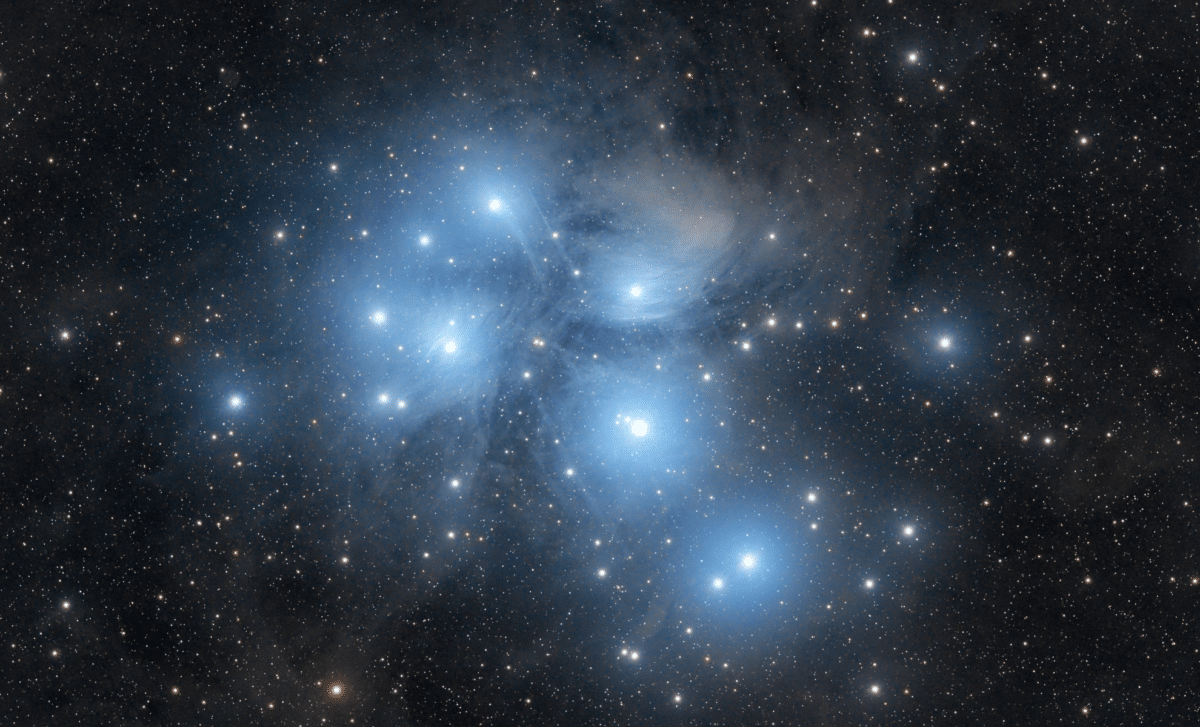
A globular cluster located near the Milky Way's core is slowly breaking apart, according to recent research posted on arXiv. This discovery offers valuable clues about the formation of the Galactic bulge from primordial stellar systems.
The Gradual Disintegration of NGC 6569
Situated roughly 35,000 light-years away in the Sagittarius constellation, NGC 6569 ranks among the oldest globular clusters known, with an estimated age of about 13 billion years. New data collected through the Anglo-Australian Telescope reveals that this ancient cluster is losing stars gradually, driven apart by the powerful tidal forces exerted by the Milky Way’s gravitational pull.
This breakthrough comes from the first wide-field, medium-resolution spectroscopic survey of NGC 6569, performed under the MWBest survey (Milky Way Bulge Evolution Survey Team). The researchers state, “We have completed the initial wide-field, medium-resolution spectroscopic survey of NGC 6569, uncovering evidence that the cluster is actively shedding stars due to tidal stripping.”

Tidal stripping, the process where a larger gravitational entity like the Milky Way extracts stars from a smaller gravitationally-bound system such as a cluster, is rarely observed in such clear detail. This finding offers direct evidence of a globular cluster in the act of being dismantled.
Insight from ArXiv: Tracing the Cluster’s Final Stages
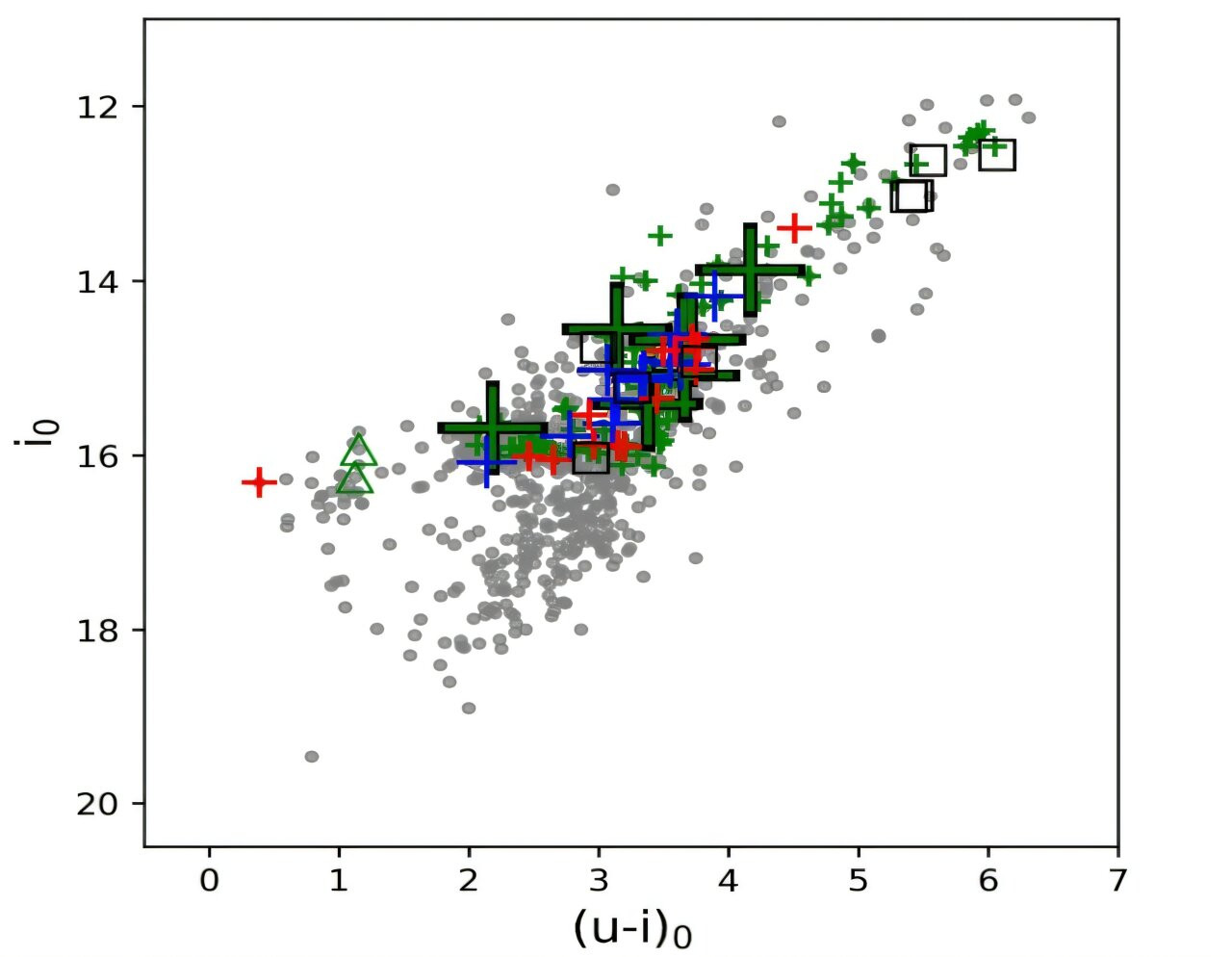
The publication on arXiv provides one of the most extensive examinations of the faint outer halo of NGC 6569, an area normally too diffuse to study in detail. Analyzing spectral measurements from over 1,000 stars, and using statistical methods to distinguish cluster members from field stars, scientists identified more than 40 stars that have escaped the cluster’s gravitational hold.
By examining the motion and chemical composition of these stars, the team confirmed that the cluster’s gradual dissolution is actively taking place. This phenomenon is no longer theoretical or historical but currently occurring in the Milky Way’s central regions. The shedding of stars from clusters like NGC 6569 might directly supply the Galactic bulge’s stellar population, offering new perspectives on how this dense galactic core formed.
“Applying this methodology across the entire MWBest dataset will help reveal the overall impact of globular cluster disintegration on the construction of the Galactic bulge,” the researchers concluded, indicating a broader study is in progress.
Implications for Understanding Galactic Formation
The Galactic bulge is a dense, spherical core of the Milky Way, crucial for unraveling our galaxy’s evolutionary history. One prevailing hypothesis suggests it partly formed from the remnants of globular clusters slowly dismantled by the Milky Way’s gravity. Observations of NGC 6569 provide solid support for this idea.
The metallicity of NGC 6569’s stars closely matches that of other bulge stars, implying stripped members blend seamlessly into the bulge population. This overlap complicates tracing galactic history but supports the notion that many of the Milky Way’s oldest stars may trace their origin back to clusters like NGC 6569.
The spectroscopic methods applied in this study pave the way for tracking star losses from other globular clusters. As more clusters within the MWBest sample are explored, the cumulative effect of cluster disruption on the Milky Way's structure should become clearer. Meanwhile, NGC 6569 remains a clear example of a star cluster dissolving into the Galactic core.
- Categories:
- Astronomy





0 comments
Sign in to Comment