
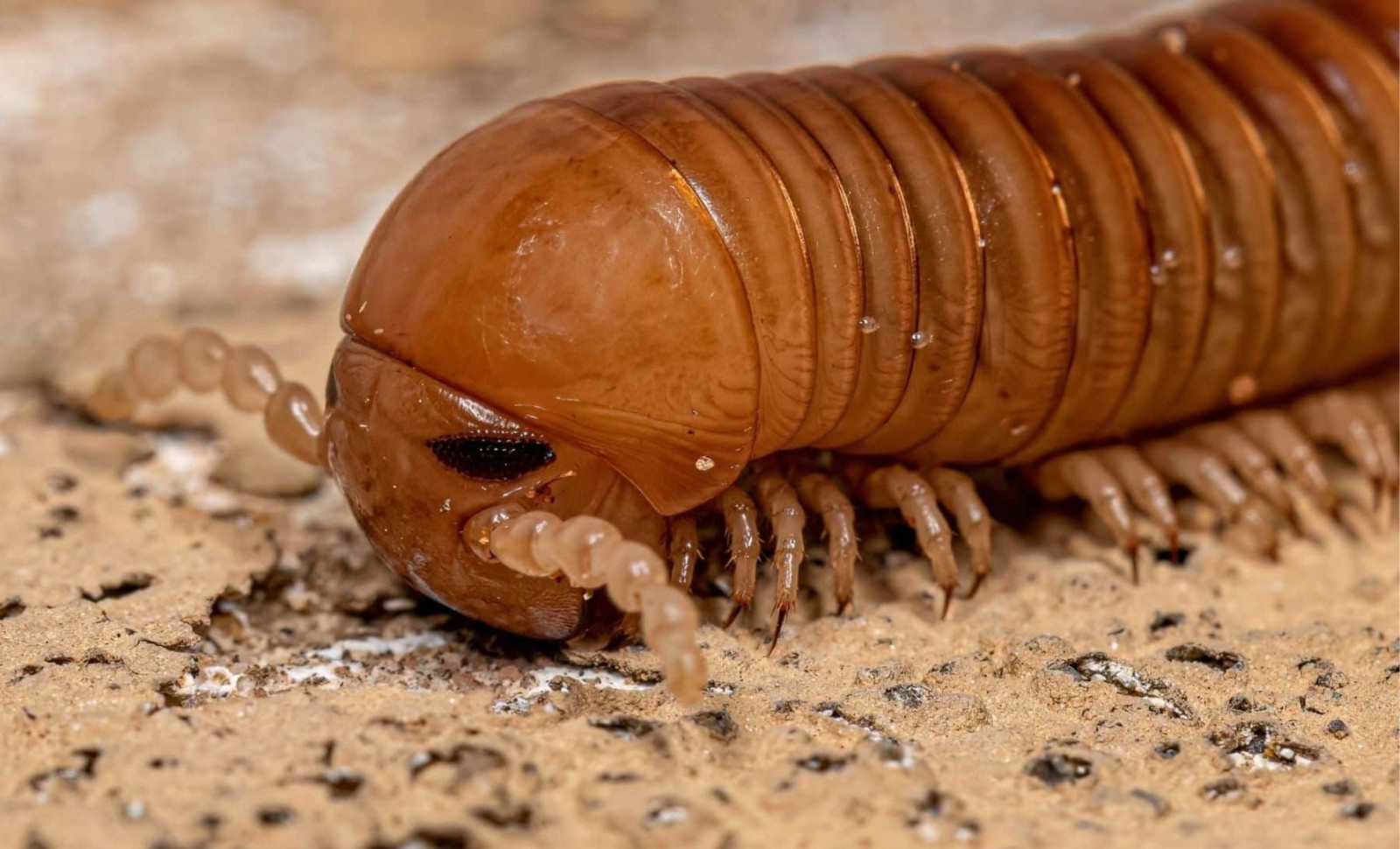
A striking fossil discovered on a secluded beach in northern England has shed light on one of the largest terrestrial invertebrates to ever exist—a giant millipede measuring nearly nine feet long. Hidden within a sandstone rock, this specimen is part of the Arthropleura genus, now confirmed as the biggest land invertebrate known from Earth’s past.
This immense creature thrived over 326 million years ago in the Carboniferous period, predating the age of dinosaurs by millions of years. The find holds great importance not only due to its impressive size but also because it challenges current understanding of prehistoric arthropod ecology and evolution.
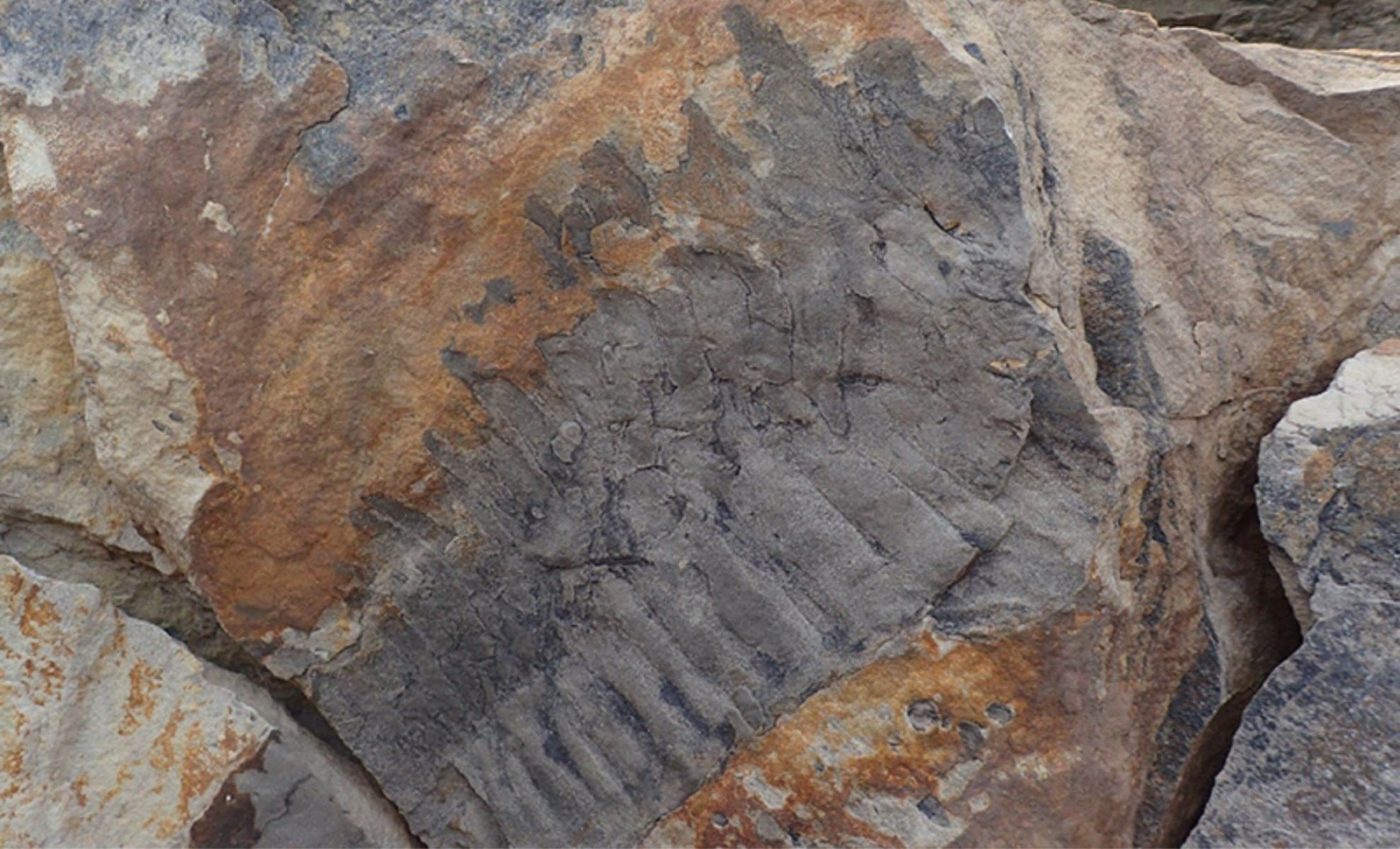
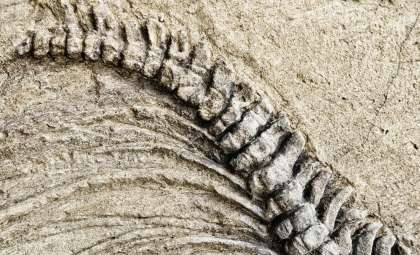
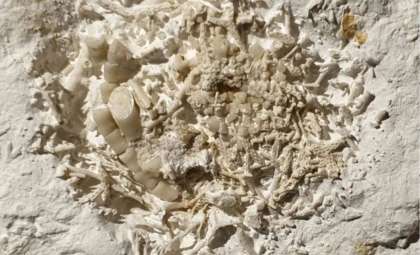
Unearthed at Howick Bay in Northumberland after a landslide exposed a split boulder, the fossil presented a nearly flawless segment of Arthropleura’s exoskeleton. Scientists from the University of Cambridge promptly identified the fragment belonging to a creature estimated to grow up to 2.7 meters long and weigh approximately 50 kilograms.

Earth’s Largest Known Terrestrial Invertebrate
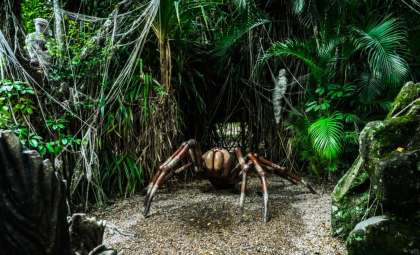
The discovered fossil measures 75 centimeters but only represents a partial molt of the animal’s outer shell. Size estimations suggest the full millipede could rival a small car in length. These dinosaurs-era giants once traversed the lush tropical landscapes of present-day Great Britain, which was situated close to the equator during the late Carboniferous.
Compared to previous smaller and more fragmented fossils found in Germany, this specimen is the largest and most intact on record. It was preserved within an ancient river channel deposit rather than the coal swamp habitats formerly believed to be typical for Arthropleura. This implies the species favored open woodland areas adjacent to waterways, subsisting on decayed plant matter and possibly small animals.
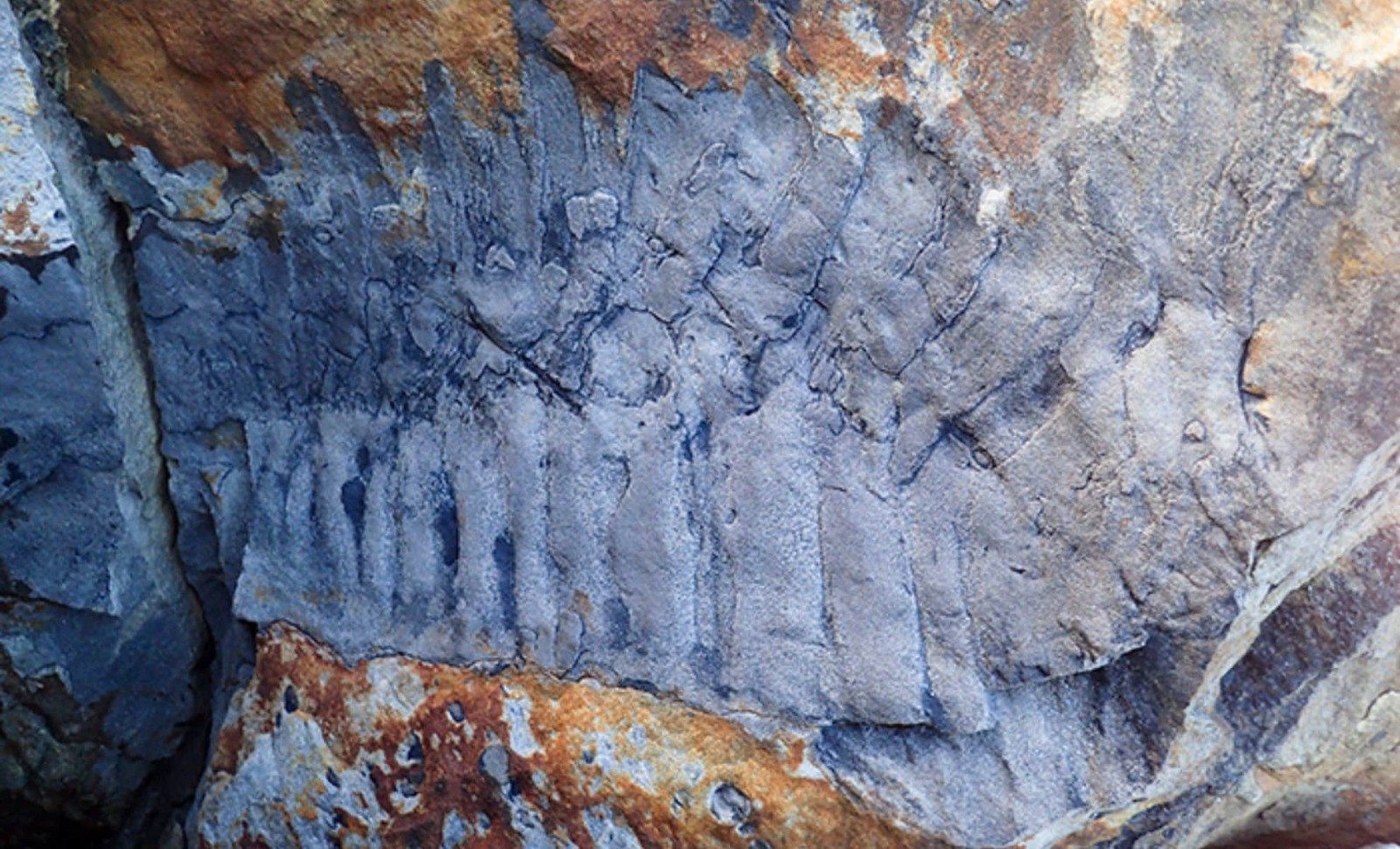
Dr. Neil Davies from Cambridge described the unusual find as serendipitous after a former student spotted the fossil on the coastal path. The excavation occurred in mid-2018 with backing from Natural England and local landowners.
Details of the specimen and its impressive size were published in the Journal of the Geological Society, which affirms this find as the largest arthropod discovered to have lived on land.
Rethinking the Causes of Ancient Arthropod Gigantism
For years, researchers attributed the enormous size of Paleozoic arthropods to elevated atmospheric oxygen levels. However, this fossil dates to a period preceding the late Carboniferous oxygen peak when oxygen sat at about 23%, just modestly above today's 21%. This evidence challenges the notion that oxygen concentration solely drove their massive sizes.
This discrepancy has compelled scientists to consider other factors such as plentiful plant-based food, absence of land predators, and consistent equatorial climates that favored large-bodied invertebrates.
Supporting data comes from a 2024 publication in Science Advances, where CT scans of juvenile Arthropleura fossils from France revealed detailed morphology for the first time. These scans showed the head anatomy including short antennae, protruding stalked eyes, and internal jaw structures, positioning the species within an extinct group sharing traits with both millipedes and centipedes.
These insights suggest Arthropleura belonged to an ancestral millipede lineage, distinct from modern relatives, offering new perspectives on its ecological role and physiology.
The Demise of the Carboniferous Giant
Although dominant in equatorial zones for around 45 million years, Arthropleura disappeared by the early Permian, roughly 290 million years ago. Shifts toward drier, more seasonal environments likely reduced suitable habitat for this moisture-dependent creature.
Researchers propose that the molting process, critical for invertebrate growth, became increasingly hazardous as humidity declined. Large size made molting especially sensitive to environmental stability, and expanding arid conditions during the Permian possibly contributed to their extinction.
Other hypotheses consider competition with early reptiles vying for food or territory, though direct fossil evidence of such interactions remains absent.
Complete adult skeletons remain undiscovered; most fossils represent molted exoskeleton sections. Missing head fossils limit full understanding of behavior and feeding mechanisms.
A New Perspective on Ancient Ecosystems
This fossil find transcends a simple paleontological milestone—it vividly illustrates the diversity and complexity of prehistoric ecosystems. The sheer magnitude and longevity of Arthropleura suggest these giant invertebrates flourished across extensive equatorial woodlands, not just confined swamps.
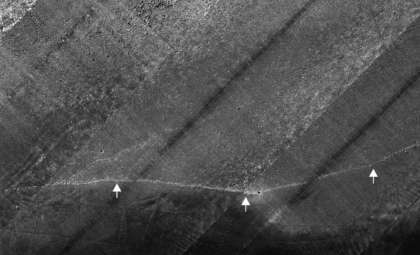
Trackway fossils from locations like Nova Scotia reveal slow, ponderous movement across ancient forest floors, with footprints spanning over a meter, corroborating estimated body sizes despite incomplete skeletons.
Exhibited now at the Sedgwick Museum of Earth Sciences, this Northumberland fossil provides visitors an extraordinary glimpse into a long-lost world populated by giants armored with segmented exoskeletons rather than bones.
- Categories:
- Science





0 comments
Sign in to Comment