
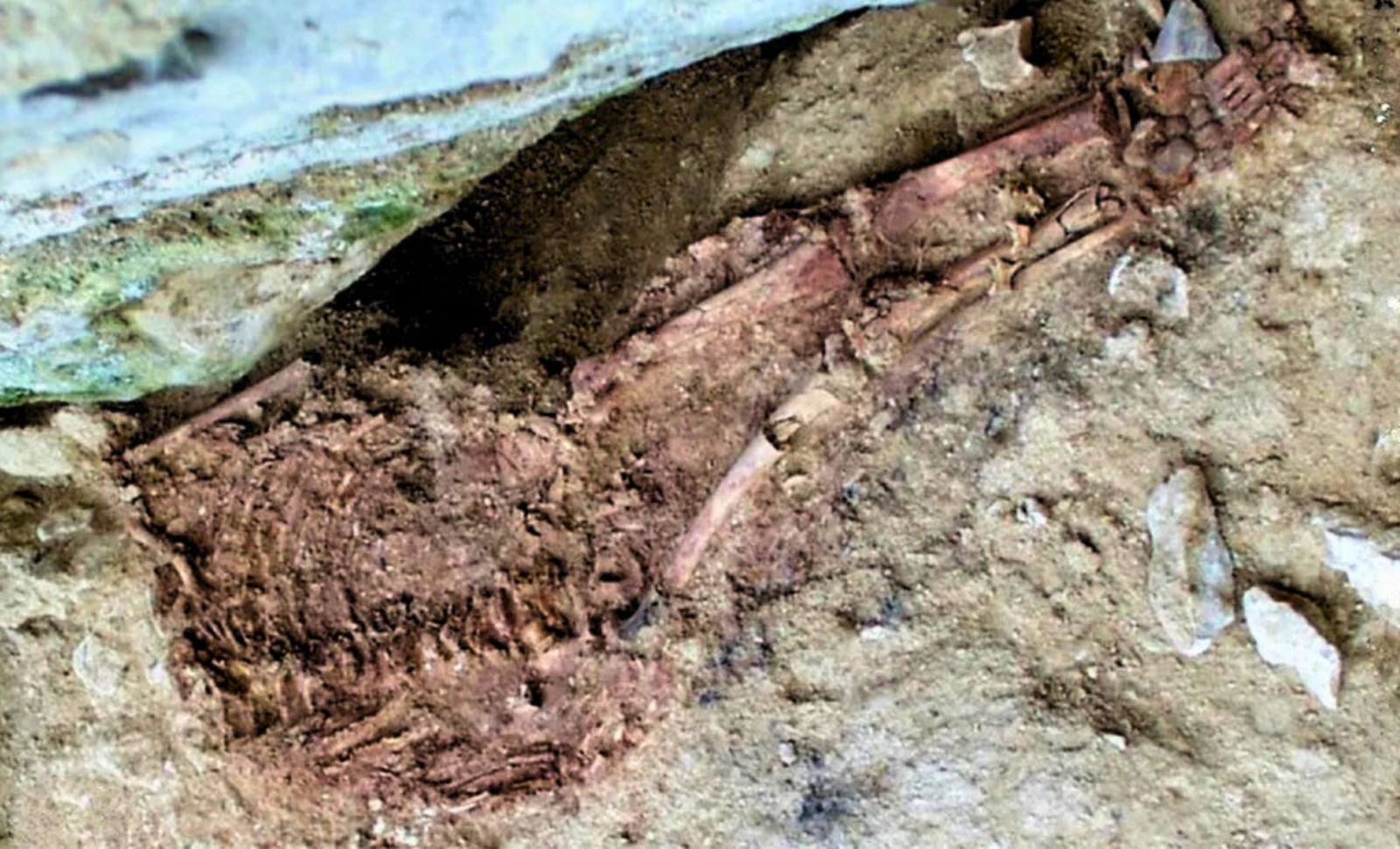
Recent radiocarbon analysis has pinpointed the burial date of the Lapedo child from central Portugal to around 28,000 years ago, significantly postdating the general timeline associated with Neanderthal disappearance. This discovery refines the understanding of when Neanderthals ceased to exist and how their traits persisted in early modern human groups.
Published in Science Advances, the revised dating settles a long-running debate about whether the child's remains represent a Neanderthal-modern human hybrid or a later population reflecting inherited characteristics.
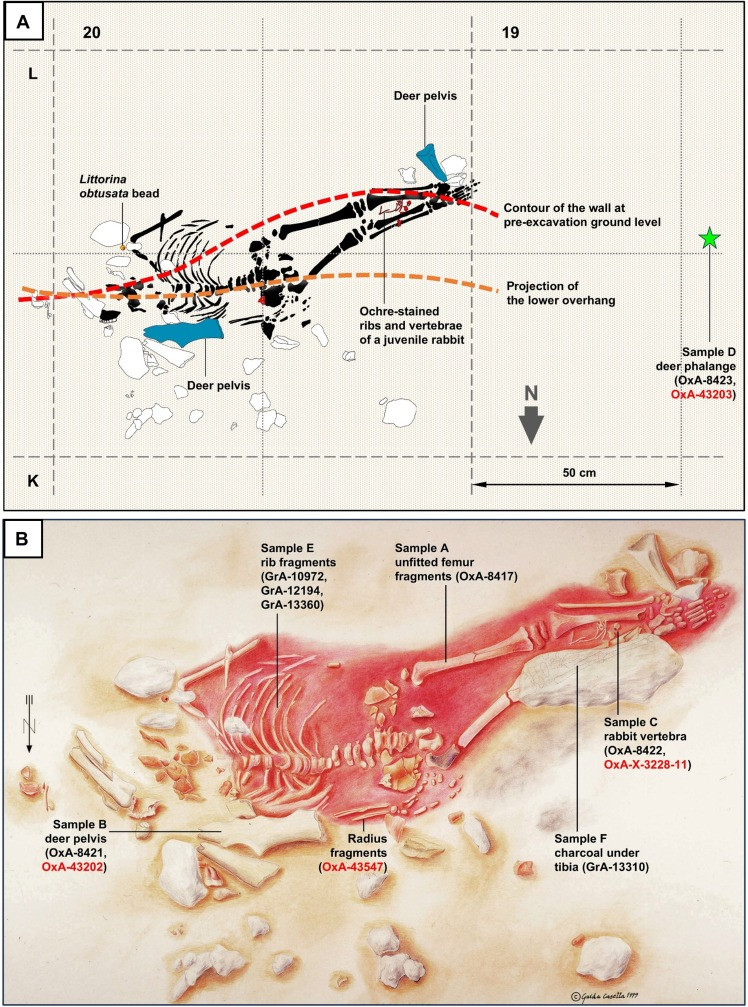
Under the leadership of João Zilhão, researchers used advanced radiocarbon techniques targeting hydroxyproline from bone collagen to improve dating accuracy. This approach minimizes contamination that skewed previous results, dating the remains to between 27,800 and 28,600 calibrated years before present.

This timing is critical as most Neanderthal fossils in Europe are dated considerably earlier. The youngest confirmed Neanderthals, like those found in Gibraltar's Gorham's Cave, are estimated between 32,000 to 40,000 years old, though these are debated. If the Lapedo burial is truly this recent, it suggests a notable gap beyond Neanderthal extinction.
Direct Bone Dating Provides Precise Timeline
Previous chronological estimates for the Lapedo child were indirect or flawed by contamination. The current study utilized accelerator mass spectrometry on purified hydroxyproline, isolating amino acids to ensure more reliable results.
The research highlights how earlier radiocarbon attempts were hindered by collagen deterioration and extraneous carbon from soil activity at the Lagar Velho shelter. The new purification methods are tailored for dating fragile Pleistocene specimens.
Multiple independent samples all converged on the late Gravettian phase of the Upper Paleolithic, a period linked to early modern humans rather than Neanderthals.
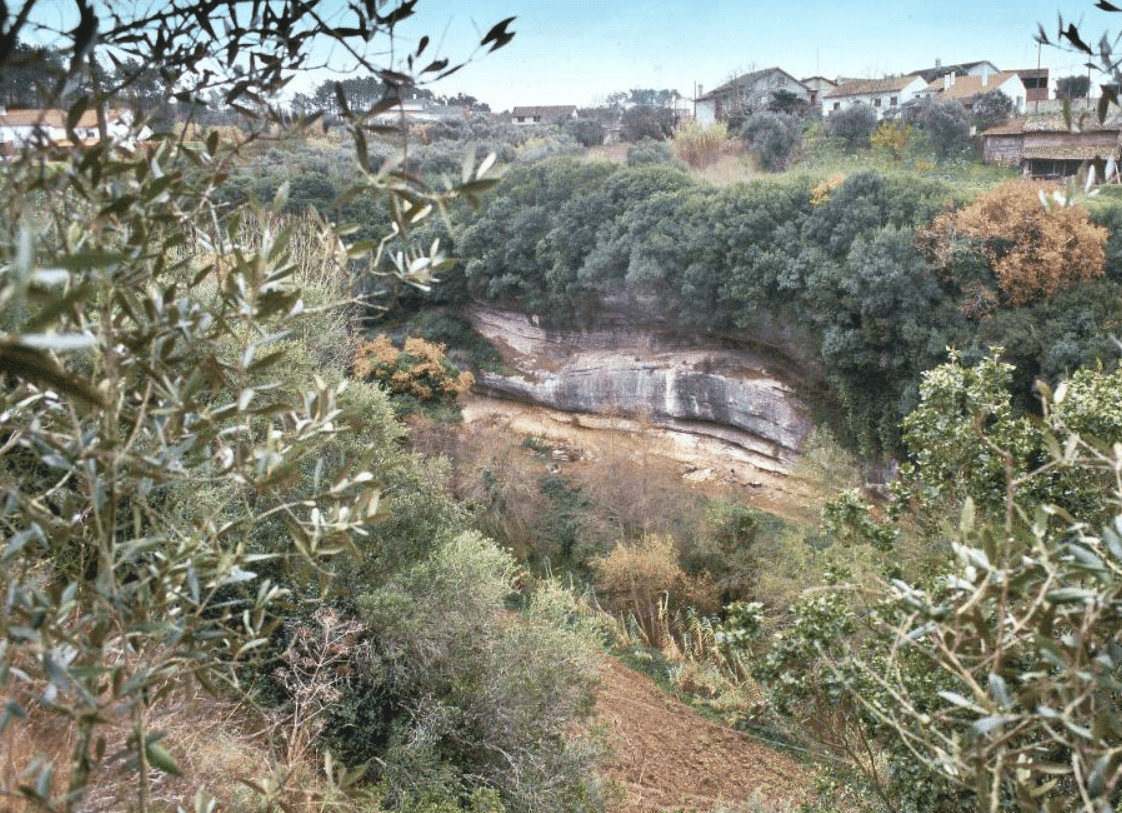
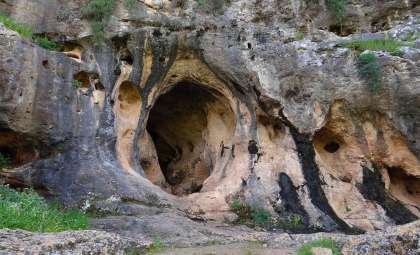
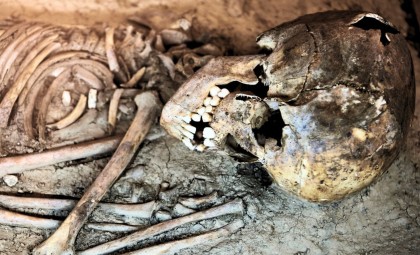
The Lagar Velho burial was uncovered in 1998 in Portugal’s Leiria area, revealing a child around four years old. The intentional burial included red ochre pigment, perforated shell decorations, and animal bones.
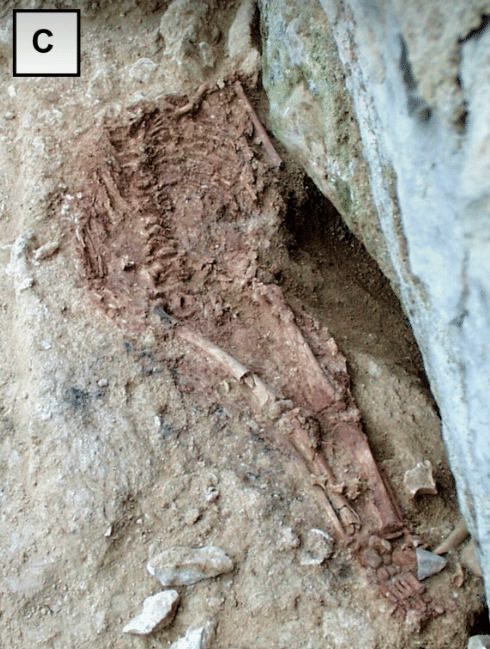
Bone structure initially attracted interest due to a mix of anatomical features: a human-like chin and skull combined with extremity proportions and dental traits reminiscent of Neanderthals. In 1999, a team report in Proceedings of the National Academy of Sciences proposed the possibility of a first-generation hybrid.
Later studies disputed this interpretation, with some experts suggesting such traits fell within early modern human variability, while others maintained the combination hinted at admixture.
Anatomical Findings and Genetic Perspectives
Though the new dating clarifies when the burial occurred, it doesn't settle the debate regarding morphology versus genetics.
Genetic studies from the past decade confirm that 1 to 2 percent of DNA in non-African modern humans is of Neanderthal origin, likely integrated 50,000 to 60,000 years ago after humans migrated from Africa into Eurasia. By 28,000 years ago, any Neanderthal DNA would have been deeply diffused among humans rather than indicating recent interbreeding.
The authors of the Science Advances article state that their findings “rule out” the possibility of the child being a late-surviving Neanderthal in Iberia. If Neanderthal traits appear, they reflect ancestral genetics within early modern humans.
The study does not include ancient DNA results due to poor preservation, thus morphological assessments remain essential.
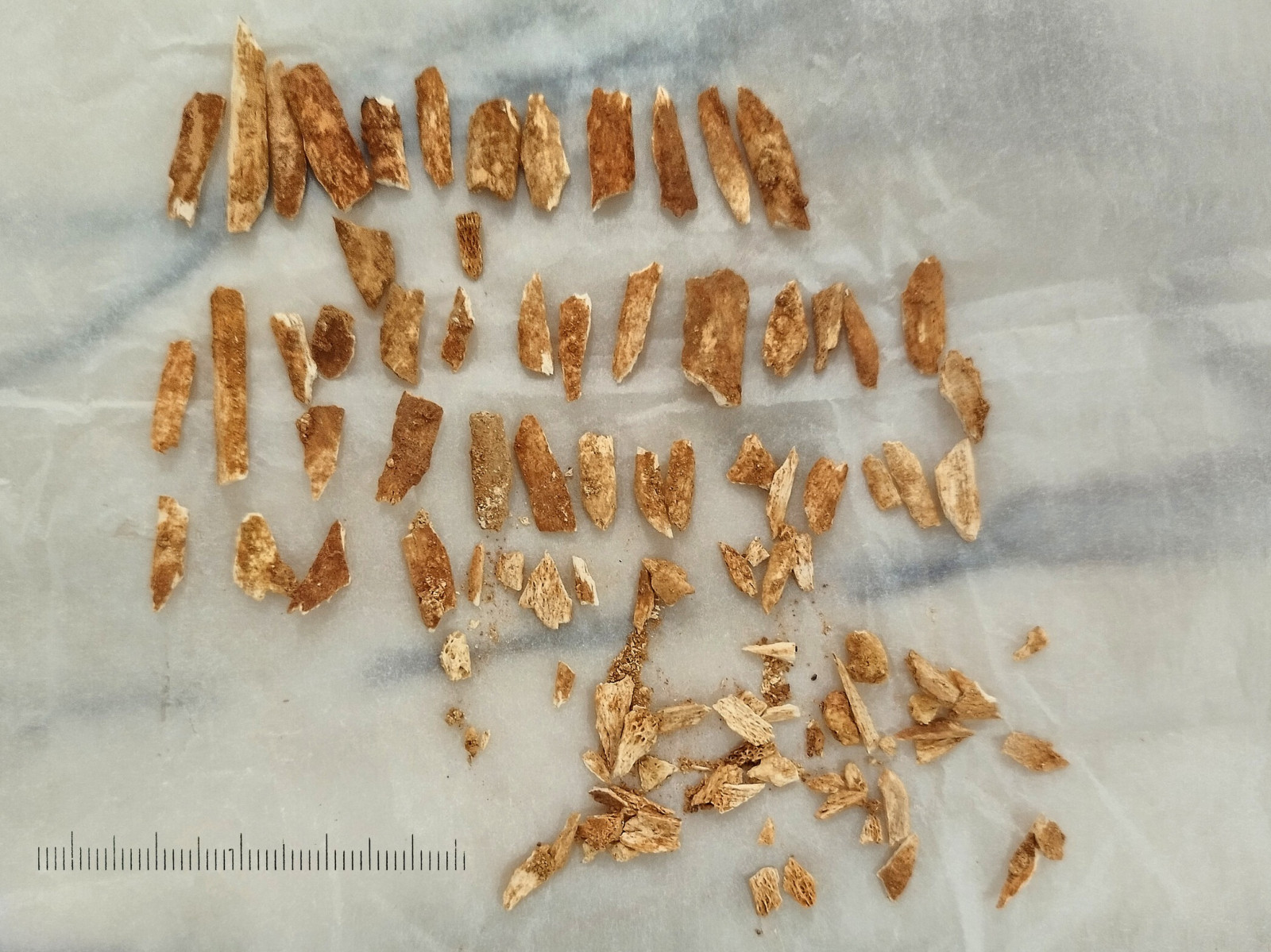
This limitation is discussed in an open-access companion paper hosted by the U.S. National Library of Medicine. It highlights dating and interpretive difficulties in analyzing fragmented Upper Paleolithic fossils and notes challenges in distinguishing traits in populations with ancient admixture.
Gravettian Cultural Context Contradicts Late Neanderthal Presence
The Lagar Velho burial lies within the Gravettian cultural framework, dated from about 33,000 to 22,000 years ago across Europe. Portuguese archaeological authorities note the site’s stone tools align with Gravettian technology, not the Neanderthal-associated Mousterian industry.
Elements such as red ochre and personal adornments reflect symbolic customs typical of Upper Paleolithic Homo sapiens groups. Though Neanderthals had some symbolic behavior, the artifact assemblage is consistent with contemporary modern human sites in Western Europe.
This refined date firmly places the burial well after Neanderthals had disappeared from the Iberian Peninsula. The once popular Iberian refugium hypothesis, which proposed extended Neanderthal survival in southern Iberia, has been challenged by improved dating at locations such as El Sidrón and Gorham’s Cave.
Experts not involved in the study emphasize that the Lapedo child remains an important example for exploring how Neanderthal traits appeared in early European modern humans. Without genetic data, the extent of admixture cannot be confirmed, but the skeletal features continue to shape scientific discussions.
The researchers suggest that future breakthroughs will rely on enhanced ancient protein and DNA extraction techniques from poorly preserved fossils. Various European labs are currently using proteomics to reevaluate Pleistocene specimens previously unsuitable for genomic study.
- Categories:
- Science









0 comments
Sign in to Comment