
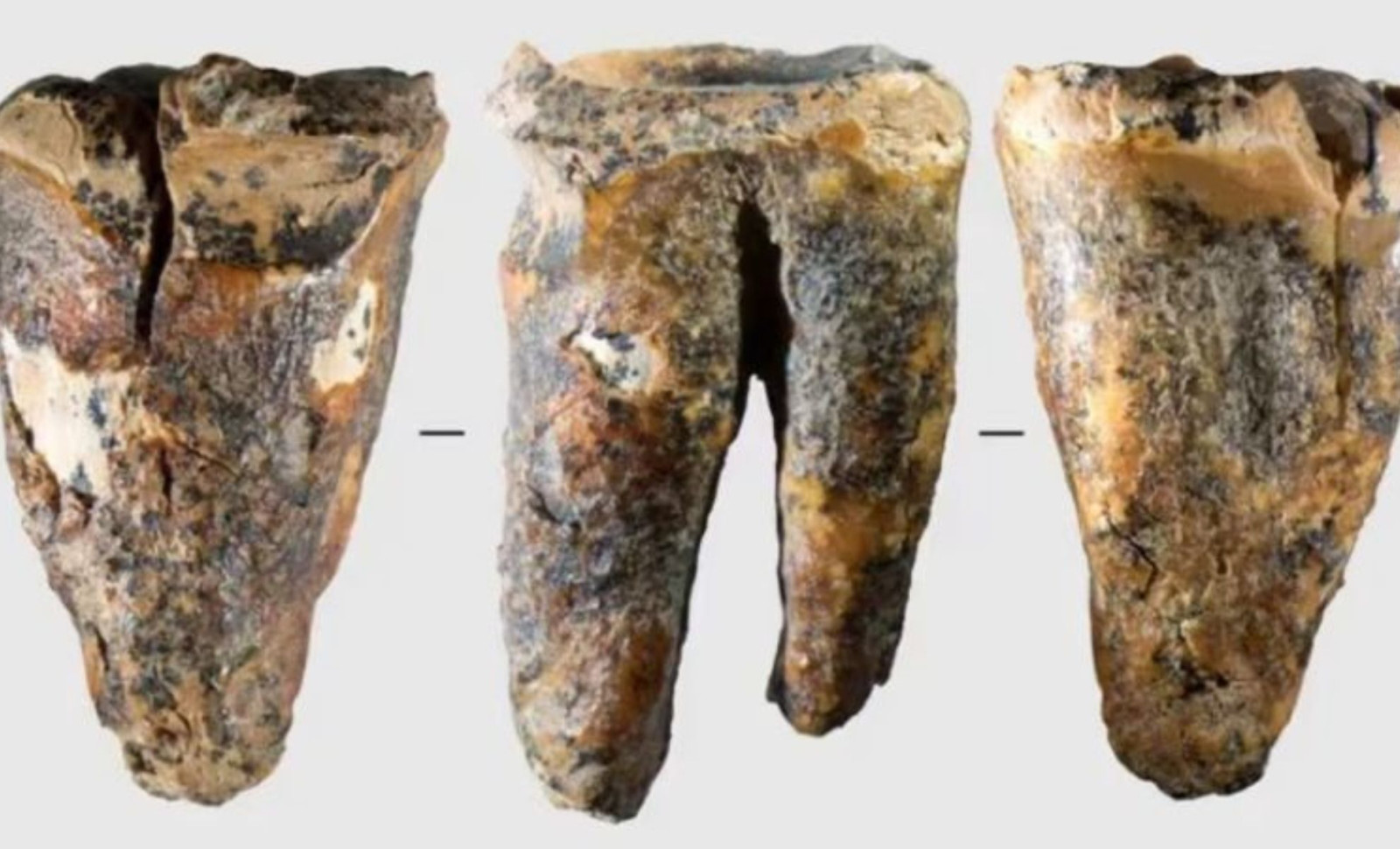
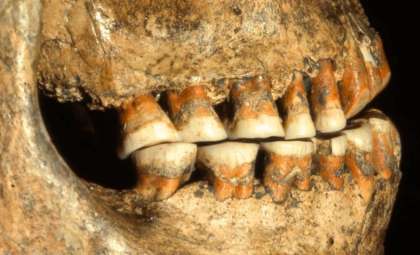
A molar belonging to a Neanderthal discovered in Siberia is shedding new light on prehistoric healthcare. This 59,000-year-old tooth exhibits evidence of intentional care aimed at treating a cavity, hinting that Neanderthals might have practiced early forms of dentistry well before modern techniques were developed.
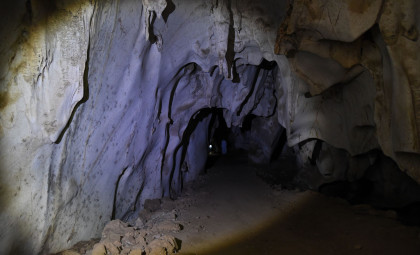
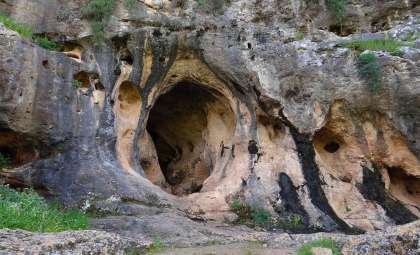
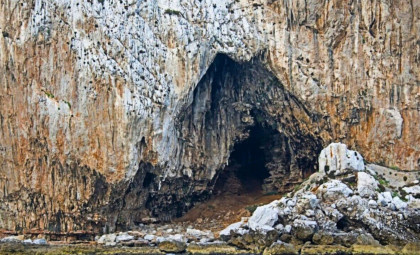
As reported by CNN, the specimen, named Chagyrskaya 64, was recovered from Chagyrskaya Cave located in the Altai Mountains in southwestern Siberia. Neanderthals inhabited this region approximately 49,000 to 70,000 years ago. The molar showed a substantial cavity reaching deeply into the pulp chamber, where nerve endings and blood vessels reside.
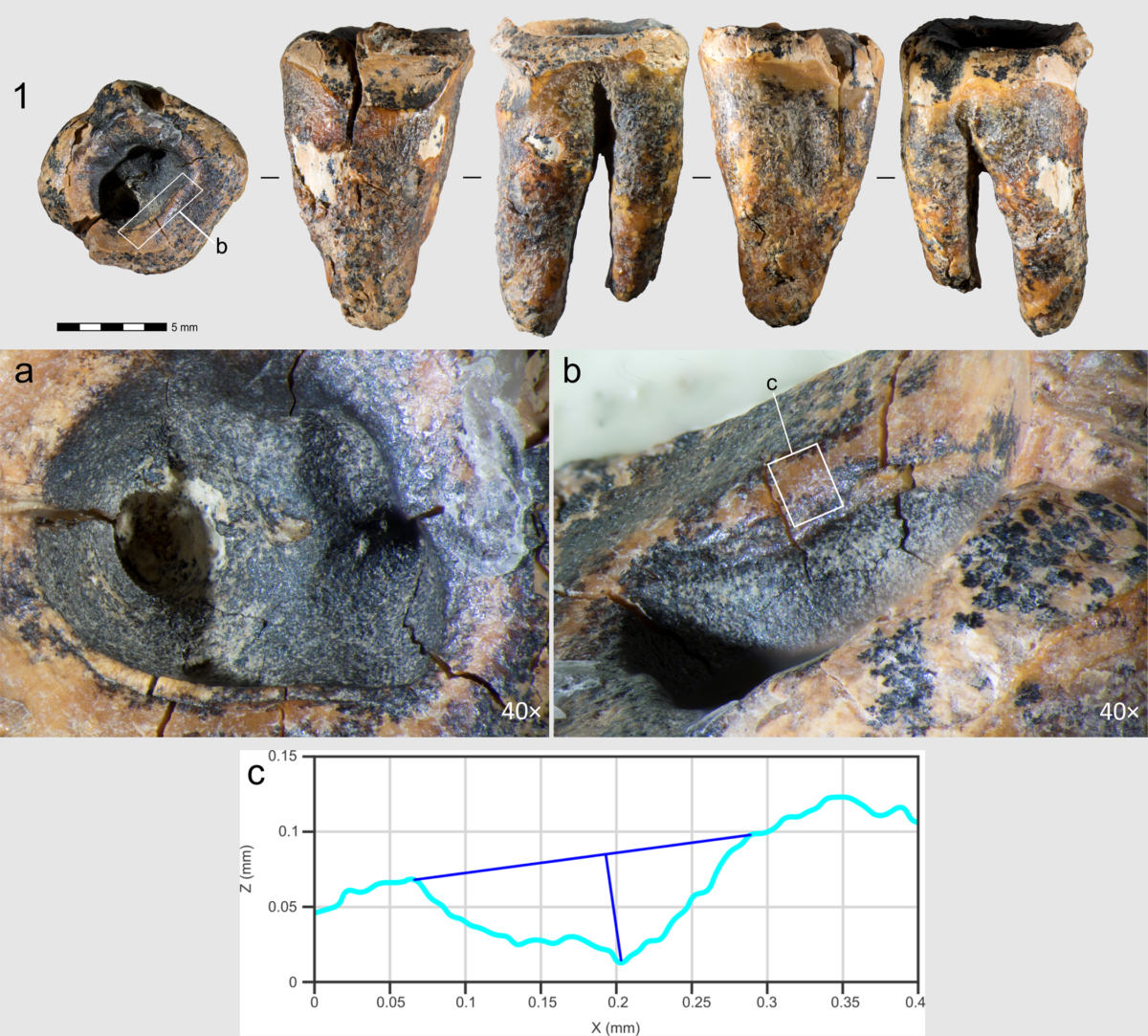
Surrounding the cavity, researchers identified distinct scratches and markings that differ from typical tooth wear due to chewing. These unusual features led scientists to consider the possibility that the tooth was purposefully treated to alleviate discomfort.

Stone Tools Provide Critical Evidence
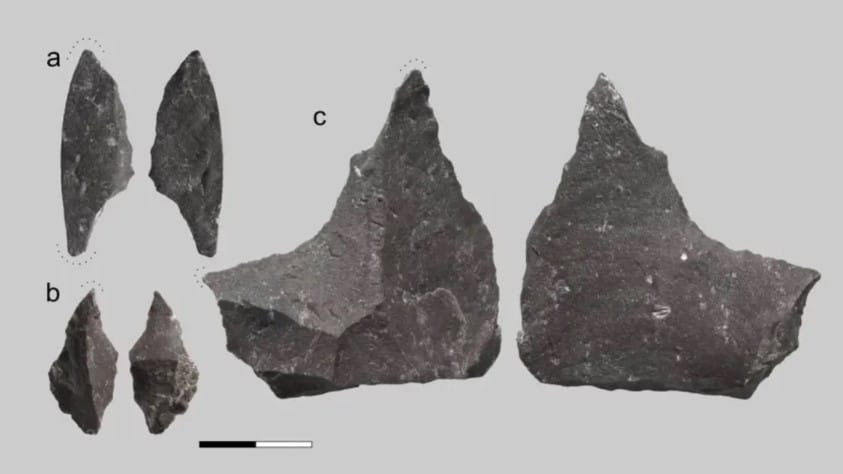
Sharp tools crafted from jasper discovered within the cave offered vital insights. Several finely pointed implements matched the pattern of the scratches on the tooth. In an experimental study featured in PLOS One, researchers replicated the dental procedure on modern human teeth, employing water to simulate a natural moist mouth environment.
Lead researcher Lydia Zotkina performed drilling to extract decayed material, successfully reproducing the tool marks observed on the Neanderthal molar. The drilling penetrated the pulp chamber, likely dulling pain by reaching nerve tissue.
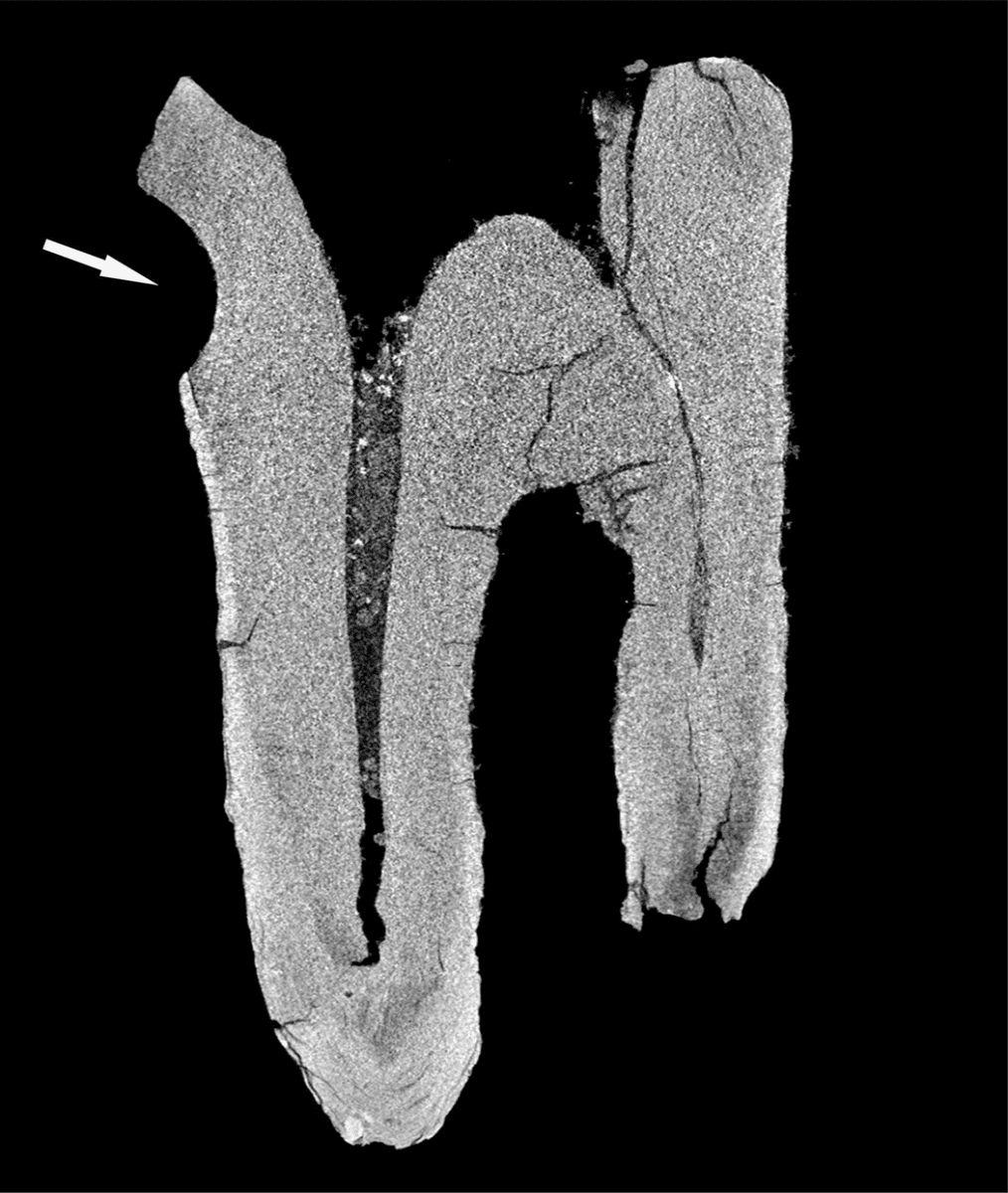
CNN highlights that while the experiment demonstrated mechanical feasibility, performing such a procedure in a living mouth would have involved significant skill and patience.
Evidence of Intent and Compassion
The findings indicate a deliberate effort by Neanderthals to treat dental pain. The lead author Alisa Zubova from the Peter the Great Museum of Anthropology and Ethnography commented:
“What amazed me was how intuitively the person who owned this tooth understood exactly where the pain was coming from and realized that its source could be removed,” she said.
Wear on the tooth after the intervention suggests it continued to be functional, implying the individual survived and maintained chewing capability.
Co-author Ksenia Kolobova from the Institute of Archaeology and Ethnography suggests that the treatment might have involved assistance from another individual, indicating close social cooperation, possibly among family members.
Reevaluating Neanderthal Capabilities
Dental cavities were relatively uncommon in Neanderthals due to a low-sugar diet and a diverse oral microbiome. While it was already known that Neanderthals exhibited care for wounded members and utilized medicinal plants, definitive proof of intentional cavity treatment had never been documented before.
“We have never encountered anything like this before — neither among Neanderthals nor among modern humans from much later periods,” noted Zubova.
The precision and complexity of this ancient procedure are striking. Anatomy professor Gregorio Oxilia of LUM Giuseppe Degennaro University emphasized that invasive medical care was shared between Neanderthals and modern humans.
“This discovery represents a genuine milestone for both anthropology and evolutionary dentistry, because it documents the crucial transition from instinctive self‑medication, which we also observe in non‑human primates, to a truly intentional and deliberate medical strategy,” he said.
This small tooth from Siberia offers a remarkable window into Neanderthal behavior, demonstrating their ability to recognize pain, act to relieve it, and survive the treatment process.
- Categories:
- Science





0 comments
Sign in to Comment