
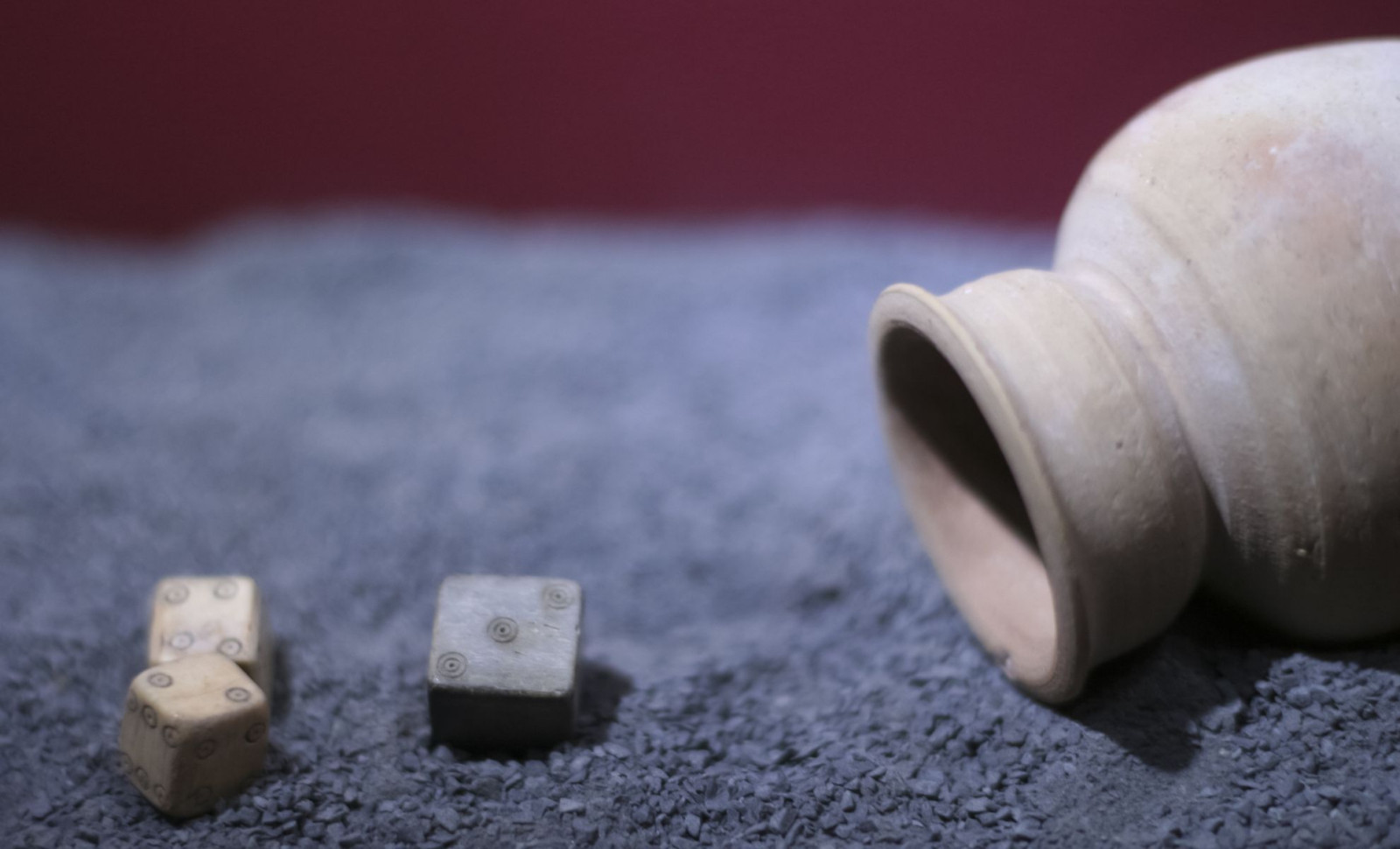
Well before the advent of modern casinos or even written numerals, indigenous peoples in North America were already engaging in games of chance. Recent findings published in American Antiquity demonstrate that Native American hunter-gatherers crafted and used bone dice more than 12,000 years ago.
Initially perceived as merely pushing the timeline of gambling origins further back, these artifacts also challenge long-held beliefs about where and when humans first embraced the concept of chance.
The investigation, led by Robert J. Madden from Colorado State University, focuses on relics dating back to the close of the last Ice Age. The study highlights that these objects predate similar comparable items found in Bronze Age Eurasia by several millennia.

Elementary Dice with Clear Purpose
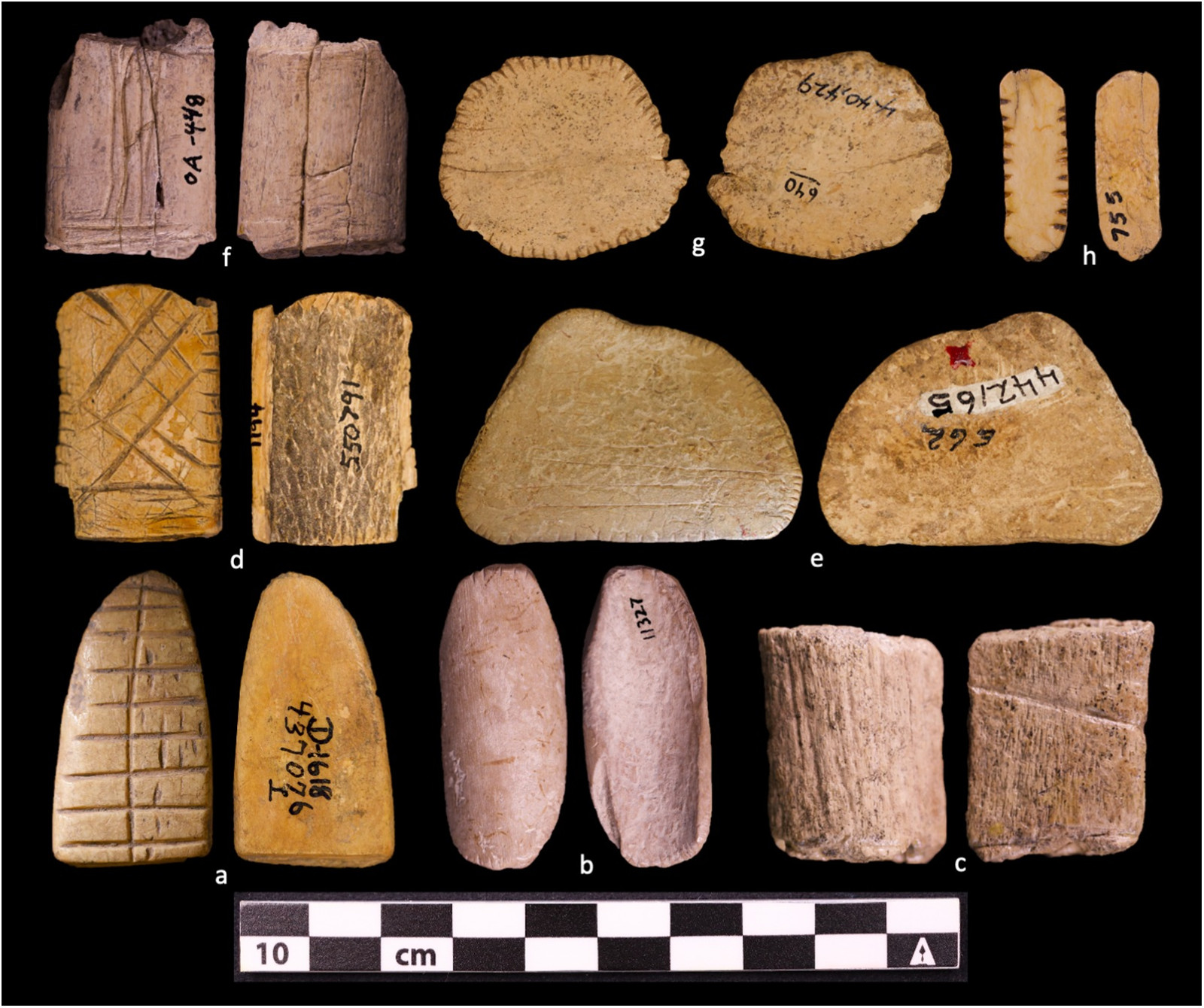
Dating between 12,800 and 12,200 years ago, these artifacts were uncovered across Wyoming, Colorado, and New Mexico. According to the article in American Antiquity, these objects were small, two-sided bone tools rather than traditional cube-shaped dice, commonly known as “binary lots.”
Each die presented two distinct faces, differentiated by color or texture, enabling binary outcomes similar to coin flips. Multiple dice would be tossed simultaneously, tallying how many landed showing a particular side. Robert J. Madden emphasized that these items were deliberately made, rather than accidental scraps.
“They’re simple, elegant tools,” Madden explained. “But they’re also unmistakably purposeful. These are not casual byproducts of bone working. They were made to generate random outcomes.”
Innovative Technique Enhances Artifact Identification
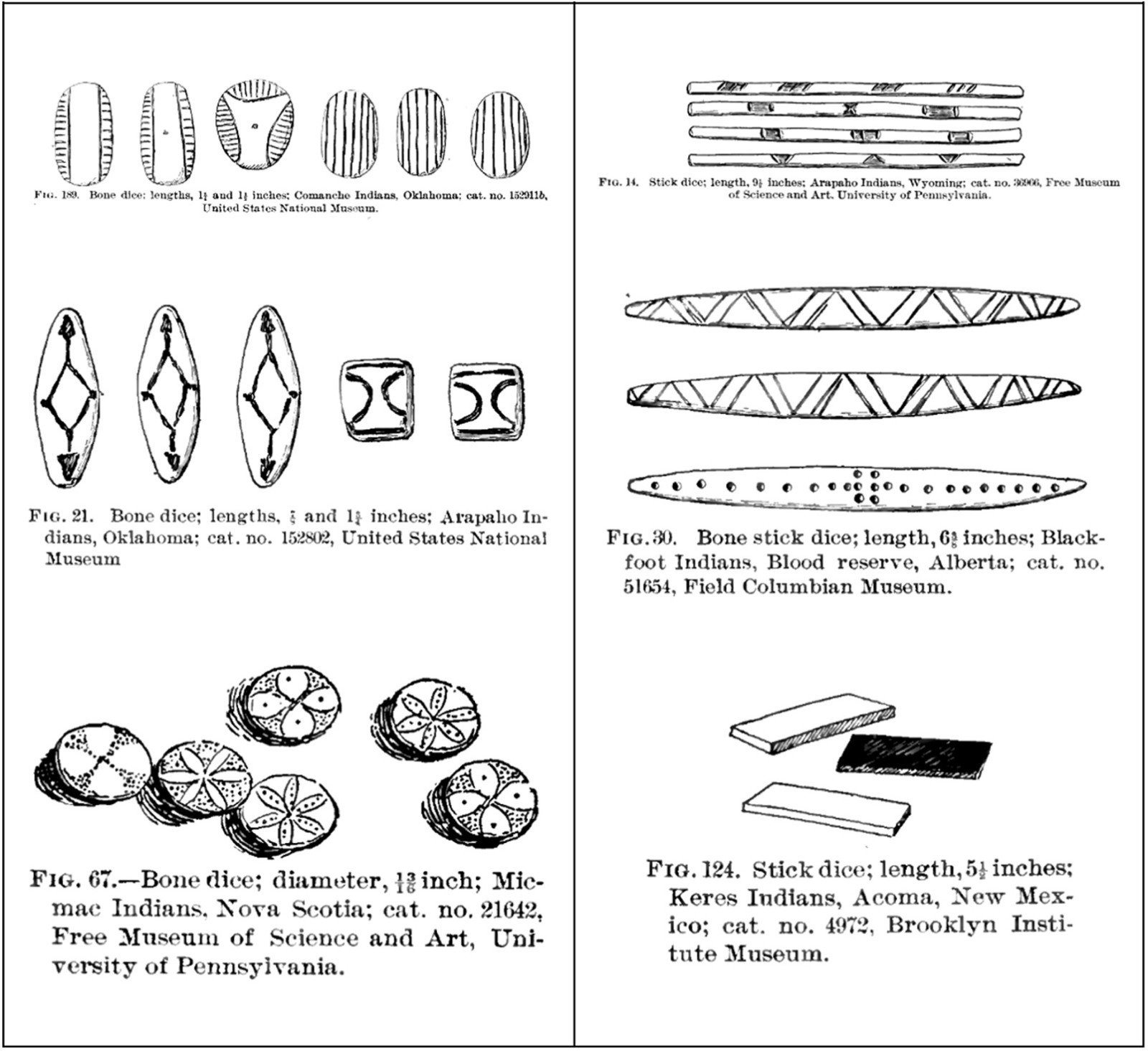
One reason these ancient dice remained unrecognized is that archaeologists had lacked a systematic approach to identify them. This study introduced an attribute-based morphological analysis, derived from a comprehensive dataset of 293 historic Native American dice collections documented by Stewart Culin in 1907.
Using this analytical method, Madden retraced and reclassified numerous artifacts previously misidentified for decades. Ultimately, over 600 likely or confirmed dice were uncovered.
Several artifacts originated from well-established repositories such as the Smithsonian Institution and the Denver Museum of Nature and Science. Though the evidence was always present, it had never been evaluated under a unified classification system.
A Tradition Spanning Generations
The findings further demonstrate the extensive reach of these gaming practices. Dice have been found at 57 archaeological locations spread over a 12-state area, representing numerous cultural epochs beginning with the Paleoindian period. From Madden’s perspective, these games served purposes beyond amusement. They acted as “neutral, rule-governed spaces.” He noted that activities involving dice:
” they allowed people from different groups to interact, exchange goods and information, form alliances, and manage uncertainty. In that sense, they functioned as powerful social technologies.”
This insight indicates that gambling played a vital role in early societies by structuring social interactions and managing unpredictability, predating any formal development of probability theory.
- Categories:
- Science









0 comments
Sign in to Comment