

The origins of the very first humans to settle the Americas have long intrigued archaeologists. Throughout much of the 20th century, the dominant explanation involved small groups of Ice Age hunters traversing a land bridge from Siberia, pursuing large game into previously uninhabited continents. This straightforward theory held firm for decades.
However, material evidence has often failed to completely support this narrative. Glacial corridors once thought accessible were often impassable, and the expected artefacts along the supposed migration paths remain scarce. Significant gaps in the Beringian migration hypothesis persist.
In contrast, growing evidence points to an alternative route spanning the North Pacific. This path is traced not by footprints but by distinctive stone tools, craftsmanship styles, and differing ancestral markers. It is older, requires coastal navigation, and could provide fresh insights into early human movement.

A recently published study in Science Advances challenges the traditional land bridge model by focusing on lithic technology and coastal archaeology. The research proposes a migration route beginning in present-day northern Japan.
Insights from Stone Tool Analysis
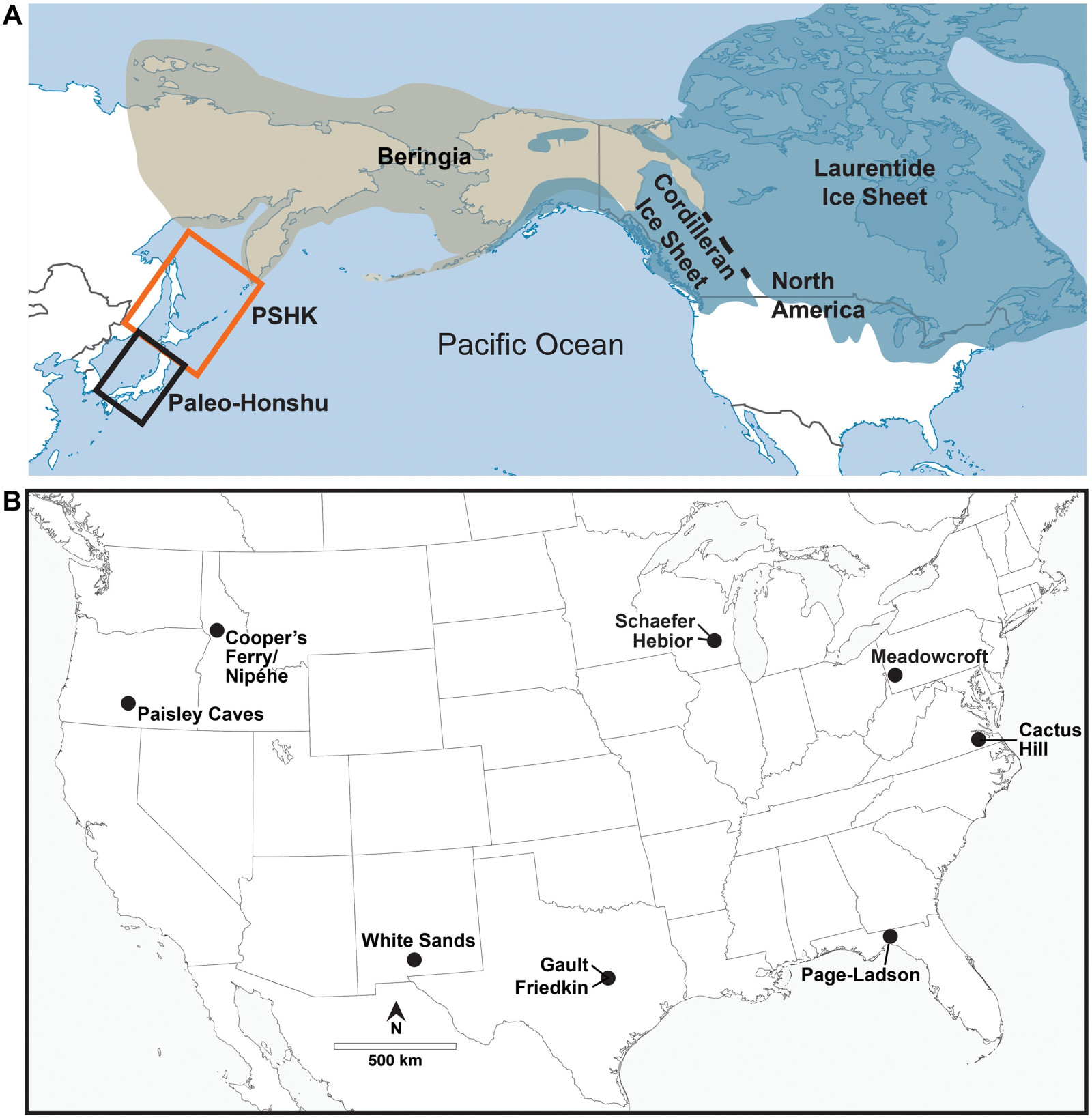
An international team of archaeologists from Oregon State University, Tokyo Metropolitan University, and other institutions examined stone tools from ten Upper Paleolithic sites across North America. These implements, dating between 20,000 and 13,500 years ago, were found in places such as Cooper’s Ferry in Idaho, Debra L. Friedkin in Texas, and Cactus Hill in Virginia.
The analysed tools share a distinctive technological combination: bifacial projectile points alongside a core-and-blade technology, crafted via sophisticated flaking methods. This dual approach is uncommon in early American artefacts but is well documented in Hokkaido, the northernmost main island of Japan.
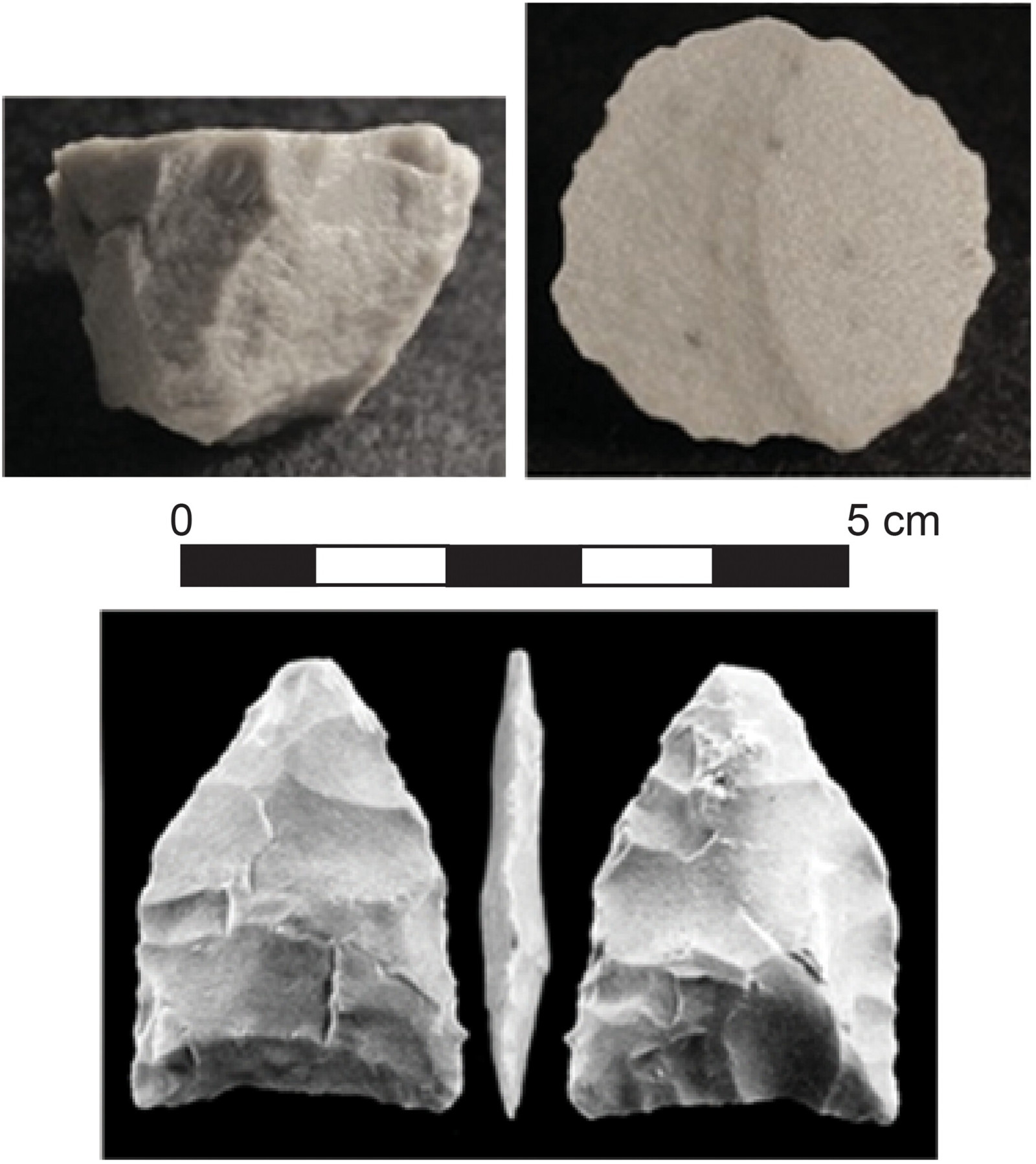
Significantly, the Japanese stone tools predate those found in North America. A distinct projectile point with an elliptical base, termed ECOP (Elliptical Cross-sectional Ogive Projectile), is dated to around 20,000 years ago in Japan. Nearly identical points emerge later in North American findings, indicating a west-to-east diffusion of tool-making techniques.
These conclusions are elaborated in the peer-reviewed article Characterizing the American Upper Palaeolithic, which compares stone tool collections across continents. The study found no similar artefacts in Beringia before 14,000 years ago, weakening the Siberian-to-Alaska migration claim and supporting a coastal migration route from Northeast Asia.
“This research integrates First Americans into the broader Paleolithic global narrative, showing them as part of a shared heritage rather than isolated groups,” Loren Davis, a co-author and anthropology professor at Oregon State University, stated in an OSU press release.
Tracing Seafaring Cultures and Coastal Movement
The study’s implications go beyond tool similarities, considering ecological feasibility. During the Last Glacial Maximum, Beringia’s interior was a polar desert with sparse vegetation and minimal animal resources, making prolonged human travel across it highly unlikely.
Conversely, the coastal region comprising the Hokkaido–Sakhalin–Kuril (HSK) islands formed a continuous landmass that connected to the Asian mainland. Archaeological sites in Okinawa and Kyushu reveal evidence of maritime skills dating back 35,000 years, including open-ocean navigation capabilities.
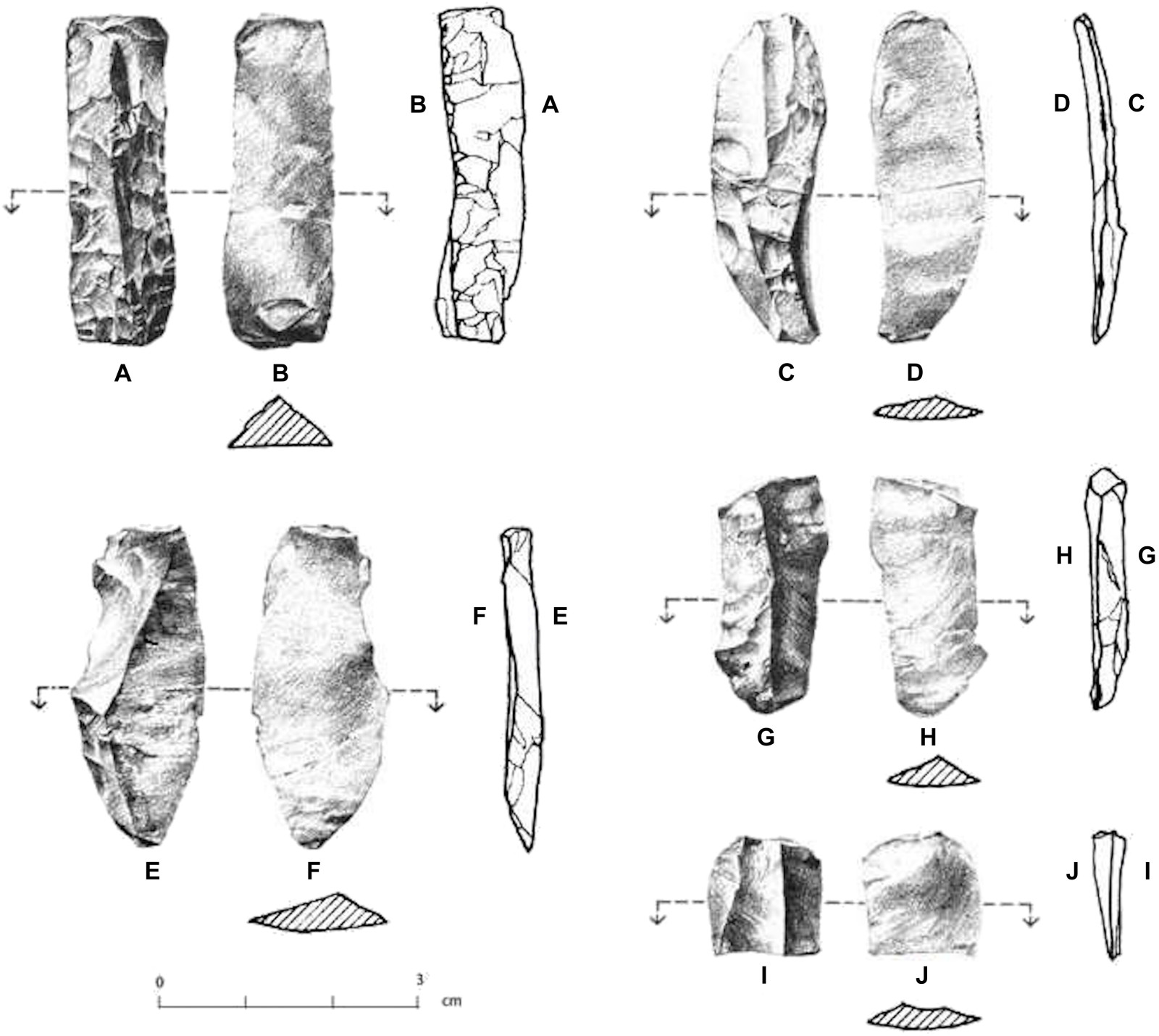
As reported by ArkeoNews, similar bifacial points have been identified in both Hokkaido and North America, sharing manufacturing methods, sizes, and functions. This points to cultural transmission along coastal populations migrating eastward.
These maritime groups likely utilized a chain of highly productive coastal ecosystems, known as the “kelp highway,” rich in marine food resources such as algae, fish, and mammals. This corridor would have supported long-distance movement along the Pacific Rim. Early American archaeological sites, often further south and inland rather than near the land bridge itself, align better with this coastal migration model.
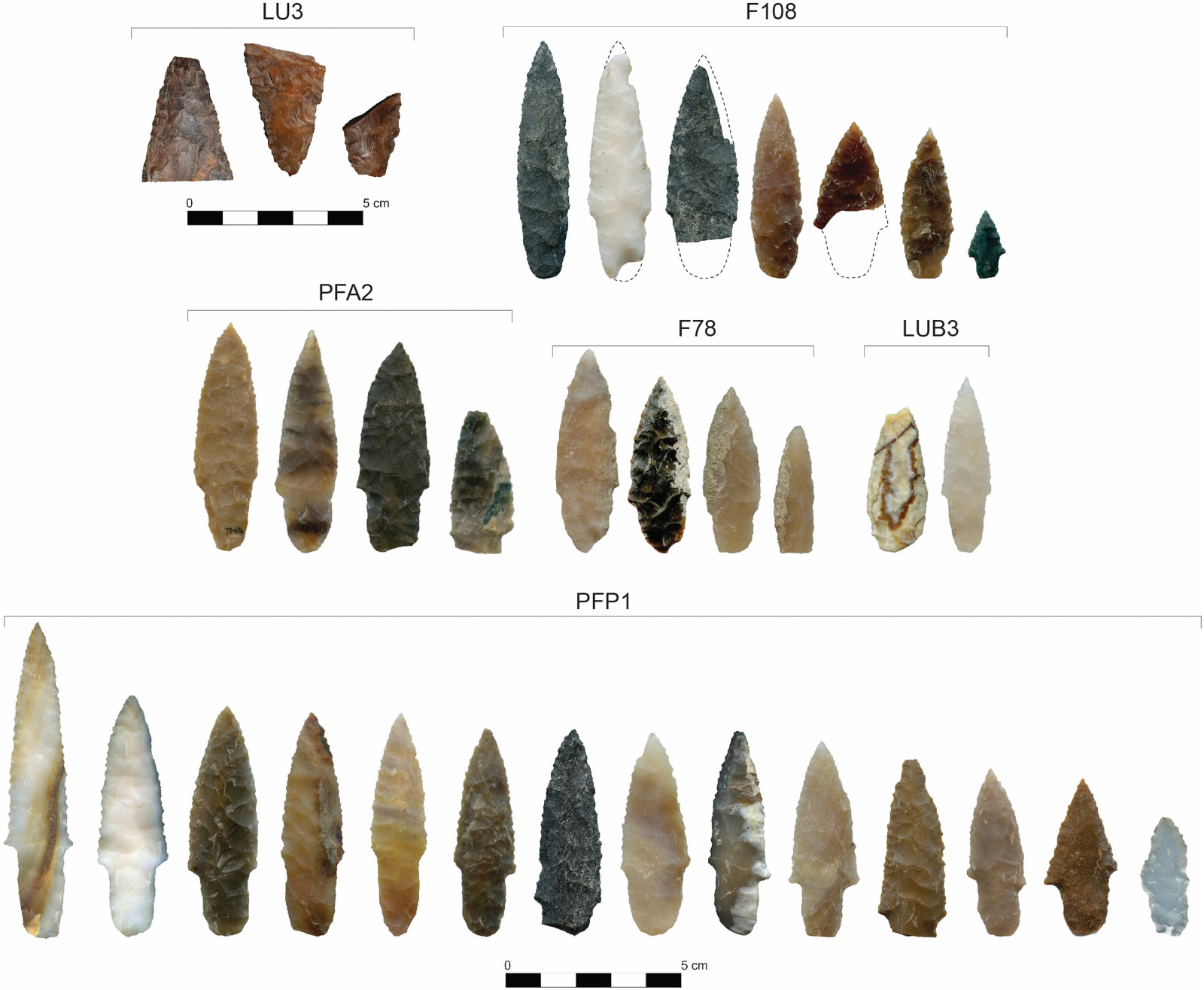
The studied stone tools are small and light, optimized for mobility and hunting in diverse environments including forests and coastlines. The repeated presence of identical tool characteristics across continents underlines technological continuity and shared origins.
Tracing a Lost Population Lineage
The research also provokes new questions regarding early population identities. The migrants linked to these tools appear genetically distinct from today’s modern Japanese people. The Jōmon culture, often considered Japan’s earliest, arrived in Hokkaido roughly 10,000 years ago, well after the proposed migration into the Americas.
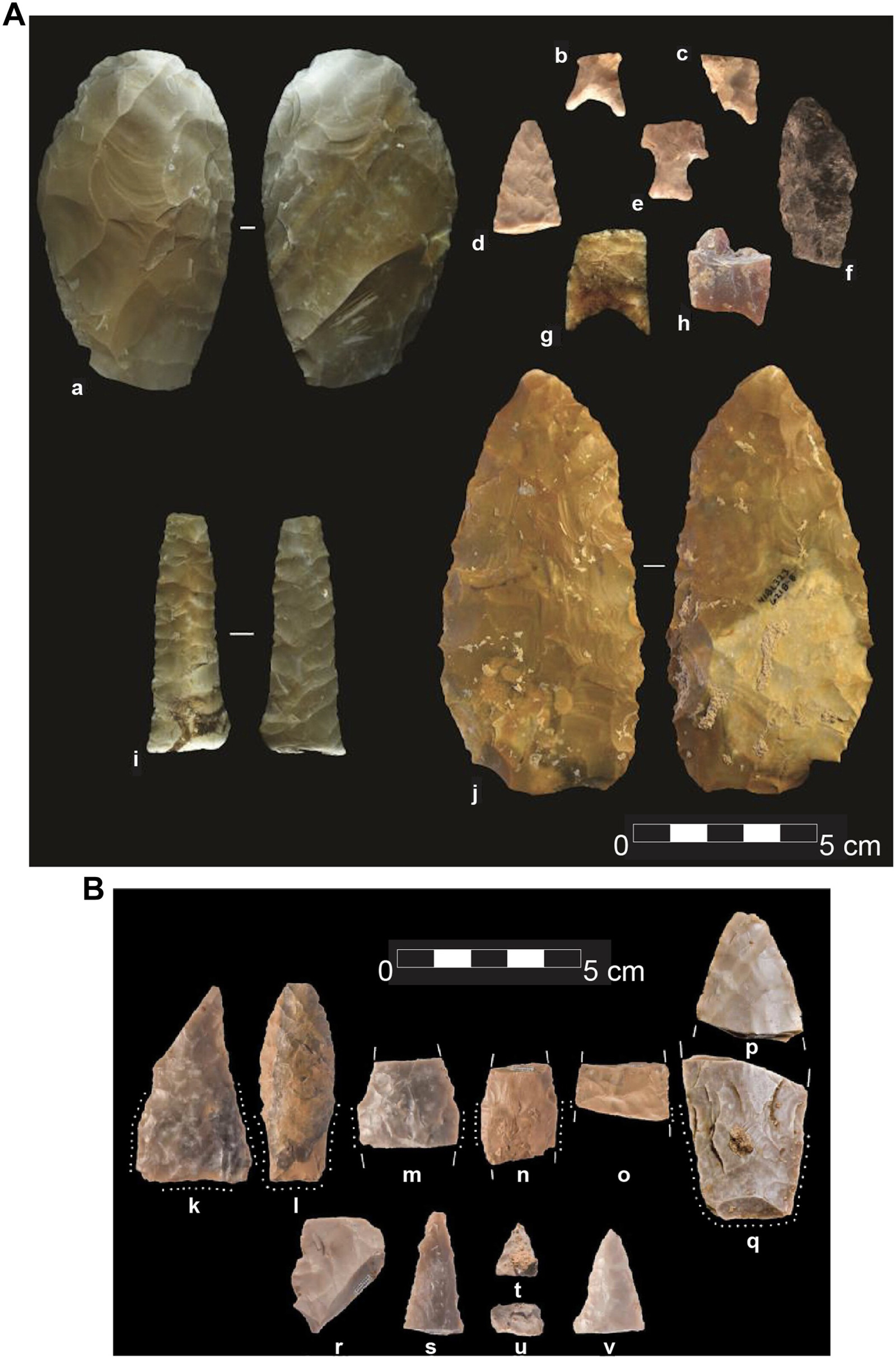
The study refers to a “ghost population”: an ancestral group that left no direct genetic descendants in modern Asia but likely contributed to the initial human settlement of the Americas. While genetic data have long indicated Native American ancestors hail from East Asia, the precise origins and migration routes remain uncertain. This lithic evidence provides cultural context to clarify these questions.
Oregon State University researchers highlight that the technological traits of the American Upper Paleolithic stone tools align closely with Late Upper Paleolithic traditions across East Asia. This connection suggests early American settlers were not isolated but part of a widespread network of human innovation and migration during the Ice Age.
- Categories:
- Science






0 comments
Sign in to Comment