
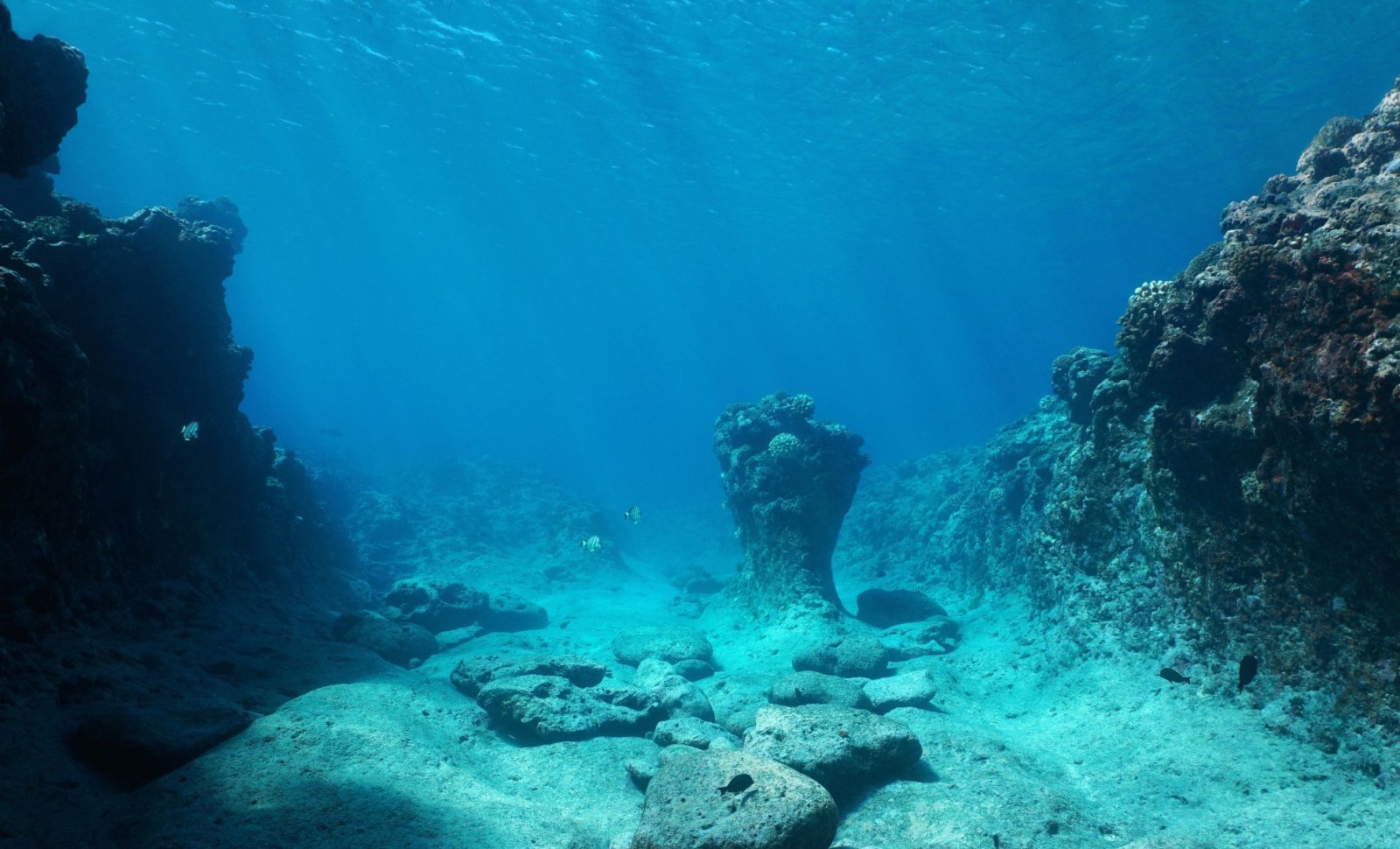
Archaeologists have uncovered a prehistoric stone wall nearly 30 feet underwater off France's coast, offering insights that might transform our understanding of early human settlements. This 7,000-year-old structure could represent some of the first physical remains of a submerged ancient community. Located close to the Ile de Sein in Brittany, the site lies amidst local legends of the legendary City of Ys, said to have been engulfed by the sea long ago.
Exploring an Ancient Ocean Floor Monument
Using sonar imaging, marine researchers identified an underwater wall formed of massive monolithic stones near Ile de Sein. The geologist Yves Fouquet first detected the formation while analyzing marine depth data. Employing cutting-edge LIDAR scanning, the team uncovered eleven human-made features, indicative of sophisticated prehistoric construction. These structures hail from the Mesolithic era and might have served as fish traps or protective dykes against rising seas.
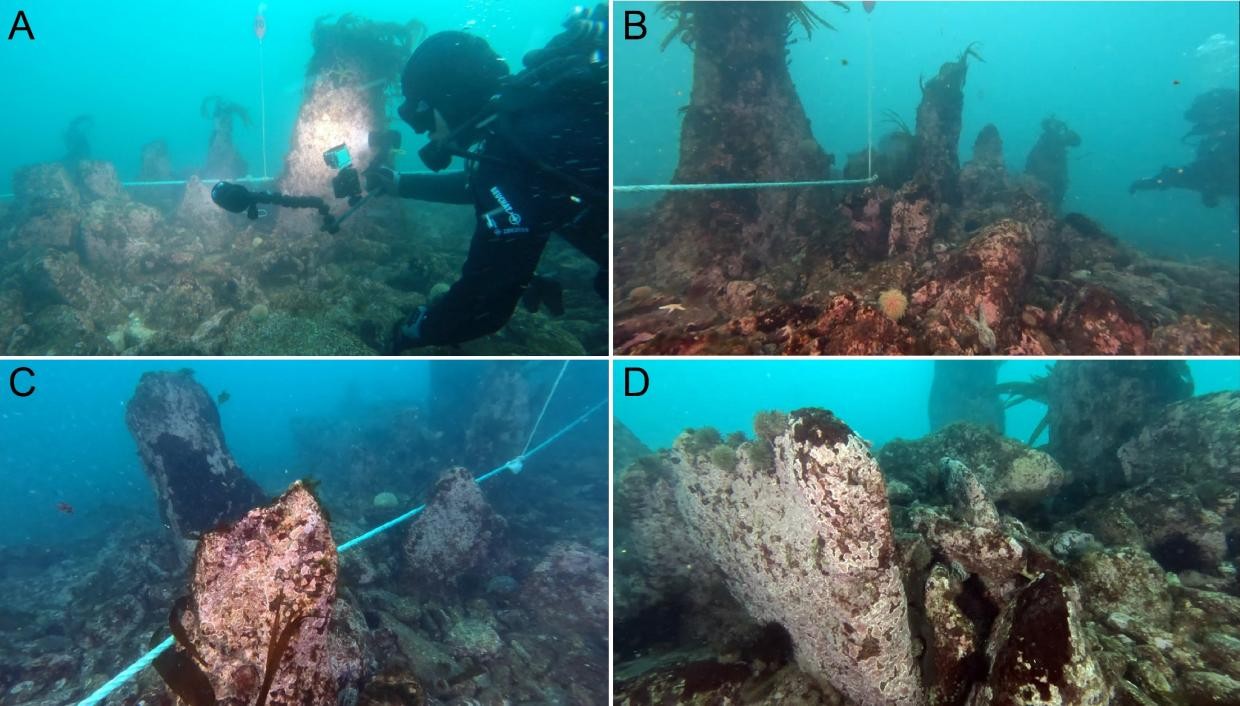
A recent article in the International Journal of Nautical Archaeology details that the scale and craftsmanship of these constructions, including 10-foot-tall monoliths, highlight the capabilities of an advanced early society. These walls were built to endure powerful tidal forces, suggesting expertise in moving large stones and managing marine conditions.

The Ancient Coastal Environment
The terrain where these structures were erected looks drastically different today. Between 5,800 and 5,300 BCE, when the wall was likely constructed, sea levels were significantly lower, placing human settlements distant from today's shoreline.
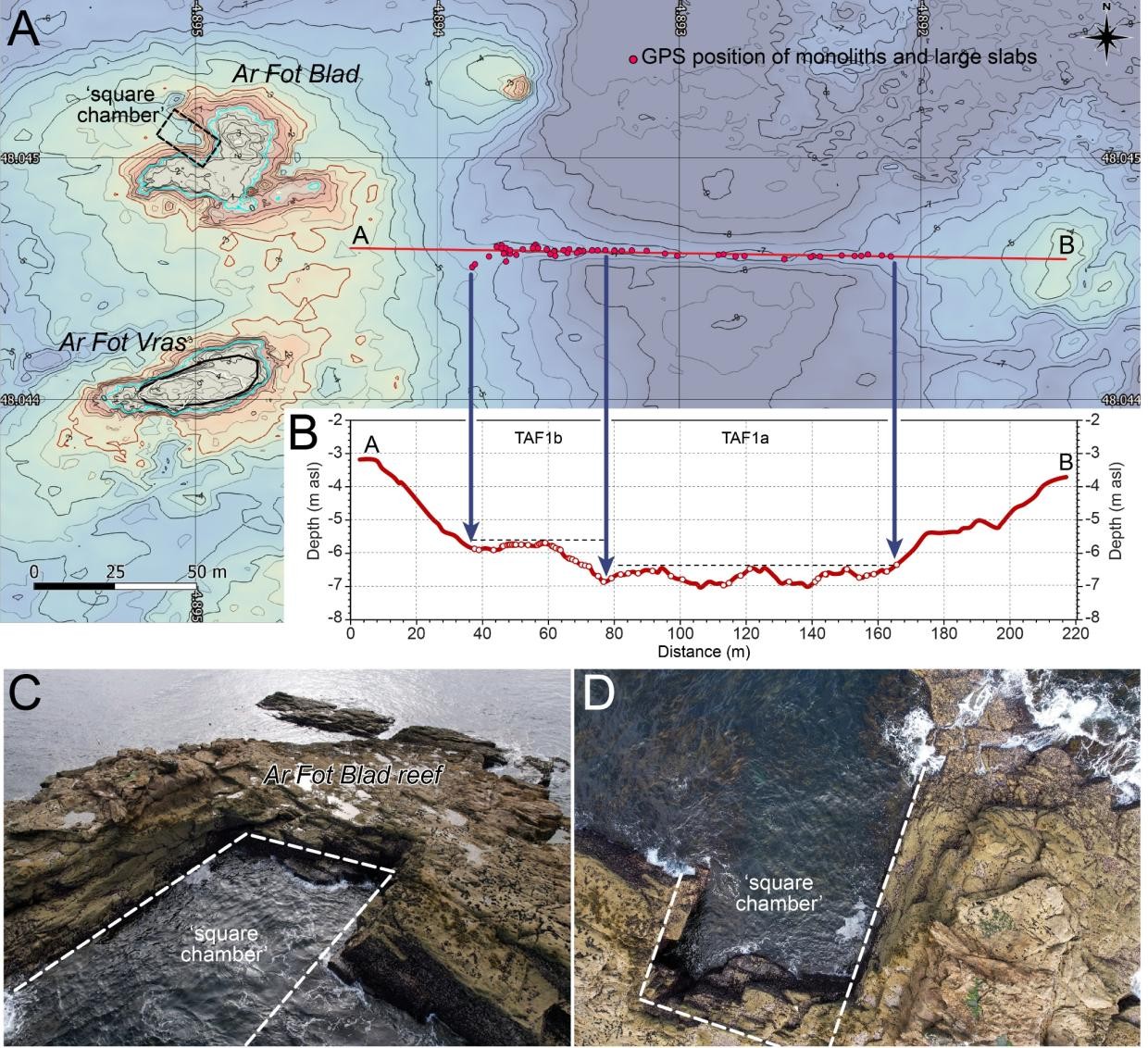
As sea levels rose gradually over millennia, dry land was submerged, leaving only these stone remains behind. Fouquet remarks that such sites have largely remained unexplored due to their inaccessibility.
“Due to the difficulties in accessing these sites (strong tidal currents, high hydrodynamic conditions, seaweed cover), little archaeological work has been carried out in the deep areas of the Brittany coast,” he explained.
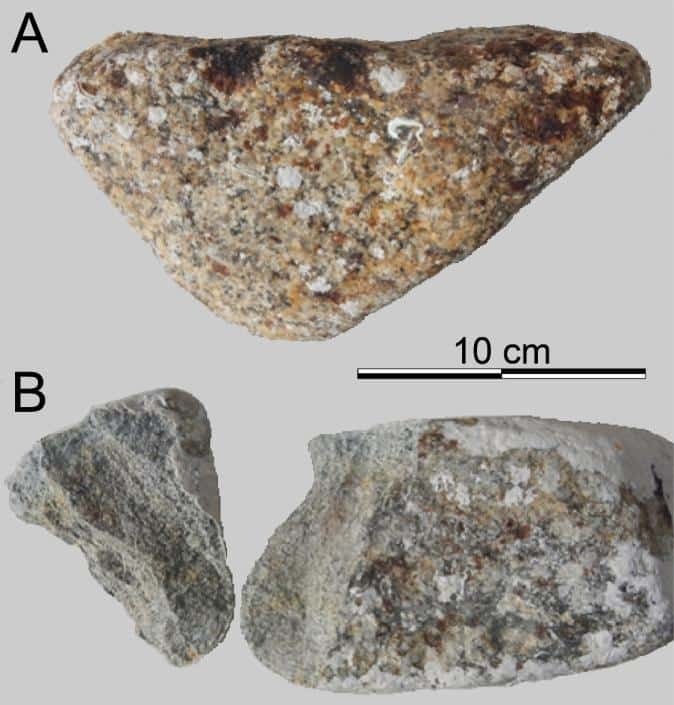
The limited investigation has kept much of the region’s early past concealed, with scarce Mesolithic artifacts recovered from the seafloor.
The Legend of Ys: Fact or Fiction?
Brittany’s folklore includes tales of the City of Ys, a mythical metropolis allegedly swallowed by the waters of the Bay of Douarnenez. The legend describes a once-prosperous city lost to the sea due to its rulers’ pride and corruption.
The recent underwater find has sparked speculation that the myth of Ys might be rooted in real events long submerged beneath the ocean. Fouquet and his colleagues propose the discovery could bridge folklore with archaeological evidence.
“The discoveries […] allow us to question the origin of the history of the city of Ys,” he stated, “not from the historical legends and their numerous additions, but from scientific findings that may be at the origin of this legend.”
Although the precise purpose of these structures remains unclear, their association with local myths adds an intriguing dimension to Brittany’s coastal heritage.
- Categories:
- News











0 comments
Sign in to Comment