
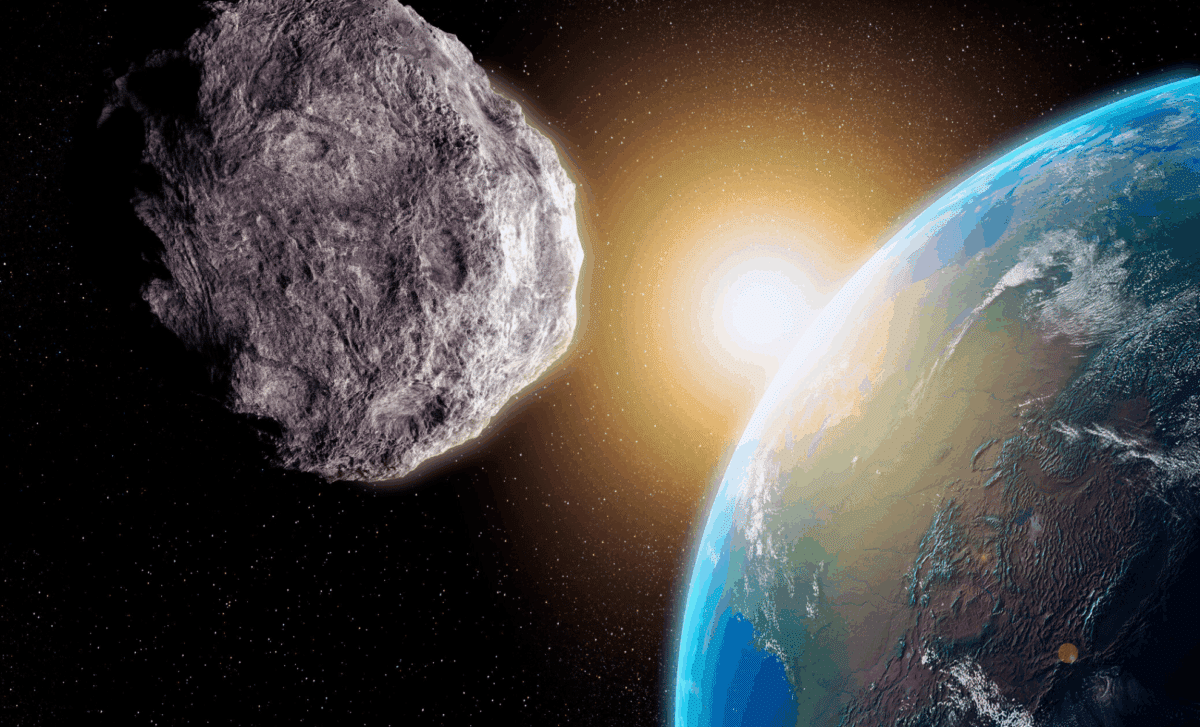
Deep within Australia's vast arid expanse, researchers have stumbled upon minute glassy fragments that signal a colossal asteroid collision dating back over ten million years. These peculiar glass beads, termed ananguites, have perplexed scientists by unveiling a hidden cosmic event that profoundly influenced Earth's geological past. Newly published research in Earth & Planetary Science Letters provides fresh insights into this captivating finding, challenging prior perceptions of ancient meteor impacts.
Unearthing Glass Beads that Tell an Ancient Cosmic Tale
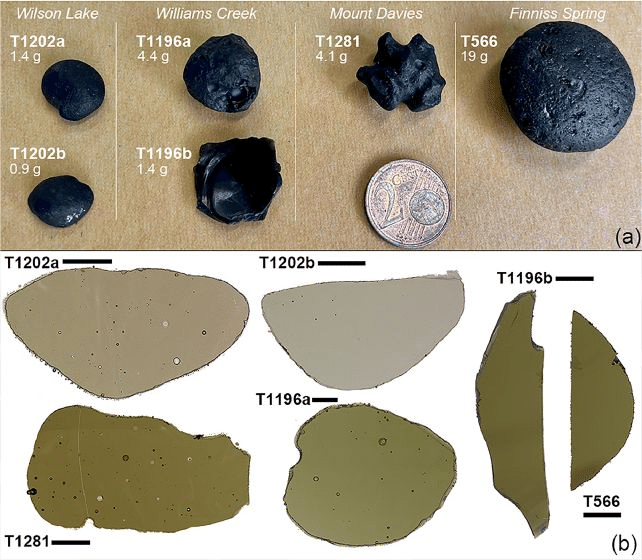
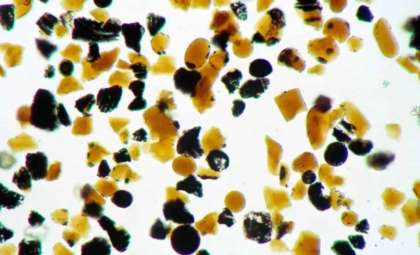
Across the barren terrains of South Australia, small glassy beads might appear as mere natural curiosities initially. However, detailed examinations reveal that these fragments are remnants of an asteroid collision that struck the planet approximately 11 million years ago. Known as ananguites, these glass spheres have a distinct chemical makeup unmatched anywhere else on Earth. The work led by Anna Musolino and her team at Aix-Marseille University in France highlights the significance of these shards as direct evidence for a major impact event.
Fred Jourdan, a geochronologist from Curtin University in Australia, emphasized,

“These glasses are unique to Australia and have recorded an ancient impact event we did not even know about.”
These microscopic relics serve as time capsules, revealing a previously unknown episode in Earth's story where an asteroid devastated the surface, scattering molten rock across vast distances. Intriguingly, despite the scale of the event, the originating crater remains undiscovered, deepening the mystery surrounding this discovery.
The Enigma of a Lost Crater and the Puzzle of Ananguites
A striking feature of this finding is the absence of an identifiable impact crater. Given the colossal nature of the strike, a crater would be expected, yet none have been pinpointed. Scientists propose that the energy released was so intense it vaporized and melted surface rocks, generating the dispersed ananguites found thousands of kilometers away. These glass beads act as tangible remnants from a profound geological event.
Jourdan elaborated,
“They formed when an asteroid slammed into Earth, melting surface rock and scattering debris for thousands of kilometres. These tiny pieces of glass are like little time capsules from deep in our planet’s history.”
Efforts to locate the crater remain challenging, likely because natural erosion and the harsh conditions of central Australia over millions of years have obscured or erased visible signs. This absence raises the prospect that the impact site lies buried beneath layers of sediment, complicating direct examination.
Published in Earth & Planetary Science Letters, the study suggests that further geochemical and microscopic analysis of ananguites might help reveal the impact's geographical origin. Musolino’s group noted compositional contrasts between eastern and western samples, which could provide key information for locating the source crater. They stated,
“Geochemical and petrographic systematic differences between western and eastern ananguites, which still need to be confirmed with additional samples, may help constrain the location of the impact.”
Significance of the Ananguite Find: Unlocking Earth’s Impact History
This revelation transcends merely characterizing a desert oddity; it opens up new avenues to comprehend the scale and frequency of extraterrestrial impacts on Earth over millions of years. The existence of ananguites suggests that sizable meteor collisions might have been more frequent than previously thought, leaving behind elusive glassy residues.
Moreover, these findings provoke fresh questions regarding how such asteroid events might have affected Earth's biosphere. An impact this size could have triggered global environmental changes, reshaping terrain and altering climate. Yet, the elusive crater challenges conventional methods of tracking meteor impacts in geological records. As noted by Musolino’s research team,
“It is also possible that the crater has been buried during the past 11 million years.”
This suggests many other ancient meteor strikes may have left similar signatures, now hidden or lost beneath Earth's surface due to the passage of time.
- Categories:
- News




0 comments
Sign in to Comment