
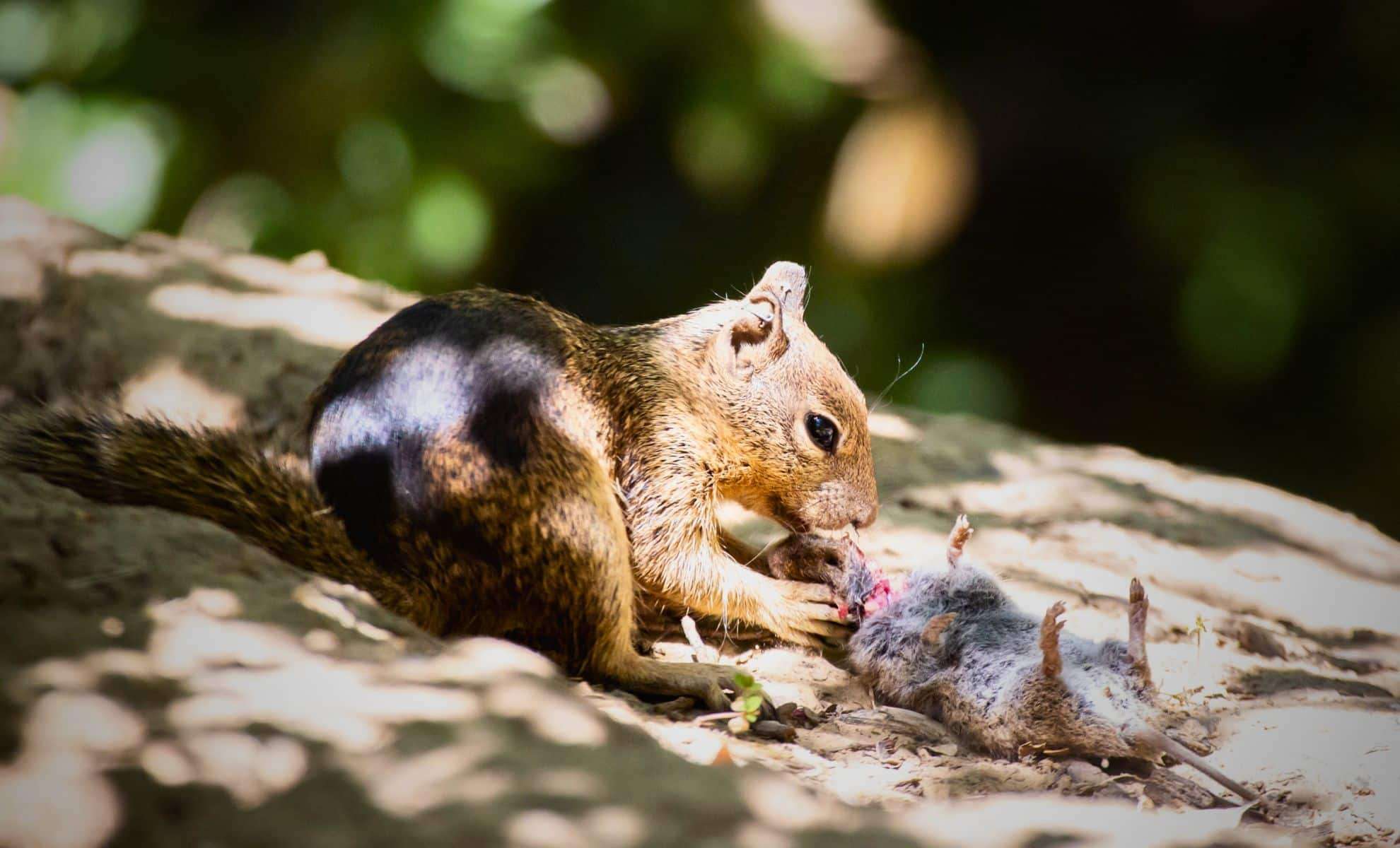
Recent research has revealed unexpected carnivorous tendencies in California ground squirrels, overturning the belief that these animals are strictly seed eaters. A collaborative study by the University of Wisconsin-Eau Claire and University of California, Davis documented these squirrels actively preying on voles. Published in the Journal of Ethology, this study presents the first confirmed cases of hunting behavior in this species.
Reevaluating Squirrel Eating Habits
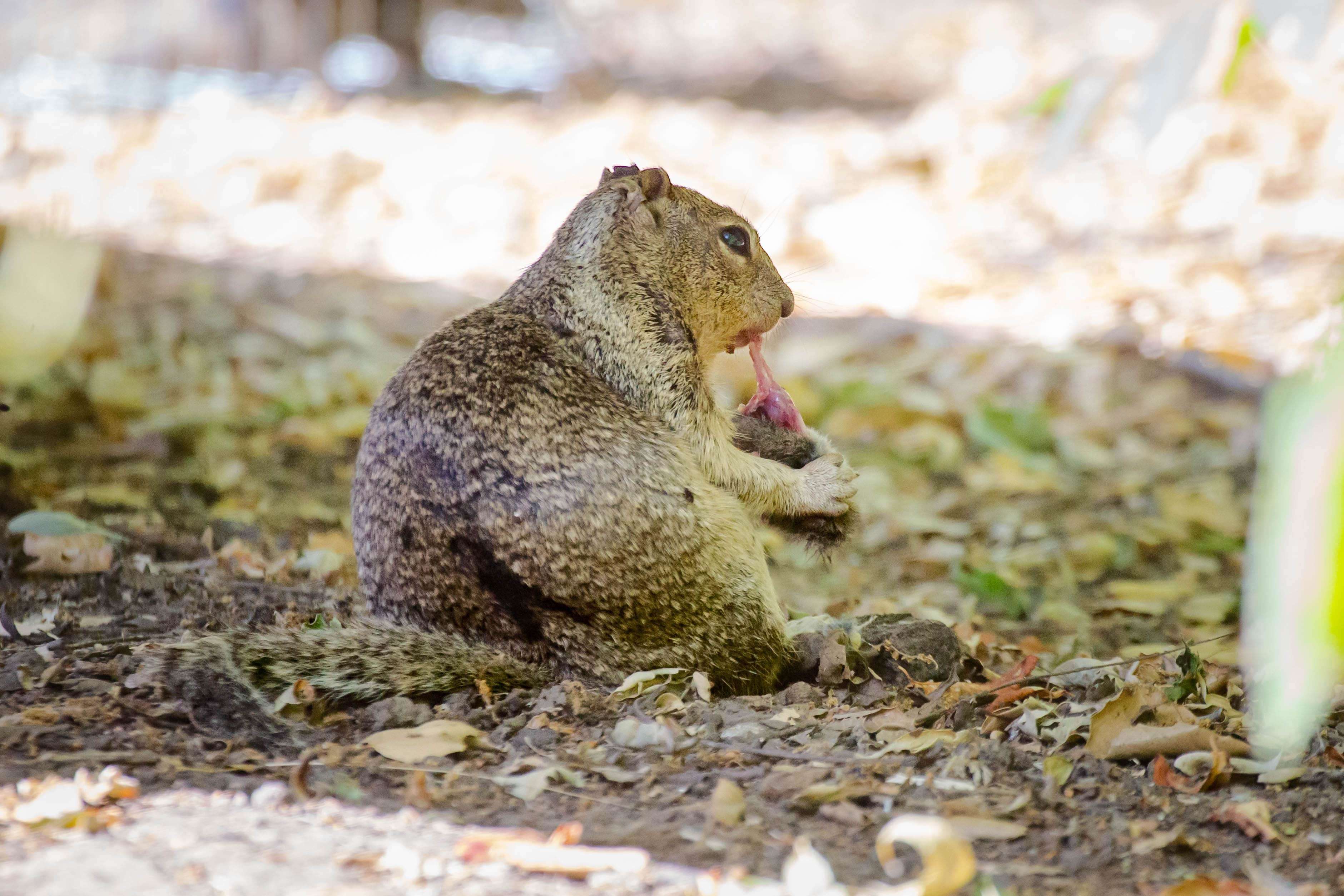
The team observed these behaviors during the Long-term Behavioral Ecology of California Ground Squirrels Project, a 12-year investigation based in Briones Regional Park, located in Contra Costa County, California. Over the period from June 10 to July 30, 2024, researchers recorded 74 interactions between squirrels and voles, with nearly 42% demonstrating active hunting by the squirrels.
Lead researcher Jennifer E. Smith, a biology professor at UW-Eau Claire, expressed amazement at these results. “This was shocking,” she noted. “Although squirrels are common and well-known, discovering this behavior shows just how much remains unknown about the animal world around us.”

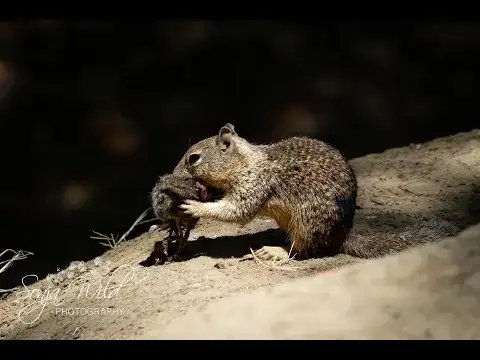
Video footage, supporting these observations, captured squirrels stealthily pursuing and effectively catching voles. UC Davis postdoctoral researcher Sonja Wild shared her initial skepticism when students first described the behavior, which was later validated with video evidence. “Once we started paying attention, we spotted it almost daily. It was everywhere,” Wild remarked.
Timing and Ecological Drivers of Hunting
The research revealed that squirrel hunting behavior peaked in early to mid-July 2024, coinciding with a surge in vole numbers reported by iNaturalist contributors. This indicates that the squirrels’ carnivorous activity is closely tied to prey population levels.
Key information from the study is presented in the table below:
This documented predatory behavior highlights the adaptive versatility of California ground squirrels, potentially aiding their survival amid environmental changes brought on by human influence.
Significance of Behavioral Adaptations
Adding to evidence of mammalian adaptability in shifting environments, California ground squirrels now rank among species known for flexible feeding strategies. “Their ability to adjust based on food availability could be key to thriving in habitats altered by humans,” Wild explained.
Smith compared this opportunistic feeding to that seen in animals like raccoons, coyotes, and spotted hyenas. The team clarified that during the study, squirrels were observed hunting only voles, with no evidence of predation on other mammals.
Open Questions and Future Directions
Despite these novel findings, many questions linger, including:
- The range over which this hunting behavior occurs among California ground squirrels
- Whether this predatory habit is socially learned and transmitted across generations
- Ecological impacts such as effects on vole populations and squirrel reproductive success
The investigators will revisit Briones Regional Park next summer to evaluate how vole hunting influences squirrel reproduction and to better understand the underlying behavioral drivers of this diet shift.
Research Collaboration and Support
The project brought together faculty, graduate students, and undergraduates. Among the contributors were Joey Ingbretson, Mackenzie Miner, Ella Oestreicher, Mari Podas, Tia Ravara, Lupin Teles, and Jada Wahl from UW-Eau Claire and Lucy Todd from UC Davis.
Funding was provided by the Ronald E. McNair Postbaccalaureate Achievement Program, Diversity Mentoring Program, Summer Research Experience for Undergraduates, and the Swiss National Science Foundation.
These insights challenge prevailing perceptions of California ground squirrels, presenting them as dynamic and adaptable contributors to their ecosystems, deepening our understanding of these familiar yet complex creatures.















0 comments
Sign in to Comment