
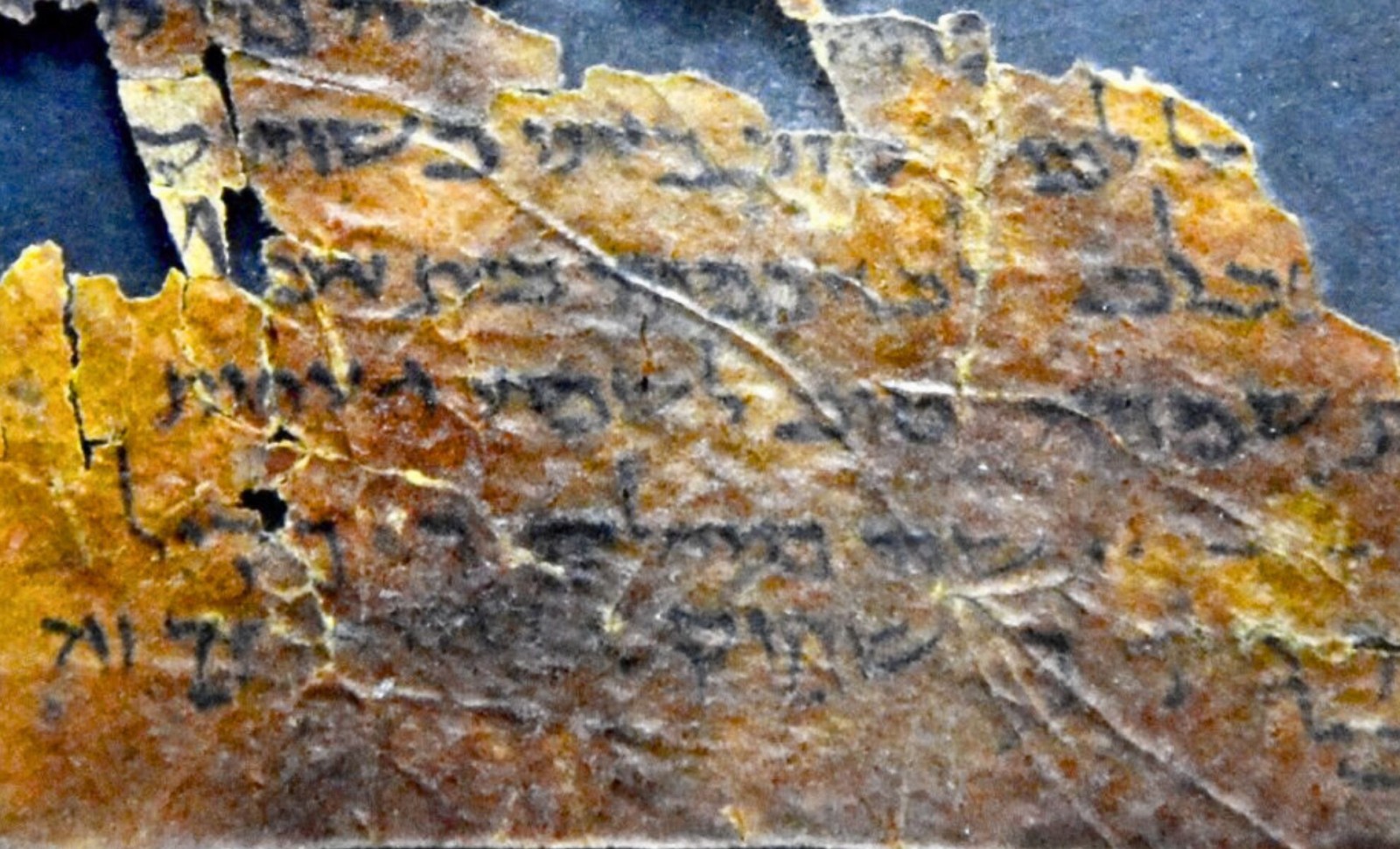
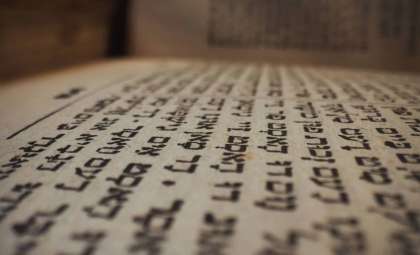
For more than seventy years, scholars struggled to decode a mysterious script hidden within the Dead Sea Scrolls. This enigmatic cipher, known as Cryptic B, baffled experts across disciplines—biblical studies, linguistics, and archaeology alike.
Recently, Emmanuel Oliveiro from the University of Groningen achieved a milestone. His breakthrough, detailed in Dead Sea Discoveries, finally unveiled the meaning behind two scroll fragments, 4Q362 and 4Q363. Contrary to prior speculations, the code encapsulates standard religious language from Second Temple Judaism rather than hidden doctrines or forbidden texts.
This finding prompts fresh inquiries into how the Qumran community perceived authority and knowledge, given their choice to encrypt otherwise conventional material.

Solving the Mystery of Cryptic B
The Dead Sea Scrolls, uncovered from caves near Qumran between 1947 and 1956, include some of the earliest known biblical manuscripts in Hebrew, Aramaic, and occasional Greek. Among these texts were two peculiar coded scripts termed Cryptic A and Cryptic B.
While Cryptic A was deciphered shortly after discovery, Cryptic B remained elusive due to irregular symbols, uneven handwriting styles, and the scarcity of usable material. The two fragments known to contain solely Cryptic B, 4Q362 and 4Q363, survive as small, damaged pieces—some only millimeters across.

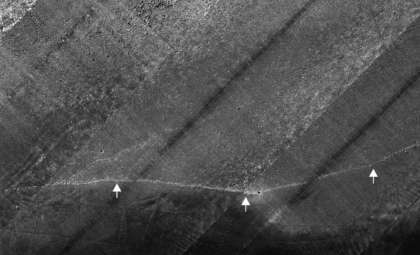
Even leveraging infrared imaging technology, the inscriptions were tricky to interpret. The shapes of characters varied greatly not just between fragments but occasionally within a single line. Scroll 4Q362 featured very small lettering, while 4Q363 displayed the same symbols in a much larger and bolder form. Some signs resembled Paleo-Hebrew or Greek alphabets, others bore slight modifications of standard Jewish scripts, confounding attempts at straightforward decoding for decades.
Oliveiro tackled the challenge by applying monoalphabetic substitution principles, assigning each unique symbol to a Hebrew letter. Eschewing AI or exhaustive computational analysis, he concentrated on identifying recurring character groups that he then matched to frequently occurring words in the Hebrew Bible and Qumran literature.
Crucially, a common five-symbol sequence caught his expert eye. He hypothesized this pattern corresponded to the word “Israel.” This key enabled him to decipher the rest of the alphabet systematically.
Familiar Religious Texts Embedded in Code
The content revealed through the decipherment aligns with known biblical language. Names like Israel, Judah, and Jacob’s tents, along with chronological references such as “the second year, the fifth month,” echo typical scriptural expressions.
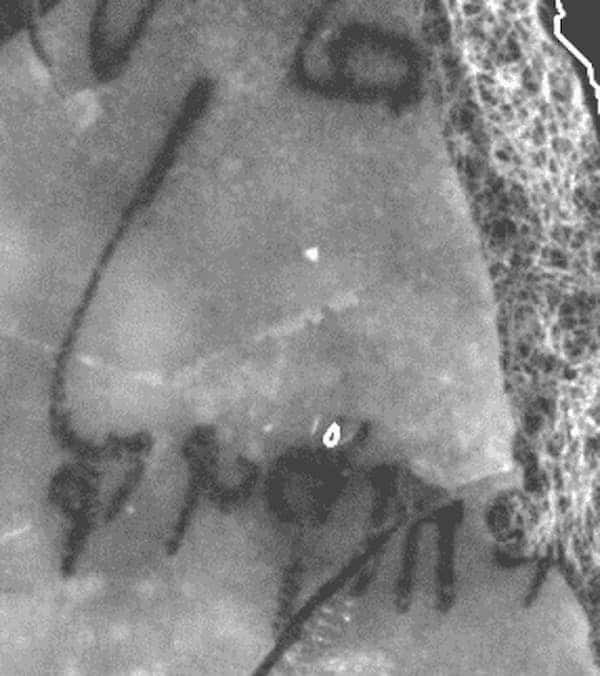
Among the discovered passages is a mention of stone cairns near a tomb, which might serve as a burial marker or a symbolic guidepost, though its precise meaning remains ambiguous. Another fragment contains a phrase that could be interpreted as “they rejected her villages” or “they rejected her daughters,” pointing to a formulaic or narrative element. However, due to fragmentary conditions, comprehensive interpretation is not yet possible.
Several personal names also surface, including Benayahu, a prominent figure in ancient Hebrew texts.
Importantly, the decoded writings lack any indication of unorthodox teachings or secret sectarian messages, reaffirming the Qumran sect’s connection to conventional scriptural traditions, despite presenting the material in a concealed manner.
The Reasons Behind Encoding Familiar Scriptures
Given that these texts convey no radical ideas, a compelling question arises: why encrypt such ordinary religious content?
One plausible explanation involves ritual symbolism. Encryption might have been a method to designate these writings as accessible only to an inner elite, such as priests or specialist scribes, thus enhancing their spiritual significance without altering the actual words.
Alternatively, these encoded texts could have served as scribal training exercises or as acts of visual reverence, transforming common phrases into sacred objects through deliberate graphical complexity.
Oliveiro contends that the real complexity behind Cryptic B resides less in the encryption technique—fairly straightforward substitution—and more in the intentional distortion of character shapes, which effectively deceived attempts at decipherment for decades.
- Categories:
- News









0 comments
Sign in to Comment