
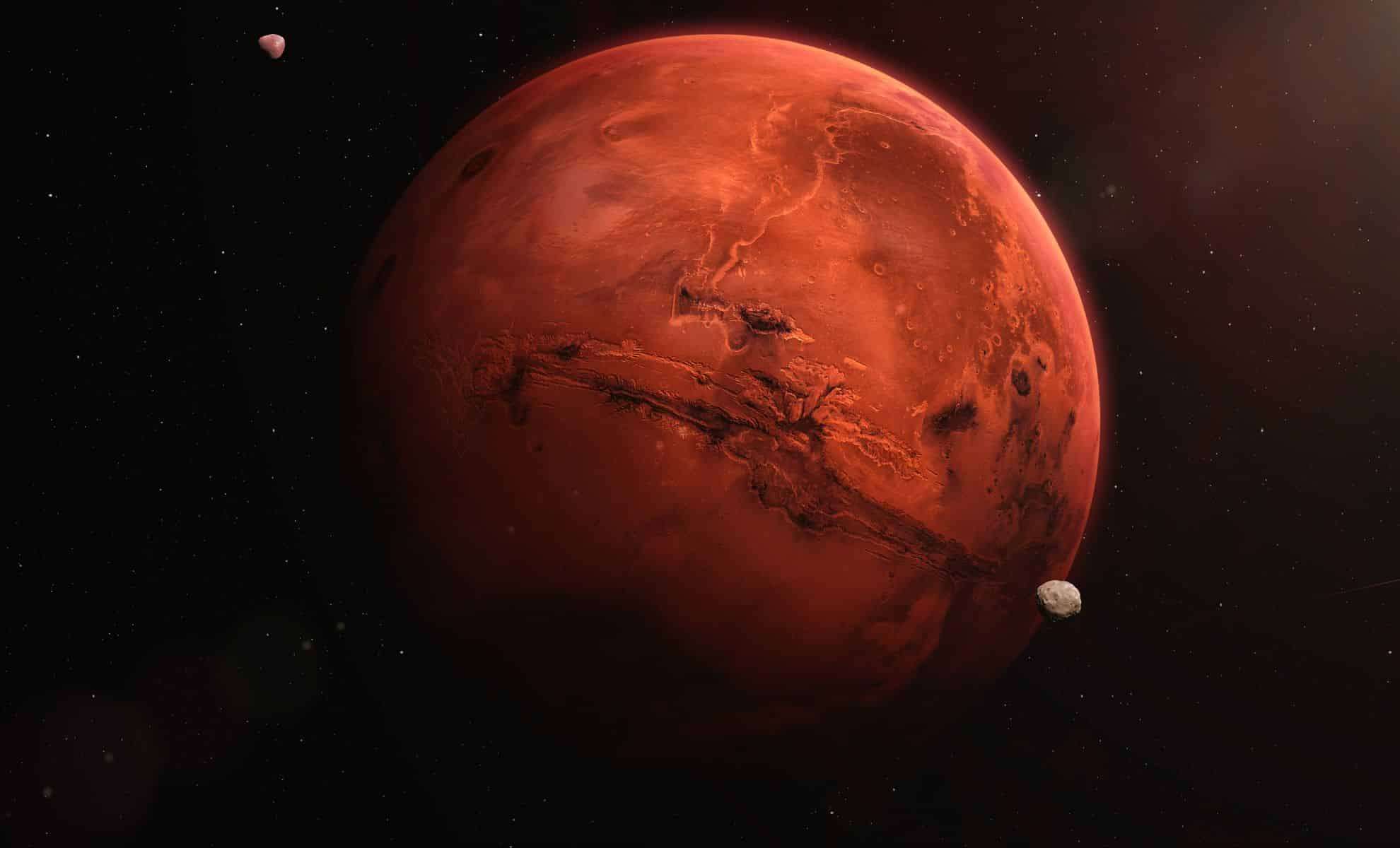
The Red Planet, Mars, has long fascinated researchers with its striking geological disparity between its northern and southern hemispheres, often referred to as the Martian dichotomy. The southern highlands rise dramatically, reaching elevations five to six kilometers above the expansive, smoother northern plains—a feature that remains one of the most remarkable in the Solar System. Since this contrast was first observed in the 1970s, debates have raged over whether this duality was caused by external impacts or internal planetary dynamics.
A recent pioneering study featured in Geophysical Research Letters offers compelling evidence unveiling the roots of this phenomenon. Employing seismic data collected by NASA’s InSight lander, the team analyzed marsquakes and determined that the forces responsible originate deep inside Mars itself. These discoveries expand our knowledge of the planet's geologic development and provide vital clues about planetary formation and tectonics.
Understanding the Martian Dichotomy
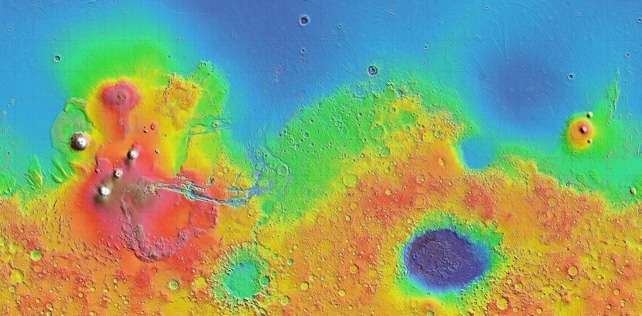
The Martian dichotomy describes the pronounced differences across Mars’ hemispheres. The southern hemisphere is dominated by ancient, rugged terrain riddled with craters and remnants of frozen lava, preserving signs of the planet’s historic magnetic field. In contrast, the northern hemisphere features smoother, younger surfaces with fewer craters and a generally flatter landscape.

Researchers have long been intrigued by the age gap between these regions. As explained by the scientists, “The southern hemisphere’s surface is older, evidenced by its higher crater density,” since older areas naturally collect more impacts over time. This suggests the southern crust formed early in Mars’ timeline, while the northern plains underwent significant resurfacing later on.
Exploring Competing Theories: Interior Forces vs. Impact Events
For decades, two primary explanations vied to clarify Mars’ hemispherical contrast:
- Internal Origin Theory: This idea attributes the dichotomy to processes within Mars, like mantle convection or crustal shifts. The movement of heat through the planet’s mantle could have molded the crust differently in each hemisphere.
- External Impact Hypothesis: Proponents argue that a colossal collision with a moon-sized asteroid or several significant impacts transformed the northern surface, leaving the southern highlands mostly unaffected.
Recent findings lend considerable weight to the internal origin theory, indicating that Mars’ interior dynamics chiefly sculpted its surface. By scrutinizing marsquake data, scientists uncovered temperature contrasts beneath the two hemispheres, aligning with mantle convection patterns.
Insights from Marsquakes via the InSight Mission
The breakthrough came from analyzing seismic waves generated by marsquakes. While Earth benefits from an extensive seismometer network, Mars’ seismic activity has been measured by a single device aboard the InSight lander. Nevertheless, researchers successfully located quakes by studying the timing of P waves and S waves, which move through the planet’s interior at different speeds.
Seismic events clustered notably in the Terra Cimmeria region within the southern highlands. Comparing wave behaviors between these and northern quakes revealed that seismic energy dissipates more quickly in the south, signaling hotter subsurface rocks there. Such thermal anomalies support convection models where heat ascends under the highlands and descends beneath the northern lowlands, driving the dichotomy.
Mechanisms Behind Mars’ Unique Landscape
According to the study, the Martian dichotomy likely emerged early in the planet’s history when its crust was thinner and its interior more active. Researchers propose Mars may have experienced tectonic plate activity, akin to Earth’s, enabling molten material to circulate beneath the surface. Over time, these tectonic motions ceased, creating a “stagnant lid” that preserved the hemispheric disparity visible today.
Key conclusions highlight:
- Thermal Differences: Elevated temperatures beneath the southern highlands indicate upward heat flow.
- Crustal Thickness Variations: The southern crust is substantially thicker compared to the north.
- Magnetization Patterns: The magnetic signatures found in southern rocks imply formation during a period when Mars’ core was still dynamic.
Broader Impact on Planetary Science
This breakthrough reshapes our grasp of Mars’ geologic past and planetary evolution as a whole. The Martian dichotomy offers valuable insight into the planet’s early tectonic phases and the transition from geologically active to dormant states. It also underscores the importance of internal planetary processes, questioning earlier views that external impacts were the primary shapers of planetary surfaces.
Future investigations will aim to collect additional marsquake data and enhance internal structure models. Comparing Mars’ tectonic history with Earth and other worlds may reveal fundamental principles underlying the evolution of rocky planets.
- Categories:
- News










0 comments
Sign in to Comment